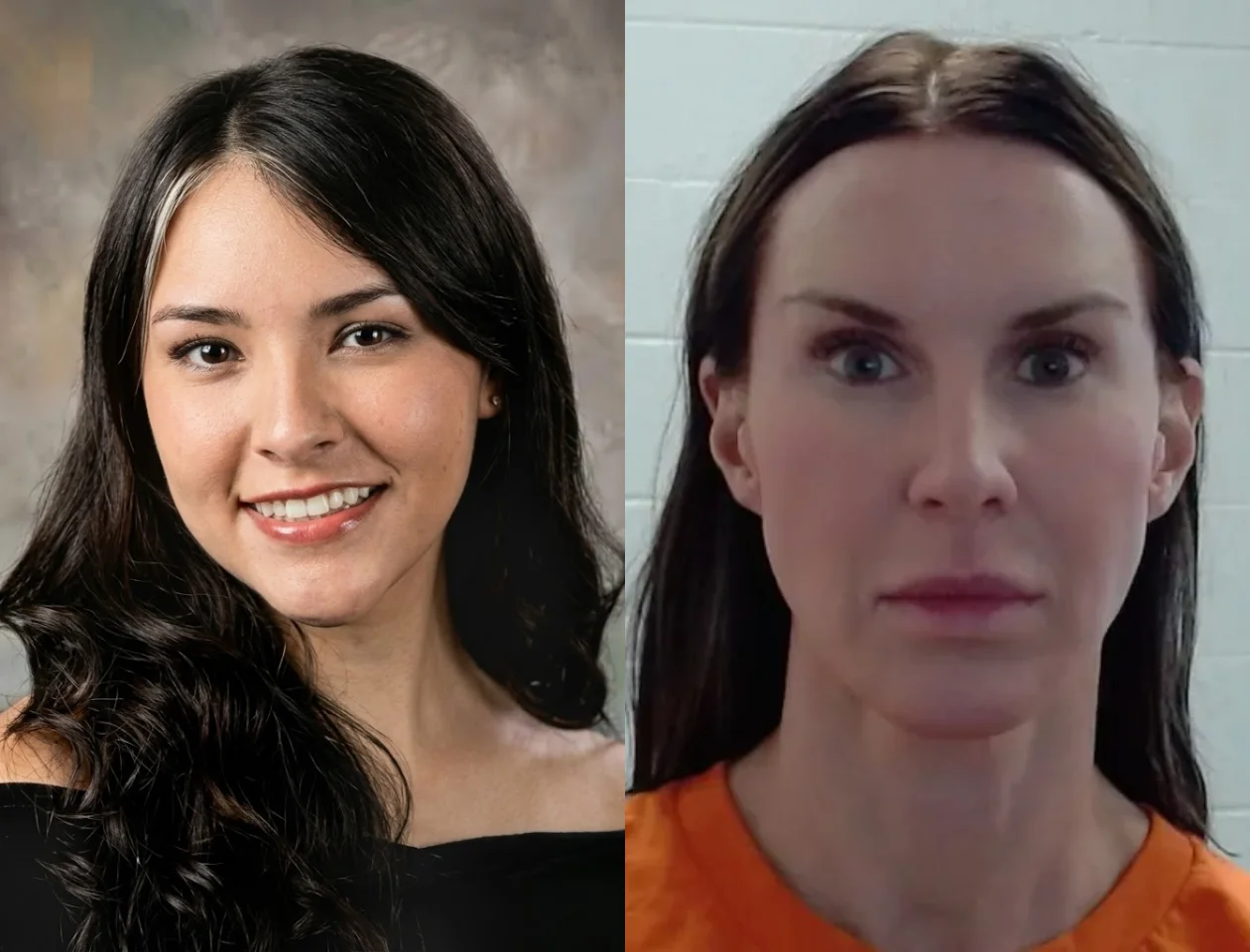
- Sara Polston served just 73 days of an 8-year sentence for a DUI crash that severely injured Micaela Borrego.
- The grand jury report criticized political favoritism, noting Polston's connections to influential figures in Oklahoma.
- Borrego spent nearly as long in a coma as Polston served in prison before being released to GPS monitoring.
OKLAHOMA CITY, OKLAHOMA — A grand jury report has raised new questions over how a wealthy Oklahoma woman convicted in a devastating DUI crash served just 73 days of an 8-year prison sentence before being released to GPS monitoring. The controversy comes as Oklahoma has seen other high-profile criminal cases, including one where a new mom was stabbed to death during an Oklahoma City 7-Eleven robbery.
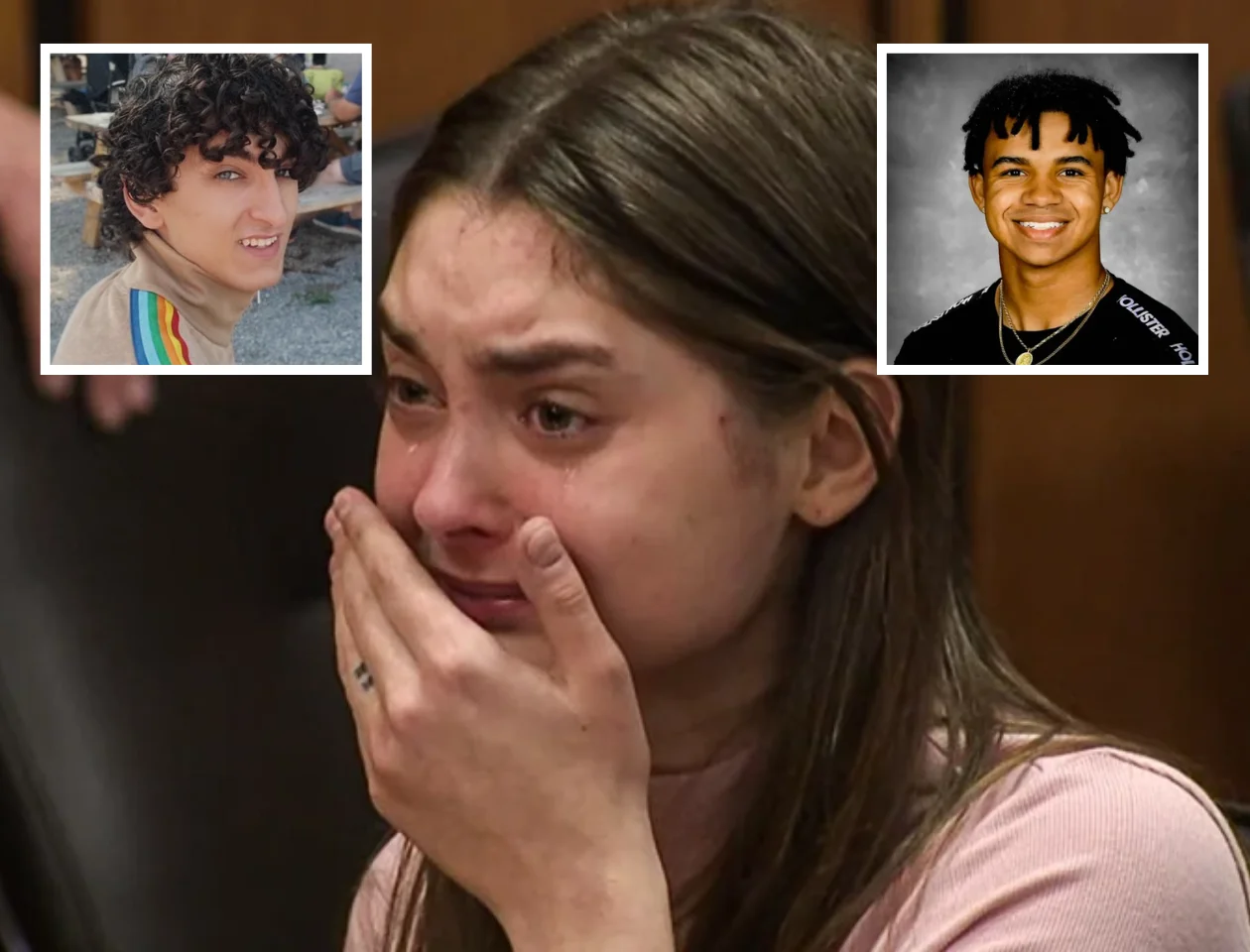
Sara Polston, 43, pleaded guilty after a 2023 drunken crash that severely injured 20-year-old Micaela Borrego. Borrego was left in a coma for about 2 months and had to relearn how to walk and speak after the wreck.
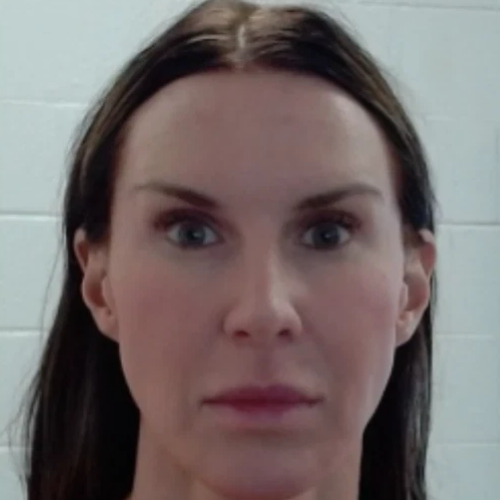
Polston was sentenced to 8 years in prison, but a grand jury report later found she served only 73 days in Department of Corrections custody before being released under supervision.
DUI Crash Left Young Woman Severely Injured
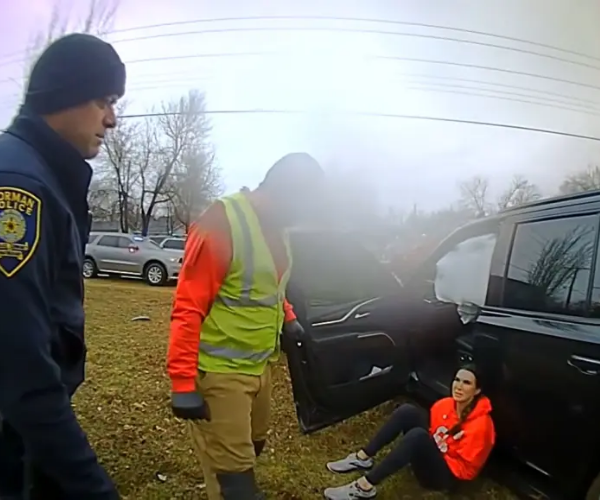
According to the report, Polston was driving under the influence when she crashed into Borrego’s vehicle in Norman, Oklahoma.
Investigators said Polston had been speeding through a residential area and ran multiple stop signs before the collision. Borrego’s car was thrown off the road and into a house.
Borrego suffered catastrophic injuries, including brain trauma, fractures, bleeding around the brain, spinal injuries, and other long-term damage. The grand jury report said her injuries would require permanent care.

Grand Jury Alleges Favoritism
The grand jury report did not accuse Gov. Kevin Stitt or the Department of Corrections of criminal wrongdoing, but it sharply criticized what it described as political favoritism in Polston’s case.
The report said Polston’s husband, Rod Polston, had political connections, including ties to Gov. Stitt and former Cleveland County Sheriff Chris Amason.
According to reporting on the grand jury findings, recorded jail and prison calls captured discussions between Sara and Rod Polston about efforts to move her through the system and eventually get her out on GPS monitoring.
The report also said Gov. Stitt’s office made multiple calls to the Department of Corrections about the case.
Claims of Preferential Treatment Behind Bars
The grand jury report alleged Polston received unusual treatment during her short time in custody.
Reports said she was moved quickly through the system, allowed certain cell changes, and given access to privileges outside normal procedures. The report also referenced claims that her husband was able to coordinate visits and bring her food.
Former Sheriff Chris Amason was also mentioned in connection with alleged favors while Polston was in custody. Amason has since resigned after pleading no contest in an unrelated campaign funds case.
Governor Denies Wrongdoing
Gov. Stitt denied giving Polston any special favors.
In a statement, he said drunk driving does not belong in Oklahoma and that his heart breaks for the victim. He also said no governor can unilaterally end someone’s prison sentence.
Stitt argued that, under the law at the time, the Department of Corrections could transfer someone convicted of DUI to ankle monitoring, and that the same process applied in similar cases.
The grand jury report still called the situation indefensible and recommended reforms, including requiring inmates to serve a minimum percentage of their sentences before release and ensuring victims are notified before offenders are moved to GPS monitoring.
Victim’s Family Was Not Notified
One of the key concerns raised in the report was that Borrego and her family were not notified before Polston was released.
The report said the victim spent nearly as long in a coma as Polston spent in prison.
Although no criminal charges were recommended in connection with the alleged favoritism, the case has drawn outrage because of the contrast between Borrego’s lifelong injuries and Polston’s short time behind bars.
To watch more cases about political favoritism in criminal cases, check out our video here: