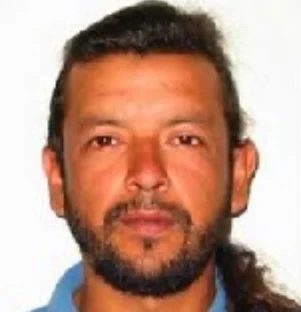
1972 - 2012
Summary
Name:
Óscar Segundo López RodríguezNickname:
The Monster of Lolol / El Monstruo de Lolol / El HippieYears Active:
2012Birth:
November 01, 1972Status:
DeceasedClass:
MurdererVictims:
2Method:
Stabbing / BeheadingDeath:
July 12, 2012Nationality:
Chile1972 - 2012
Summary: Murderer
Name:
Óscar Segundo López RodríguezNickname:
The Monster of Lolol / El Monstruo de Lolol / El HippieStatus:
DeceasedVictims:
2Method:
Stabbing / BeheadingNationality:
ChileBirth:
November 01, 1972Death:
July 12, 2012Years Active:
2012Óscar Segundo López Rodríguez was born on November 1, 1972, in Lolol, Colchagua Province, O’Higgins Region, Chile. His parents were Óscar del Carmen López Araya and Osvaldina de las Rosas Rodríguez Espinosa. He spent much of his life in and around Lolol and nearby rural areas.
López was known locally as “El Hippie” because of his long hair, beard, and intentionally unkempt appearance. Neighbors described him as a lonely and sometimes violent man. Some reports stated that he claimed to be a “messenger of God,” and later analysis suggested that he had psychotic symptoms and mystical delusions.
He developed an interest in collecting and selling antiques. Around 1997, he began collecting items such as phonographs, lamps, cart wheels, and iron gates. He later moved through several rural areas, including Los Boldos, Los Robles, and Las Palmas. At one point, he joined an ecological community but was later expelled.
After the February 2010 earthquake in Chile, López moved into an old adobe house across from the Lolol firefighters’ station. He opened an antique shop in the front part of the house. In April 2012, a local rural newspaper described him as a modest man who worked in the countryside and repaired antiques for sale.
López married Sandra Andrea Poblete Gaete on August 31, 1992, in Santa Cruz. The couple had one son and later divorced on April 6, 2011. By 2012, López was living alone and running his antique shop in Lolol.
The first known murder happened on July 10, 2012. Juan René Duarte Becerra went to López’s antique shop in Lolol. Some reports stated that Duarte was interested in buying an iron bar, while another account said he was looking at an old small table. Several people saw Duarte speaking with López that afternoon.
According to police accounts, López stabbed Duarte in the back and then beheaded him. Investigators believed Duarte tried hard to defend himself. López placed Duarte’s head in a chest that was being kept for sale inside the antique shop. He buried the rest of Duarte’s body under rocks in the backyard. On July 11, 2012, Duarte’s family reported him missing to police in Lolol.
The second murder happened on July 12, 2012. María José Reyes Moore was traveling with two of her children when she stopped in Lolol. She entered López’s antique shop with her 15-year-old daughter, while her 19-year-old son stayed in the car. Within minutes, López attacked Reyes without a clear known motive.
López grabbed Reyes by the hair and stabbed her. Her daughter ran outside to alert her brother. When the children returned, they saw López taking their badly injured mother toward a tree trunk in the backyard. He then decapitated her with an axe. The children escaped and ran for help, shouting that their mother was being killed.
A police sergeant, Felipe González, responded to the scene. By then, López had taken Reyes’s severed head and was showing it to people outside. González ordered him to stop and fired warning shots into the air. López did not obey. He then rushed toward the officer with the bloody axe. González fired his service weapon and killed him.
After López was killed, police and forensic teams searched his home and shop. They discovered the remains of Juan René Duarte Becerra, confirming that Reyes was not his only victim. Investigators also searched wells and former residences connected to López because there was concern that there might be more victims. No additional human remains were found.
There was later suspicion that López may have been connected to the disappearance of Manuel Fuenzalida Piña, a man from Pumanque who had vanished in March 2012 and had reportedly been seen talking with López. Police searched for evidence but did not find remains or proof tying López to that disappearance. This suspected case should not be counted as a confirmed murder.
The murders deeply affected Lolol, a small town known for its colonial architecture and protected status as a “Zona Típica” national heritage area. Local residents described the town as shocked and fearful after the killings. The mayor said the case would mark a clear before-and-after point in Lolol’s history.
Following the case, prosecutors requested a psychological autopsy of López. The analysis, based on interviews and available evidence, concluded that he showed signs of transient psychosis, mystical delusions, and bizarre behavior. Because López was killed at the scene, he was never arrested, tried, or convicted. The case legally ended with the deaths of the two victims and López himself.
