
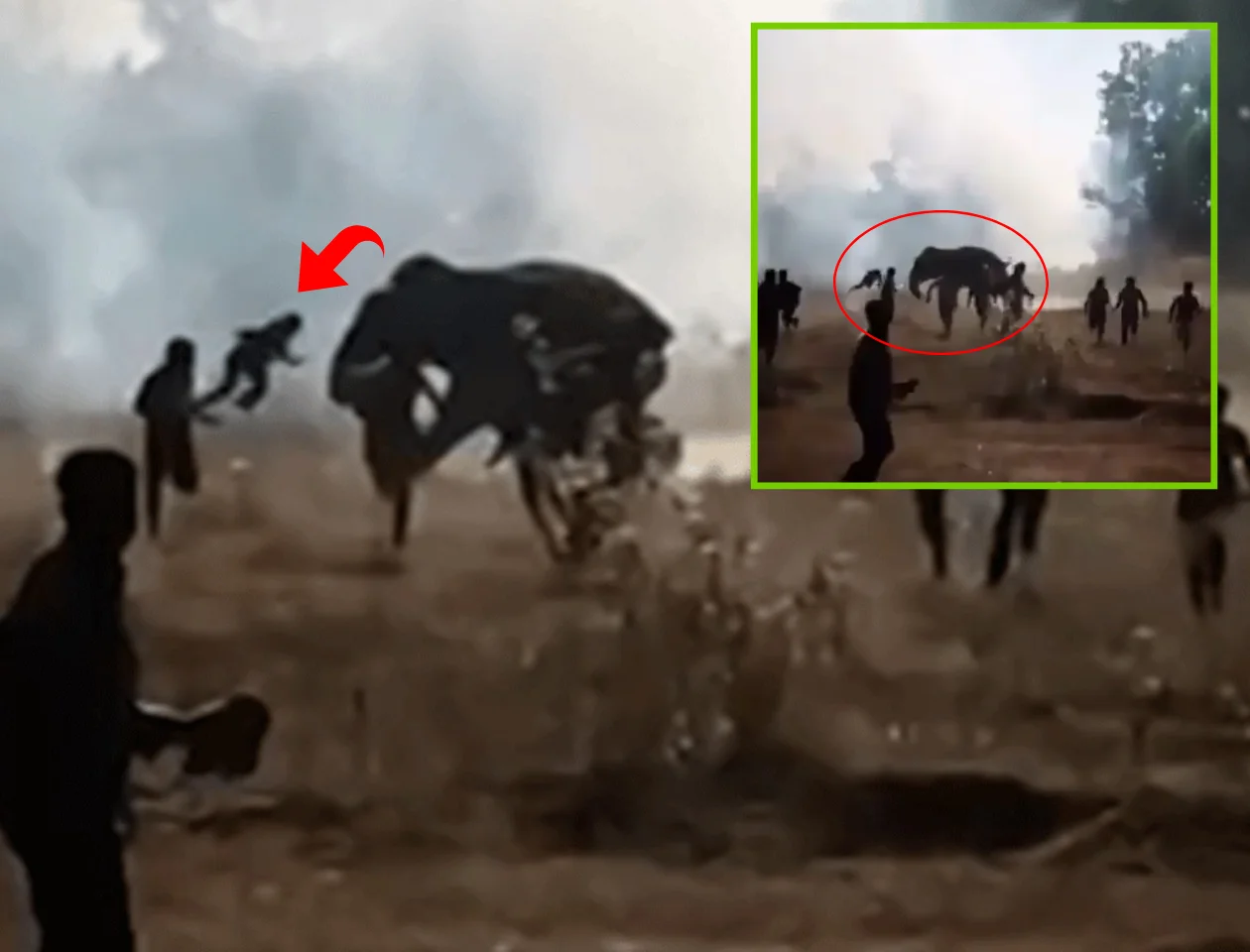
- A single-tusked bull elephant has been linked to at least 22 deaths and 15 injuries across eastern India in early January.
- Attacks began January 1 in West Singhbhum and included nighttime rampages breaking through mud-home walls in multiple Noamundi-area villages.
- Authorities deployed tracking teams, drones and wildlife specialists but multiple tranquilizer attempts failed due to the elephant’s speed and unpredictable movements.
- Officials warn the death toll could rise and urge residents to avoid forest routes and stay vigilant, especially after dark.
JHARKHAND, INDIA — A single-tusked bull elephant has been linked to a deadly string of attacks across eastern India, with at least 22 people reported killed and 15 injured over roughly 10 days in early January. The animal has not been captured, and search efforts remain active as officials warn residents to stay alert, especially after dark.
Ten-day Timeline of Attacks
The violence began on New Year’s Day in the West Singhbhum region, when the elephant was first reported to have killed a man in Bandijhari village. After that, a series of nighttime incidents were reported across nearby villages along forest edges, with families among the victims.
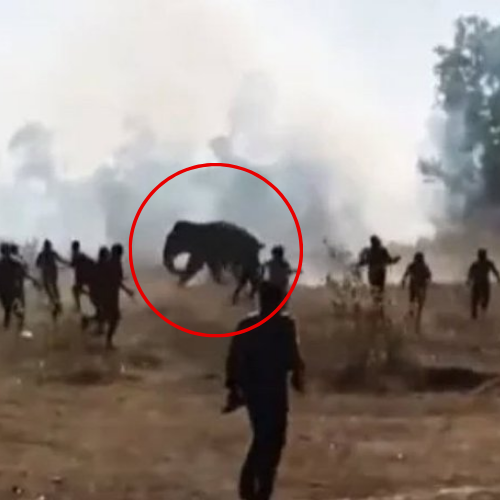
In one of the worst nights of the rampage, the elephant was reported to have moved into the Noamundi area, where multiple deaths were reported across nearby villages. Accounts from the affected communities describe the elephant breaking through walls of mud homes and attacking people inside.
Fear Spreads Through Villages
As the attacks continued, many residents changed daily routines and nighttime habits. In several villages, people stopped going out after sunset. Some gathered in groups, set up informal watch shifts, or slept in higher places such as rooftops or raised platforms to reduce risk during overnight hours.
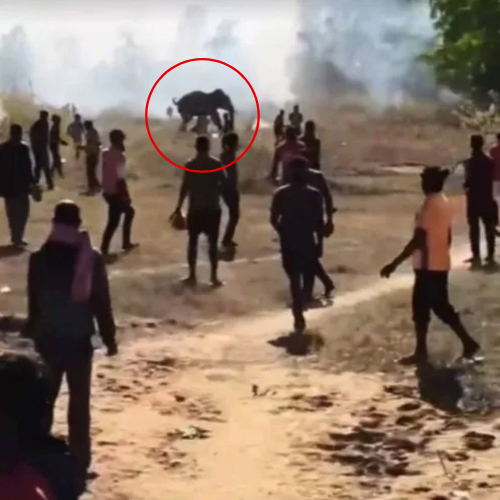
Local officials have also urged residents to avoid forest routes and to remain vigilant while the animal’s location remains uncertain.
Search Operation Continues
Officials have deployed search and tracking teams across dense forest areas, with some operations supported by drones and specialized wildlife personnel. Multiple attempts to tranquilize the elephant have been reported as unsuccessful, in part due to the animal’s speed, unpredictable movement patterns, and the risks posed when crowds gather near search activity.
The elephant is believed to travel long distances—often moving primarily at night—making it difficult for teams to predict its route and safely position tranquilizer units.
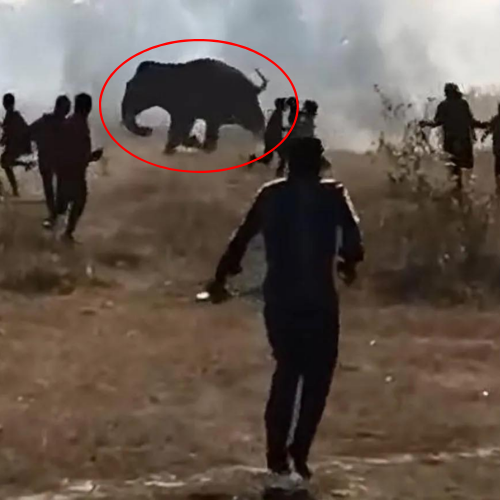
Officials Warn the Toll Could Rise
The current reported death toll stands at 22 as of January 20, 2026. Authorities have cautioned that the number could rise if additional victims are discovered or if further attacks occur while search and containment efforts continue.
For more stories on wildlife attacks and emergency response, check out our video here:




.jpg)