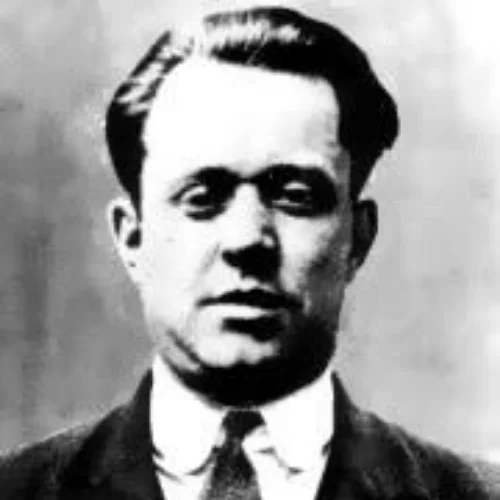
d: 1930
Summary
Name:
William Henry PodmoreNickname:
William F. ThomasYears Active:
1929Status:
ExecutedClass:
MurdererVictims:
1Method:
BludgeoningDeath:
April 22, 1930Nationality:
United Kingdomd: 1930
Summary: Murderer
Name:
William Henry PodmoreNickname:
William F. ThomasStatus:
ExecutedVictims:
1Method:
BludgeoningNationality:
United KingdomDeath:
April 22, 1930Years Active:
1929William Henry Podmore was born in 1899. By the time he reached adulthood, he was working as a motor mechanic. He had a reputation as a petty thief, which brought him into conflict with the law.
He found himself in trouble for committing fraud. This led to his becoming known to the police. He used the alias "William F. Thomas" during his life to hide from his past.
By 1929, Podmore's life was marked by his struggles and illegal activities. His work in the oil industry began when he became an assistant to Vivian Messiter, who was an agent for the Wolf's Head Oil Company. Life seemed to take a darker turn for Podmore as he got involved in a web of deceit, which eventually led to more serious legal issues.
On January 10, 1929, the decomposing body of Vivian Messiter was found behind boxes in a garage in Southampton. Messiter was an agent for the Wolf's Head Oil Company. He had been missing for nine weeks before his body was discovered. Initially, the police did not investigate the garage thoroughly because it was locked.
After the garage was opened, a preliminary examination of Messiter's body showed a puncture over his left eye. This led the police to initially think he had been shot. However, a further examination by Sir Bernard Spilsbury revealed the real cause of death was severe blunt force trauma to the skull, with multiple fractures. There was also a lot of blood splatter at the crime scene, indicating that the murder occurred there.
A bloodstained hammer was found near the body. Forensic tests showed that it had hair consistent with Messiter's eyebrow hair. This led to the conclusion that the hammer was the murder weapon. Among the papers in the garage was a reply to a job advertisement signed "William F. Thomas." This advertisement helped police trace Podmore. They learned he had previously worked for a contractor and was wanted for a fraud charge in Manchester.
When detectives searched the lodgings of "Mr. Thomas," they found clues that revealed his true identity as William Henry Podmore. He was soon arrested in London. Because the police did not yet have enough evidence for a murder charge, Podmore was convicted of fraud and sentenced to six months in prison.
While he was in prison, investigators found a receipt book that showed Podmore had been collecting commissions on fake oil sales. He had been submitting false reports to Messiter. The police believed Messiter confronted Podmore about the fraud, leading to a panic response from Podmore, who then murdered him with the hammer.
Fourteen months after the murder, police gathered enough evidence to charge Podmore with murder. His trial took place in March 1930 at Winchester Assizes. During the trial, it became clear that Messiter had been violently attacked, even after he was unconscious. Testimonies from fellow inmates, who claimed Podmore confessed to them, supported the case against him.
William Henry Podmore was convicted and sentenced to hang. He was executed at Winchester Prison on April 22, 1930.
