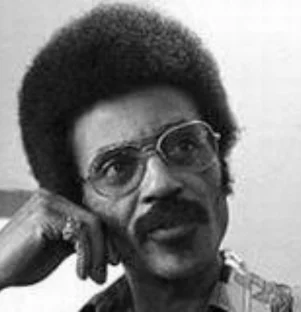
1934 - 2009
Summary
Name:
Warren Aloysious KimbroYears Active:
1969Birth:
April 29, 1934Status:
DeceasedClass:
MurdererVictims:
1Method:
ShootingDeath:
February 03, 2009Nationality:
USA1934 - 2009
Summary: Murderer
Name:
Warren Aloysious KimbroStatus:
DeceasedVictims:
1Method:
ShootingNationality:
USABirth:
April 29, 1934Death:
February 03, 2009Years Active:
1969Warren Aloysious Kimbro was born on April 29, 1934, in New Haven, Connecticut. He was one of eight children in a Roman Catholic family. His father worked at a steel plant, and his mother was active in local Republican politics as a ward chairwoman. Kimbro dropped out of high school and later served for five years in the United States Air Force during the Korean War era.
After military service, Kimbro returned to New Haven. During the 1960s, he became involved in local community work connected to anti-poverty and urban-renewal programs. He later became disillusioned with those programs and believed they did not give poor residents enough real power. That frustration helped lead him toward the Black Panther Party.
In 1969, Kimbro joined the Black Panther Party in New Haven. He was older than many local members and was already married with children. His home at 365 Orchard Street became an important location for the New Haven Panther chapter. At the time, the Panthers were under heavy police and FBI scrutiny, and fear of informants inside the organization created deep mistrust within the group.
In May 1969, Alex Rackley, a 19-year-old member of the New York Black Panther Party, was suspected by other Panthers of being an informant. He was taken to the New Haven Panther headquarters at 365 Orchard Street and held there for about two days. During that time, he was beaten, tortured, and interrogated while members tried to force him to admit he was working with law enforcement.
After the interrogation, Rackley was taken from New Haven to the marshlands of Middlefield, Connecticut. The people involved included Warren Kimbro, Lonnie McLucas, and George W. Sams Jr. Trial accounts established that Kimbro and McLucas shot Rackley after he was taken to the isolated area. Some sources state that Kimbro fired the first shot into Rackley’s head, while McLucas fired another shot into his body.
The killing became the center of the New Haven Black Panther trials. Bobby Seale, national chairman of the Black Panther Party, had been in New Haven around the time of Rackley’s captivity and had spoken at Yale University. George Sams later claimed that Seale had ordered the killing, but Kimbro did not corroborate that part of Sams’s testimony. Seale’s trial ended with a hung jury, and prosecutors chose not to retry him.
Kimbro pleaded guilty to second-degree murder and turned state’s evidence. In exchange for his cooperation, the charge was reduced from first-degree murder. He received the mandatory life sentence but served only about four to four and a half years because of his prison conduct and later parole decision.
After prison, Kimbro became widely known for his work with former inmates. He earned a master’s degree in education from Harvard University and later led Project MORE in New Haven, a nonprofit program that helped former prisoners with reentry, job training, drug treatment, and community support. He spent more than two decades in that work.
Warren Kimbro died on February 3, 2009, at Yale New Haven Hospital in Connecticut. He was 74 years old. Obituary reports described his life after prison as focused on rehabilitation and helping other people avoid the choices that led to his own crime.
