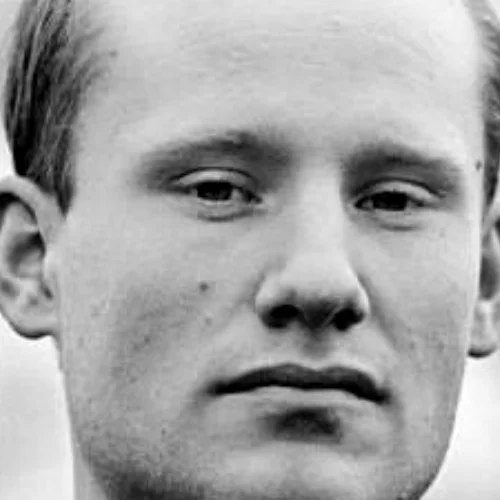
b: 1969
Summary
Name:
Volkert Van der GraafYears Active:
2002Birth:
July 09, 1969Status:
ReleasedClass:
MurdererVictims:
1Method:
ShootingNationality:
Netherlandsb: 1969
Summary: Murderer
Name:
Volkert Van der GraafStatus:
ReleasedVictims:
1Method:
ShootingNationality:
NetherlandsBirth:
July 09, 1969Years Active:
2002Date Convicted:
April 15, 2003“I wanted to stop him from targeting the weak parts of society to score points.”
— Volkert Van der Graaf
Volkert van der Graaf was born on July 9, 1969, in Middelburg, Netherlands. He grew up in a society that valued various political and social ideas. As a child, not much is known about his early experiences or family life. However, it is noted that he later became a person with strong convictions, especially related to animal welfare and environmental issues.
As he got older, Van der Graaf attended university in Wageningen. Here, he adopted a vegan lifestyle and became an enthusiastic supporter of animal rights. He was regarded as highly intelligent but also described as a perfectionist. He struggled with expressing emotions and was often intolerant of people who held different values.
In 1992, Van der Graaf co-founded an environmental organization called Vereniging Milieu Offensief in Wageningen. His role was focused on taking legal action against businesses that violated environmental laws. He particularly targeted intensive animal farming and the fur industry. His dedication to this work was evident as he often worked beyond his contractual obligations. He was known for winning about three out of every four legal cases he took on.
In 2001, Van der Graaf moved to Harderwijk with his girlfriend, and they welcomed their daughter into the world on December 6, 2001. After becoming a father, he began to show signs of stress. His work in activism and the responsibilities of family life seemed to weigh heavily on him.
Van der Graaf's background and experiences played a significant role in shaping his thoughts and actions later in life. He was often engaged in serious discussions about morals and societal values.
On May 6, 2002, Volkert van der Graaf shot and killed Dutch politician Pim Fortuyn outside a radio studio in Hilversum. The murder took place at around 6:00 p.m., just after Fortuyn had finished an interview. Witnesses included the radio host Ruud de Wild, who experienced severe psychological problems after the incident.
Van der Graaf was arrested near the scene of the crime shortly after fleeing. At the time, he was identified only as "Volkert van der G." due to Dutch privacy laws. However, his full name soon circulated online among Fortuyn's supporters, leading to fears for the safety of his family. Following the murder, his girlfriend and their daughter left their home to go into hiding.
Investigators found that van der Graaf had planned the attack using information from the Internet. They discovered maps and schedules of Fortuyn's appearances in his car. Missing cartridges from boxes in his home matched the number of rounds loaded into his gun. He had purchased a semi-automatic Star Firestar M-43 pistol and ammunition illegally before the murder.
On the day of the attack, van der Graaf packed a backpack with the gun, gloves, a baseball cap, and sunglasses. He took the morning off from work to carry out his plan. After reaching Hilversum, he found the Mediapark where Fortuyn was scheduled to appear. He hid in a bush near the building and waited for about two hours until Fortuyn emerged.
As Fortuyn walked with others, van der Graaf approached him, passed by, and then turned to fire at him from less than two meters away. He shot Fortuyn multiple times in the back and head. After the shooting, van der Graaf fled but was pursued by Fortuyn's chauffeur, along with other witnesses. He threatened them with the gun during the chase. Eventually, he surrendered at a nearby petrol station when police arrived.
In the months following the murder, van der Graaf initially refused to speak about the crime, citing his lawyers' advice. Multiple conspiracy theories emerged, suggesting that he was not acting alone. However, officials dismissed these claims, finding no evidence of any accomplices. After several months of legal proceedings, he admitted to the murder during his trial, stating that he viewed Fortuyn as a danger to vulnerable groups in society.
On April 15, 2003, van der Graaf was convicted of premeditated murder and sentenced to 18 years in prison. Both the prosecution and defense appealed the sentence. Ultimately, on July 18, 2003, the appeals court upheld the 18-year sentence, and Dutch law indicated he would serve at least two-thirds of that time. His earliest possible release was set for 2014.
