Summary
Name:
Tony ManciniNickname:
The Brighton Trunk MurdererYears Active:
1934Status:
DeceasedClass:
MurdererVictims:
1Method:
BludgeoningNationality:
United KingdomSummary: Murderer
Name:
Tony ManciniNickname:
The Brighton Trunk MurdererStatus:
DeceasedVictims:
1Method:
BludgeoningNationality:
United KingdomYears Active:
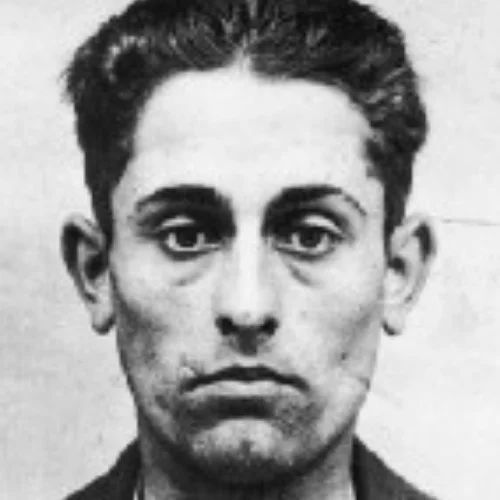
1934Tony Mancini was born in 1908. He lived in Brighton, East Sussex, England. He had a record that included theft and loitering. Mancini worked as a waiter and a bouncer at various places.
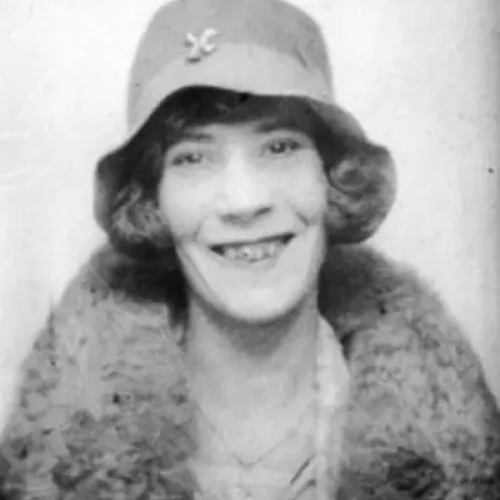
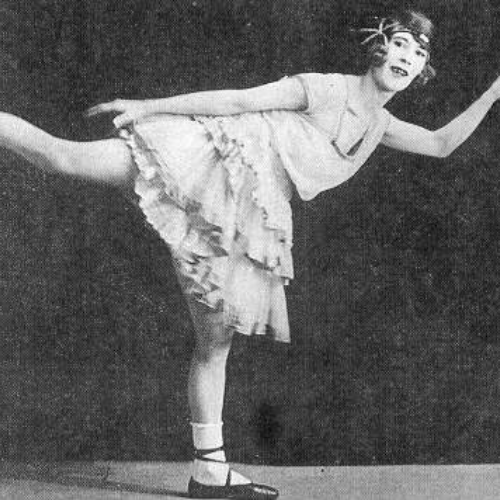
Mancini was known by many names, including Cecil Lois England and Hyman Gold. His life was marked by struggles and conflicts. At the time of the events that would make him infamous, he was in a relationship with a woman named Violette Kaye. Violette was a 42-year-old dancer and prostitute who had battles with addiction. Their relationship was described as tempestuous, filled with arguments and tension.
The couple had a fight at a café on the seafront where Mancini worked. This argument marked a turning point in their relationship. After this incident, Violette went missing. Mancini claimed she had gone to Paris and told friends she left. However, it soon became clear that something was wrong.
In May 1934, Violette disappeared, and although Mancini made attempts to cover up her absence, suspicions were raised. The police noticed her absence and began looking into Mancini's actions. Eventually, they discovered Violette's body hidden in a trunk at Mancini’s lodgings. After this discovery, Mancini was arrested and faced trial for her murder.
On May 10, 1934, Tony Mancini's girlfriend, Violette Kaye, was killed. Mancini and Kaye had a tumultuous relationship marked by arguments. After a heated argument at a café, Kaye was not seen again. Mancini claimed she had gone to Paris, and he even told friends that she left. He gave some of her belongings to others, including a telegram sent to her sister saying she had taken a job abroad.
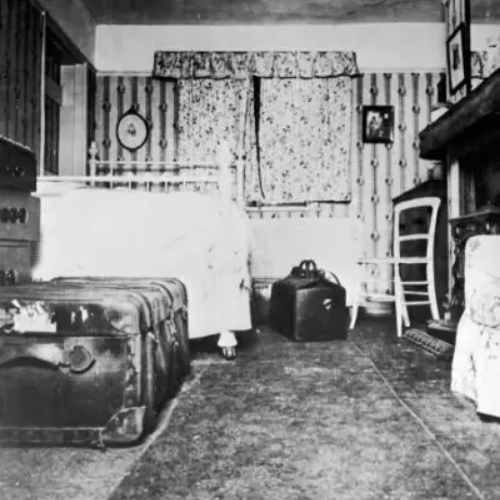
Mancini took Kaye's body and hid it in a trunk. He moved the trunk to his new lodging at 52 Kemp Street, near the train station. In this small room, he placed the trunk at the foot of his bed and covered it with a cloth. Despite the smell and fluids leaking from it, he used the trunk as a coffee table.
The police became aware of Kaye's disappearance and questioned Mancini. He panicked and fled. In the police search related to another unsolved trunk murder, investigators discovered Kaye's remains in Mancini's lodgings. He was arrested in South East London.
Mancini was charged with murder on July 17, 1934. His trial began in December of that year. The prosecution argued that Kaye had died from a blow to the head. Witnesses testified against Mancini, stating he had boasted about hurting Kaye. His defense claimed Kaye could have been killed by a client or accidentally.
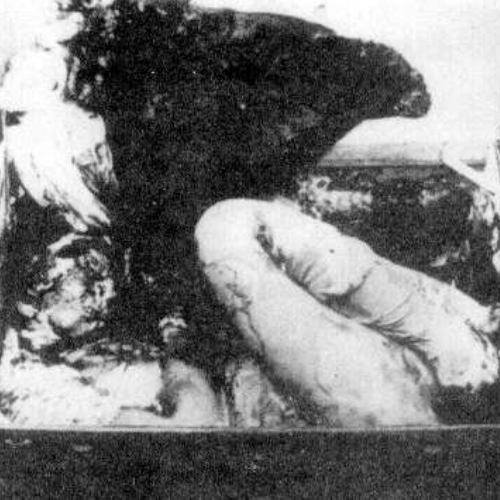
Despite the evidence presented, the jury found Mancini not guilty after deliberating for just over two hours. Many years later, in 1976, Mancini confessed to the murder in a newspaper interview. He claimed that during an argument, Kaye had attacked him with a hammer. He recounted that he wrestled the hammer away from her and struck her in the head, which led to her death.
