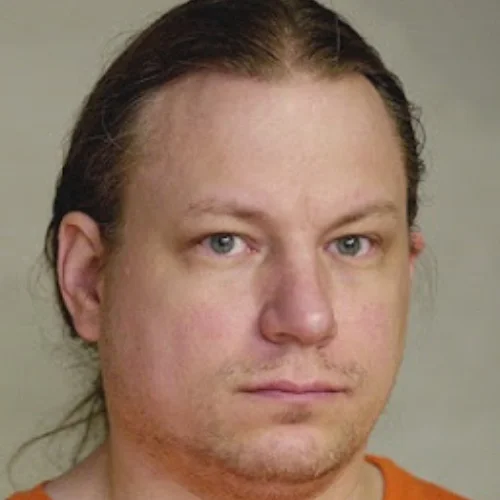
b: 1964
Summary
Name:
Timothy Stuart RingYears Active:
1994Birth:
October 29, 1964Status:
Awaiting ExecutionClass:
MurdererVictims:
1Method:
ShootingNationality:
USAb: 1964
Summary: Murderer
Name:
Timothy Stuart RingStatus:
Awaiting ExecutionVictims:
1Method:
ShootingNationality:
USABirth:
October 29, 1964Years Active:
1994Date Convicted:
December 6, 1996Timothy Stuart Ring was born on October 29, 1964. He grew up in Arizona. As he got older, he pursued a career as a corrections officer. Ring worked for the Department of Corrections. This job required him to enforce the law and supervise inmates.
Ring had a reputation as an expert marksman. His skills in shooting were well-regarded. Over time, he developed relationships with two men who also had backgrounds in law enforcement. James Greenham was another corrections officer, while William Ferguson had been a police officer in Phoenix.
Throughout his life, Ring made various choices that eventually led to his later actions. He became involved in a planned robbery. This plan included plotting to rob a Wells Fargo armored car. By the time he was arrested, he was viewed as the ringleader of this operation.
On November 28, 1994, Timothy Stuart Ring, along with his co-defendants, executed a plan to rob an armored car. The target was a Wells Fargo van driven by John Magoch. During a stop at Arrowhead Mall in Glendale, Arizona, Magoch exited the van to smoke a cigarette. Ring, who was an expert marksman, shot him from the parking lot. After Magoch was incapacitated, one of the co-defendants drove the armored van away while the others followed in different vehicles.
Later that evening, a churchgoer reported the van to police after recognizing it from a news report. Inside the van, authorities found Magoch dead from a gunshot wound. The robbery had resulted in over $800,000 in cash and checks being taken.
Ring was arrested on February 16, 1995. Police searched his home and discovered a green duffel bag with his name on it. The bag contained a significant sum of cash. Ring was charged with several crimes, including first-degree murder.
During the trial, he was found guilty of first-degree murder and other charges. The jury had to determine whether aggravating circumstances existed for sentencing. The judge ruled that Ring had committed the murder for financial gain and described the act as particularly cruel or depraved.
On October 29, 1997, Ring was sentenced to death. His case later went to the U.S. Supreme Court. The Court ruled that a jury must find any aggravating factors necessary for a death sentence. This decision reversed the previous handling of similar cases in Arizona. Ring’s death sentence was challenged, leading to significant legal discussions about the rights of defendants in capital cases.
