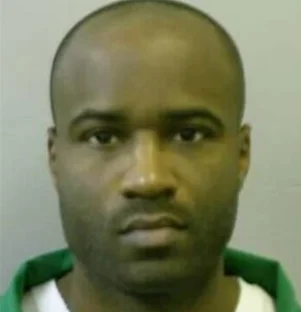
1974 - 2009
Summary
Name:
Thomas Treshawn IveyYears Active:
1993Birth:
May 27, 1974Status:
ExecutedClass:
MurdererVictims:
2Method:
ShootingDeath:
May 08, 2009Nationality:
USA1974 - 2009
Summary: Murderer
Name:
Thomas Treshawn IveyStatus:
ExecutedVictims:
2Method:
ShootingNationality:
USABirth:
May 27, 1974Death:
May 08, 2009Years Active:
1993Thomas Treshawn Ivey was born on May 27, 1974. He was from Alabama and was 18 years old when the South Carolina murders occurred in January 1993. Before the confirmed South Carolina murders, Ivey was in custody in Clayton, Alabama. Reports state that he was being held there on a murder charge. In early January 1993, he escaped with Vincent Neuman. Neuman was from Columbia, South Carolina, and the two men traveled there after the escape.
After leaving Alabama, Ivey and Neuman stole a truck and drove to South Carolina. Their crime spree continued into Columbia and Orangeburg County. Within days, Robert Montgomery, a businessman, and Thomas C. Harrison, an Orangeburg police sergeant, were killed.
Ivey’s age became a notable part of the case because he was a teenager at the time of the crimes. However, he was legally prosecuted as an adult and later received death sentences in South Carolina.
In early January 1993, Thomas Treshawn Ivey and Vincent Neuman escaped from custody in Clayton, Alabama. After the escape, they stole a truck and traveled to Columbia, South Carolina, where Neuman had ties. On January 13, 1993, Ivey and Neuman encountered Robert Montgomery, a 30-year-old businessman, near Owens Steel in Columbia. According to testimony later given by Neuman, Ivey suggested that they rob someone. Ivey had a pistol in his coat pocket.
Montgomery came out of the business and was forced at gunpoint to return inside to get the keys to his vehicle. Neuman drove Montgomery’s vehicle, Montgomery sat in the front passenger seat, and Ivey sat in the back. Montgomery begged them not to hurt him and told them he had a young child at home and that his wife was expecting another child.
The men drove Montgomery to the town of North in Orangeburg County. Once they stopped, Ivey ordered Montgomery out of the vehicle. Neuman stayed inside the vehicle while Ivey walked away with Montgomery. Neuman later testified that he saw two gun flashes. Ivey returned with the pistol and later said he had shot Montgomery in the back of the head and then in the chest.
After Montgomery’s murder, Ivey and Neuman left in Montgomery’s vehicle. They later disposed of it, stole another vehicle, and continued traveling. On January 15, 1993, Ivey, Neuman, and Patricia Perkins went to the Prince of Orange Mall in Orangeburg. Neuman attempted to use stolen checks inside a Belk store. A store employee became suspicious, and security called police.
Orangeburg police officer Thomas C. Harrison responded to the call. Ivey had initially been allowed to leave after officers realized Neuman was the person suspected of trying to pass the check. However, Sgt. Harrison then began questioning Ivey.
Evidence showed that a .357 Magnum in Ivey’s coat pocket fired first. The bullet hit the floor, ricocheted, and struck Harrison in the leg. Ivey then pulled the gun out and shot Harrison five more times. Two of the gunshot wounds struck vital organs and caused Harrison’s death.
After the shooting, Ivey tried to escape from the mall. Officers chased him into the parking lot and arrested him. Ivey gave a statement admitting that he shot Harrison. He claimed the first shot was accidental and said he panicked when Harrison moved toward his own weapon. He later said he did not know why he shot the officer.
Ivey was tried separately for the two South Carolina murders. In the Harrison case, a jury convicted him of murder and recommended death. The judge sentenced him to death. The South Carolina Supreme Court affirmed that conviction and death sentence on January 20, 1997.
In the Montgomery case, Ivey was convicted of murder, kidnapping, and armed robbery. He received another death sentence for murder and a 30-year prison sentence for armed robbery. The South Carolina Supreme Court affirmed that conviction and death sentence on June 15, 1998.
Ivey continued to appeal his convictions and death sentences in state and federal court. His federal habeas appeal was denied in 2008. On May 8, 2009, the U.S. Supreme Court denied his final request for a stay of execution. Before the execution, prison officials reported that Ivey injured himself by cutting his neck with a disposable razor. The wound was treated, and the execution proceeded later that day.
Thomas Treshawn Ivey was executed by lethal injection in South Carolina on May 8, 2009. He was pronounced dead at 6:15 p.m.
