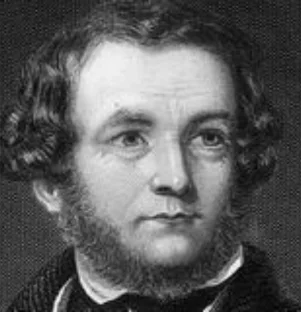
1808 - 1840
Summary
Name:
Thomas SimpsonYears Active:
1840Birth:
July 02, 1808Status:
DeceasedClass:
MurdererVictims:
2Method:
ShootingDeath:
June 14, 1840Nationality:
United Kingdom1808 - 1840
Summary: Murderer
Name:
Thomas SimpsonStatus:
DeceasedVictims:
2Method:
ShootingNationality:
United KingdomBirth:
July 02, 1808Death:
June 14, 1840Years Active:
1840“I shot them because they intended to murder me that night for my papers.”
— Thomas Simpson
Thomas Simpson was born on July 2, 1808, in Dingwall, Scotland. He was the son of Alexander Simpson, a magistrate, and his second wife, Mary. Thomas grew up in a family that valued education. His father was also the town's parish schoolmaster. He was a sickly and shy child, preferring to avoid rough sports.
At the age of seventeen, Thomas was sent to King's College in Aberdeen for his education. His family hoped he would become a clergyman. He studied hard and graduated in 1828 with a Master of Arts degree. After graduation, he enrolled in a divinity class to continue his studies for the ministry. During this time, Sir George Simpson, a relative and governor of the Hudson's Bay Company, offered him a job in 1826. Thomas initially declined to take the job so he could finish his studies.
After completing his education, he accepted the position with the Hudson's Bay Company and arrived in Norway House in 1829. He started working as the secretary to Sir George Simpson. Over the next few years, Thomas served in various roles within the company. In the 1830s, he was stationed at the Red River Colony, where he served as the second officer to Chief Factor Christie.
From 1836 to 1839, Thomas Simpson took part in an important expedition to explore the Arctic coast of Canada. The expedition aimed to chart areas that earlier explorers had left unexplored while searching for the Northwest Passage. The team was led by Peter Warren Dease, an experienced Arctic traveler, who recognized Thomas's skills and delegated much of the responsibility to him.
During the expedition, Thomas and his companions faced many challenges, including harsh weather conditions and difficult terrain. They successfully mapped large stretches of the Arctic coastline. Simpson's hard work and determinations earned him a reputation as a capable explorer.
While on this expedition, Thomas was known for his ambition and confidence. However, there were times when he seemed to clash with Dease, who was older and more reserved. Following their explorations, Thomas returned to the Red River Colony to submit his findings, which had gained some attention back in England for their significance.
In early 1840, after completing the journey back, Thomas was eager to get permission for further exploration. However, the authorities did not respond quickly, which left him frustrated. Instead of waiting for a year for a reply, he decided to travel to England personally to seek permission to continue his work.
This journey would be the last he ever undertook. Thomas left the Red River Colony on June 6, 1840, moving south toward the Minnesota River. He was accompanied by several people, including some Métis companions. As they traveled, tensions began to rise among the group, leading to tragic events that would cement his name in history.
On June 14, 1840, Thomas Simpson was camping in Minnesota with two of his companions, John Bird and Antoine Legros Senior. During the night, Simpson became increasingly agitated. He accused Bird and Legros of planning to murder him for his writings. In this heightened state, he shot John Bird first, killing him instantly, and then shot Antoine Legros Senior, who was mortally wounded.
After the shootings, the son of Antoine Legros and another companion, James Bruce, fled the camp to seek help. They reached a larger group of travelers and reported what had happened. A search party was sent back to the scene. When they arrived, they found that Legros Senior had died from his wounds.
Simpson was discovered shortly after, suffering from a gunshot wound. Witnesses stated that he shot himself shortly after the incident. It was determined that Simpson's death was a result of suicide following the murders.
The investigation into the deaths was held by authorities in the U.S. territory of Iowa. Witness testimonies revealed conflicting details about the events leading to the shootings. Ultimately, the circumstances surrounding the incident led authorities to classify it as a murder-suicide.
