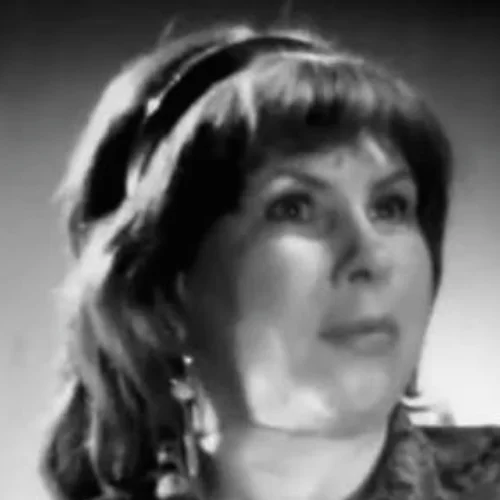
Summary
Name:
Tamara MaslenkoNickname:
The Kyiv PoisonerYears Active:
1976 - 1987Status:
ExecutedClass:
Serial KillerVictims:
13Method:
PoisoningNationality:
Soviet UnionSummary: Serial Killer
Name:
Tamara MaslenkoNickname:
The Kyiv PoisonerStatus:
ExecutedVictims:
13Method:
PoisoningNationality:
Soviet UnionYears Active:
1976 - 1987“To achieve what you want, you don’t need to write complaints. For especially harmful ones, just add poison to food.”
— Tamara Maslenko
Tamara Antonovna Ivanyutina, born Tamara Maslenko in 1941, grew up as one of six children in a large family. Her parents taught the children that material security was the main thing in life.
A forensic psychiatric examination later recognized Ivanyutina as sane. The exam noted she was self-centred, vindictive, and resentful.
Records show she had been convicted earlier of speculation. As a former convict, she was forbidden from working in educational institutions. To get a job in a school cafeteria, she used a fake employment record book and was hired as a dishwasher.
Viktor Stadnik, a chemistry teacher who knew her, described her as persevering and arrogant. He also noted she could be rude and lacked discipline.
In March 1987 several pupils and staff of School No. 16 in Kyiv fell ill after lunch. Two children and two adults died soon after. Nine more people were placed in intensive care. Doctors first thought it was influenza or an intestinal infection. Later the victims began to lose hair. That finding made doctors suspect poisoning.
Investigators questioned the survivors. All said they had eaten kasha and liver in the school cafeteria the day before. The school's dietitian, Natalia Kukharenko, had died two weeks earlier. Her body was exhumed and tests showed traces of thallium. Investigators searched people who had access to the kitchen. They searched the home of Tamara Ivanyutina, also known as Tamara Maslenko, who worked as a dishwasher in the school canteen.
At her home officers found a small but very heavy jar. Laboratory tests showed the jar contained Clerici solution. Clerici solution is a toxic thallium-based solution used in geology. Ivanyutina was arrested. She initially wrote a confession about poisoning food on 16 March 1987. She later said the confession was made under pressure and refused to give more testimony.
The investigation found that Ivanyutina and members of her family had used the thallium solution for many years, since about 1976. They bought the solution from a friend at a geological institute. The investigators concluded the family used the poison because of personal dislikes and to gain property. The inquiry found multiple poisonings and deaths over the years.
Investigators said Ivanyutina poisoned people close to her. She was accused of poisoning a first husband, in-laws, and a second husband in small amounts. The family members were also accused of poisoning neighbors and relatives. The father was linked to a poisoning in Tula. The sister, Nina Matzobory, was accused of poisoning her husband to take his apartment.
While working at the school canteen, Ivanyutina was accused of poisoning a school party organizer who died and of poisoning a chemistry teacher who survived. Two pupils who had asked for leftovers were also poisoned but survived. The investigators said Ivanyutina wanted access to food and food waste because she kept animals.
Forty cases of poisoning by the family were proven in court. Thirteen of those cases were fatal. The court said Tamara Ivanyutina personally committed nine poisonings and twenty assassination attempts. The trial lasted about a year. Ivanyutina did not admit guilt and refused to apologize.
Ivanyutina, her sister Nina, and their parents Anton and Maria Maslenko were found guilty. Tamara Ivanyutina was sentenced to death and was executed in 1990. Her sister was sentenced to 15 years in prison. The parents received 10 and 13 year terms and later died in custody. The case was described by investigators as one of the largest thallium poisoning cases in the USSR.
The case was later featured in media. One documentary episode about the school poisonings aired on NTV in 2012. Court records and investigator reports continue to be used in training materials for criminal procedure in Ukraine.
