d: 2009
Summary
Name:
Taffy Herbert HoteneYears Active:
2000Status:
DeceasedClass:
MurdererVictims:
1Method:
StabbingDeath:
November 26, 2009Nationality:
New Zealandd: 2009
Summary: Murderer
Name:
Taffy Herbert HoteneStatus:
DeceasedVictims:
1Method:
StabbingNationality:
New ZealandDeath:
November 26, 2009Years Active:
2000Date Convicted:
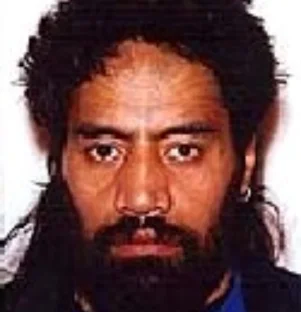
October 9, 2000Taffy Herbert Hotene was born in Murupara, New Zealand, in 1970. He was raised in a chaotic and abusive foster home in Māngere, Auckland. He became associated with the Black Power gang from around age 14. His first court appearance came in July 1985, at age 15, for theft; by age 17, he was appearing in court on a charge of attempted rape at knifepoint. As a young adult, he carried out a series of brutal attacks on three women in Wanganui in 1992, for which he was sentenced to 12 years in prison.
Hotene was released on parole in 2000, after serving eight years of that sentence. Approximately seven to eight weeks after his release, he raped and murdered Kylie Sheree Jones, a 23-year-old Auckland journalist.
On June 6, 2000, 23-year-old Auckland journalist Kylie Jones was attacked and killed in Glen Innes, Auckland. Public summaries state that Hotene raped and murdered her in a park after being released from prison on parole only weeks earlier.
Jones was attacked close to her home. Later reports described the killing as a violent sexual attack in which she was stabbed repeatedly. Hotene was arrested four days after the murder. He later pleaded guilty. On October 9, 2000, in the High Court at Auckland, he was sentenced to life imprisonment with a minimum non-parole period of 18 years for murder. He also received preventive detention for raping Kylie Jones.
The case attracted public attention because Hotene had been released from prison shortly before the murder. A Sunday Star-Times report stated that he had been released on April 16, 2000, after serving two-thirds of a 12-year sentence, and that he murdered Kylie Jones five weeks after leaving the rehabilitation placement connected to his parole plan.
After the murder, the Department of Corrections’ handling of Hotene’s release and supervision was reviewed. The public discussion focused on whether his parole conditions had been enforced and whether the law at the time gave authorities enough power to keep high-risk offenders in prison.
Hotene remained in custody after sentencing. On November 26, 2009, he died at Whanganui Prison. Contemporary reports stated that his body was found at about 4:20 p.m. after prison staff searched the factory area where he had been working.
