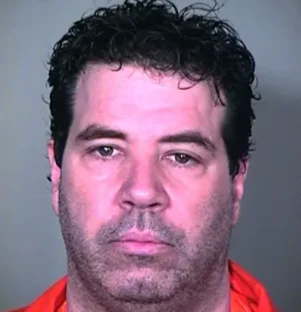
b: 1961
Summary
Name:
Shawn Patrick LynchYears Active:
2001Birth:
December 18, 1961Status:
ImprisonedClass:
MurdererVictims:
1Method:
Slashing / Throat cuttingNationality:
USAb: 1961
Summary: Murderer
Name:
Shawn Patrick LynchStatus:
ImprisonedVictims:
1Method:
Slashing / Throat cuttingNationality:
USABirth:
December 18, 1961Years Active:
2001Date Convicted:
December 1, 2005Shawn Patrick Lynch was born on December 18, 1961. By 2001, Lynch was living in Arizona. He became connected to Michael Sehwani, who was also involved in the events surrounding the murder of James Panzarella. The two men met Panzarella at a Scottsdale-area bar on the night of March 24, 2001.
Before the murder, Lynch and Sehwani went with Panzarella to his residence, a guest house behind his parents’ home. The case later centered on what happened inside that residence during the early morning hours of March 25, 2001.
On March 24, 2001, Shawn Patrick Lynch and Michael Sehwani met James Stanley Panzarella at a local bar. After the bar closed, the men went back to Panzarella’s residence in Maricopa County, Arizona. During the early morning hours of March 25, 2001, someone from the residence called an adult entertainment business. A dancer came to the home, and Sehwani wrote checks from Panzarella’s account to pay her. After the dancer left, the situation turned violent.
Panzarella was tied to a chair with telephone cord. After he was restrained and unable to defend himself, Lynch cut his throat with a knife. The wound was severe and nearly severed his head from his body. Lynch and Sehwani then used Panzarella’s credit cards and checked into motels, where they watched adult movies and made purchases with the victim’s money.
Police tracked Lynch and Sehwani to a motel and arrested them. Lynch was later tried in Maricopa County. His trial began on October 31, 2005, and on December 1, 2005, the jury convicted him of first-degree murder, kidnapping, armed robbery, and burglary.
The first penalty-phase jury could not agree on a sentence. A second jury sentenced Lynch to death, but that sentence was later vacated because the jury instructions incorrectly described Arizona law. A third penalty-phase jury again sentenced him to death, and the Arizona Supreme Court affirmed that death sentence in 2015.
Lynch then appealed to the U.S. Supreme Court. On May 31, 2016, the Court reversed the Arizona Supreme Court’s ruling. The Court held that because prosecutors raised future dangerousness and Lynch was ineligible for parole under Arizona law, he had a due-process right to tell the jury that the only real alternative to death was life without parole.
