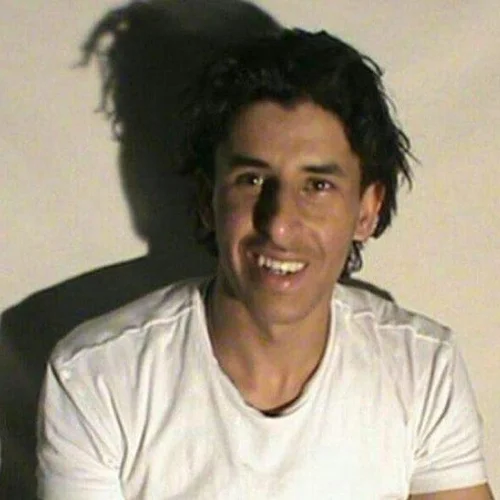
1992 - 2015
Summary
Name:
Seifeddine Rezgui YacoubiNickname:
Abu Yahya al-QayrawaniYears Active:
2015Birth:
August 29, 1992Status:
DeceasedClass:
Mass MurdererVictims:
38Method:
ShootingDeath:
June 26, 2015Nationality:
Tunisia1992 - 2015
Summary: Mass Murderer
Name:
Seifeddine Rezgui YacoubiNickname:
Abu Yahya al-QayrawaniStatus:
DeceasedVictims:
38Method:
ShootingNationality:
TunisiaBirth:
August 29, 1992Death:
June 26, 2015Years Active:
2015Seifeddine Rezgui Yacoubi was born on 29 August 1992. He came from Gaâfour in northwest Tunisia.
He was an electrical engineering student at the University of Kairouan. Locally he was known as a skilled break-dancer.
He reportedly had a girlfriend and drank alcohol. He was also known by the name Abu Yahya al-Qayrawani.
He is believed to have been radicalized over issues such as the Libyan Civil War and Western inaction against the Assad government in the Syrian Civil War.
On 26 June 2015, a gunman attacked the Riu Imperial Marhaba Hotel and the beach at Port El Kantaoui, about ten kilometres north of Sousse, Tunisia. The attacker fired at tourists on the beach and then entered the hotel. Thirty-eight people were killed in the attack. Thirty of the dead were British. Thirty-nine people were wounded.
The attacker was identified as Seifeddine Rezgui Yacoubi, also known as Abu Yahya al-Qayrawani. He was 22 years old at the time and was killed by security forces at the scene. His autopsy showed he had medications and an illegal drug in his system. All bullets were fired from one weapon. Four magazines of ammunition were recovered. He had spoken to his father on a mobile phone during the attack and then threw the phone into the sea; the phone was later retrieved.
The Tunisian Interior Ministry said others helped by providing the weapon and helping Rezgui get to the scene, though they did not participate directly. The Islamic State claimed responsibility for this attack and for a March 2015 attack at the Bardo National Museum that killed 22 people. Tunisian authorities also linked local militant groups and individuals to the wider network involved in these attacks.
Among the dead were a former professional footballer, Denis Thwaites, and his wife, Elaine. The victims included three generations of one family: Adrian Evans, Patrick Evans and Joel Richards. Victims came from several countries, including the United Kingdom, the Republic of Ireland, Germany, Belgium, Russia and Portugal.
The attack was the deadliest non-state attack in modern Tunisian history at that time. The Tunisian government later acknowledged faults in the police response. An inquest found that some officers in the area were hiding or running away while the attacker continued to kill victims. Several police officers were later referred to trial for alleged negligence in failing to help the victims.
In the days after the attack, flights and tourist services were changed and governments carried out repatriation and support operations. The United Kingdom flew bodies and injured people home and sent police to assist with the investigation. A memorial, Infinite Wave, to the British victims and a victim of the Bardo attack was unveiled in Birmingham in March 2019.
