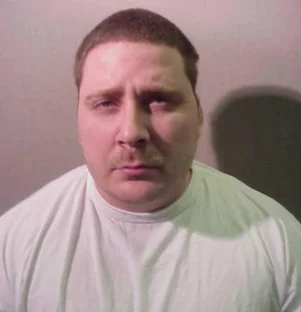
b: 1971
Summary
Name:
Sean Padraic KennyNickname:
Richard FeasterYears Active:
1993Birth:
April 27, 1971Status:
ImprisonedClass:
MurdererVictims:
2Method:
Shooting / StabbingNationality:
USAb: 1971
Summary: Murderer
Name:
Sean Padraic KennyNickname:
Richard FeasterStatus:
ImprisonedVictims:
2Method:
Shooting / StabbingNationality:
USABirth:
April 27, 1971Years Active:
1993Date Convicted:
March 15, 1996Sean Padraic Kenney was born on April 27, 1971. He was formerly known as Richard Feaster. He lived in Gloucester County, New Jersey, with young friends from Woodbury Heights and National Park. Before the murder of Keith Donaghy, Kenney obtained access to a sawed-off twenty-gauge shotgun. According to the New Jersey Supreme Court’s summary of trial evidence, he asked Daniel Kaighn to borrow a handgun or weapon, claiming he needed protection while collecting money from someone who owed him. After several requests, Kaighn agreed to lend him the sawed-off shotgun for one day in exchange for promised payment.
Kenney later placed the weapon in a blue gym bag and arranged to keep it in another person’s car. On October 6, 1993, he spent time at the Columbia Cafe with friends before the murder. That night, Keith Donaghy was killed during a gas station robbery. The investigation initially did not lead directly to Kenney, but a second gas station attendant was killed later that month. After Ronald Pine’s murder on October 31, 1993, an acquaintance became concerned that Kenney was responsible and contacted police through a lawyer. That information helped move the investigation forward.
On October 6, 1993, Keith Donaghy was working alone at the Family Texaco gas station in Deptford Township, New Jersey. He was 24 years old. During the robbery, Donaghy was shot in the head at close range with a sawed-off shotgun. Court records show that Kenney, then known as Richard Feaster, was later charged with purposeful or knowing murder, felony murder, armed robbery, conspiracy, and weapons offenses in connection with Donaghy’s death.
The trial evidence showed that Kenney had obtained the shotgun before the killing and had been with several acquaintances earlier that night. The New Jersey Supreme Court later summarized that the guilt-phase trial took place from February 28 through March 15, 1996, and that the jury found him guilty of all charges related to Donaghy’s murder.
On October 31, 1993, Ronald Pine, another gas station attendant, was murdered at an Amoco station. Pine was stabbed to death. After Pine’s murder, Tina Shiplee suspected that Kenney had committed the second killing and contacted a lawyer, who then contacted police. Shiplee later gave a statement implicating Kenney in both murders.
Kenney was tried first for the Donaghy murder. The indictments were severed, and the Pine murder was not presented to the jury during the Donaghy trial. A jury convicted him in March 1996. After a separate penalty phase, the jury voted in favor of the death penalty. On March 27, 1996, Judge Joseph F. Lisa imposed a death sentence for purposeful or knowing murder. The court also imposed a consecutive twenty-year sentence with ten years of parole ineligibility for robbery and a concurrent five-year term for possession of a sawed-off shotgun.
After his conviction and death sentence in the Donaghy case, Kenney pleaded guilty in the Pine murder case and received a life sentence with a minimum parole-ineligibility term. The supplied case material states that the life sentence carried a minimum thirty-year term.
Kenney appealed his conviction and death sentence. In 1998, the New Jersey Supreme Court affirmed the conviction and sentence. In 2000, the court also upheld the death sentence after proportionality review, finding it was not disproportionate under New Jersey’s capital-sentencing framework.
In 2007, New Jersey abolished the death penalty. As a result, the governor commuted Kenney’s death sentence to life imprisonment without parole. A 2010 appellate opinion confirmed that all death-sentence issues in his case had become moot because of the commutation. The same court later affirmed the denial of his postconviction relief petition and motion for a new trial.
