Summary
Name:
Scott Robin RostonNickname:
Dr. Scott RostonYears Active:
1988Status:
ImprisonedClass:
MurdererVictims:
1Method:
StrangulationNationality:
USASummary: Murderer
Name:
Scott Robin RostonNickname:
Dr. Scott RostonStatus:
ImprisonedVictims:
1Method:
StrangulationNationality:
USAYears Active:
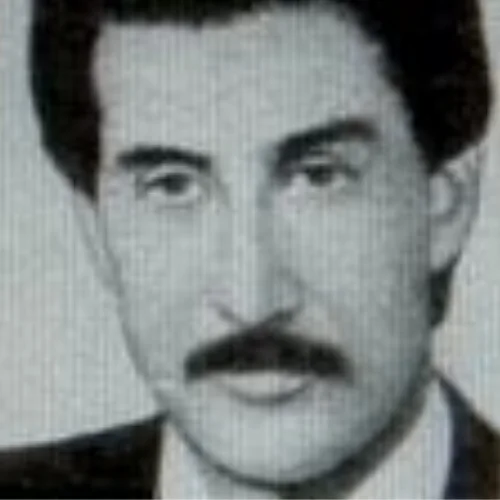
1988Scott Robin Roston was born in 1951. He grew up in a family that included his parents, who later emigrated to Israel in 1978. Roston had some challenges during his youth and early adulthood. He faced accidents that affected his physical health. One such incident involved him falling down a flight of stairs, leading to injuries that required therapy.
To recover from his injuries, Roston underwent physical therapy, where he met Karen Waltz, who was a masseuse. They developed a close relationship while he was receiving treatment. The two shared a strong interest in fitness, which brought them together further.
Roston's relationship with Karen deepened, and they eventually got married on February 6, 1988. Karen was 26 years old at the time. Shortly after their wedding, the couple went on a week-long cruise to Mexico aboard the cruise ship Stardancer.
Before becoming a chiropractor, Roston had opened an unlicensed clinic in Israel. He had a troubled time there, spending time in jail and claiming mistreatment while he was incarcerated. Roston's background included claims of being targeted by various groups, including the Israeli Mafia, due to his refusal to marry someone.
Roston's family life had a mix of cultural backgrounds; his family moved from America to Israel and back again. He continued to face struggles, both personally and professionally, which seemed to affect his relationships with those around him. Concerns about his financial stability also arose, as evidenced by Karen's mother questioning the legitimacy of the engagement ring he gave her daughter.
On the night of February 13, 1988, Dr. Scott Robin Roston reported to the crew of the cruise ship Stardancer that his wife, Karen, had gone overboard. He claimed that high winds had blown her off the jogging deck where they were running. However, his story quickly raised suspicions. The weather conditions were calm, with winds at only five miles per hour, making it unlikely for someone to be blown off the ship.
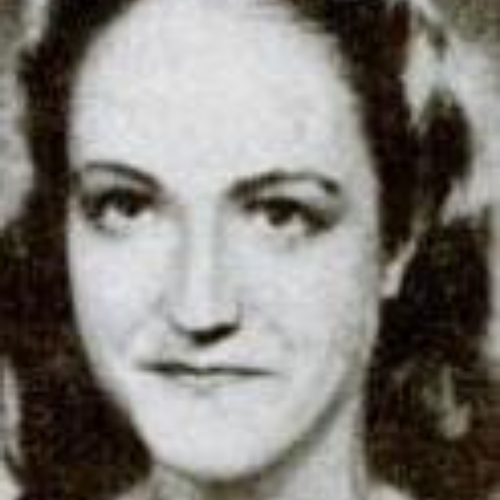
As authorities began to investigate, Roston provided conflicting accounts of the incident. Initially, he insisted that winds had knocked her overboard. Afterward, he changed his story to say she had fallen and that he had attempted to save her but could not. This explanation seemed implausible, given the height of the ship's rail compared to Karen's height of five feet three inches.
Witnesses later noted signs of tension between the couple during the cruise. Reports suggested that Roston had been upset with Karen for trivial reasons, such as her choice of food during meals. Additionally, about an hour before he claimed Karen went overboard, he was seen engaging in a heated argument with another passenger.
When the U.S. Coast Guard located Karen's body later that same day, it was found in the ocean, thirty miles southwest of San Diego. Medical examiners determined that she had drowned. The air trapped in her clothing indicated that she was likely unconscious when she entered the water. Further examination revealed signs of manual strangulation, along with injuries that suggested a violent struggle had occurred. Strands of her hair and parts of her earrings were discovered on the ship's deck, lending credibility to the theory that she had been attacked before going overboard.
Roston exhibited injuries on his own face, which he claimed came from hitting a control box on the ship. However, there was no evidence on the box to support his claim. Instead, his injuries appeared more consistent with a struggle.
After the investigation gathered significant evidence against Roston, he was arrested on charges of murder. He attempted to deflect blame by suggesting that Israeli agents were responsible for Karen's death because of his past criticism of their government in a published book. During the trial, this claim was dismissed as the jury found Roston guilty of second-degree murder. He was sentenced to life imprisonment without the possibility of parole.
On appeal, Roston's defense sought to challenge various aspects of the trial, including the jury instructions and the evidence against him. However, the appeal was unsuccessful, and the court affirmed his conviction. Later, his sentence was adjusted after an appellate ruling found that the initial sentence had been too harsh. In November 1994, he was resentenced to thirty-three years and nine months in prison.
