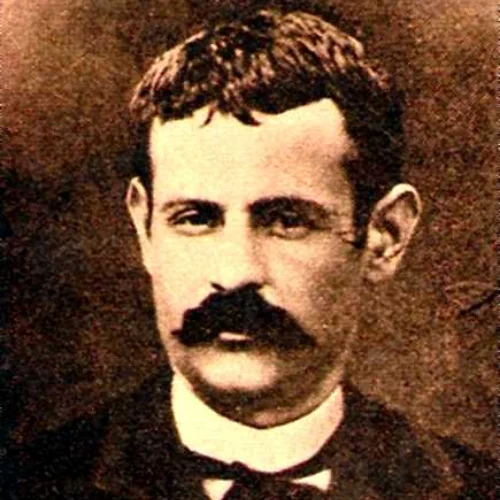
d: 1894
Summary
Name:
Santiago SalvadorYears Active:
1893Status:
ExecutedClass:
Mass MurdererVictims:
20+Method:
BombingDeath:
November 21, 1894Nationality:
Spaind: 1894
Summary: Mass Murderer
Name:
Santiago SalvadorStatus:
ExecutedVictims:
20+Method:
BombingNationality:
SpainDeath:
November 21, 1894Years Active:
1893“Long live the social revolution! Long live anarchy! Death to all religions!”
— Santiago Salvador
Few reliable records describe Santiago Salvador's childhood or family. Historians note that detailed information about his early years is scarce in contemporary sources.
He became involved in the anarchist movement that grew in Spain in the late 19th century. That movement included people who debated tactics, such as whether to focus on trade union organizing or on revolutionary acts. Important thinkers of the time, like Peter Kropotkin, influenced many in these circles.
Salvador lived in Catalonia and took part in anarchist circles there. He closely followed events around fellow anarchists, including the trial and execution of Paulí Pallàs in 1893. In later statements Salvador said he had been beaten by police in Valencia and that he had read Kropotkin’s The Conquest of Bread, which he named as an influence.
He had a wife and associated with other anarchists and comrades. Other contemporary records place him among activists who met and talked in the cities of the region. Beyond these points, contemporary sources provide few verifiable details about his childhood, schooling, or early family life.
On 7 November 1893, Santiago Salvador went to the Gran Teatre del Liceu in Barcelona. The theatre was nearly full for the opening night. Salvador carried two Orsini-style bombs and bought a cheap seat on the fifth floor.
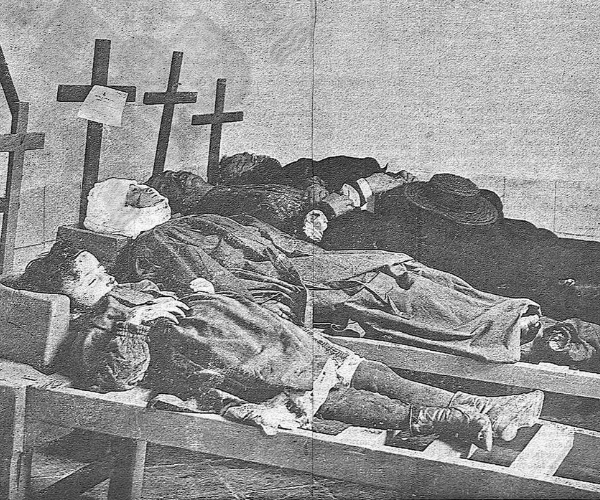
During the second act of the opera, Salvador threw the two bombs from the balcony into the audience. One exploded on impact and caused many deaths and injuries. The other did not detonate because it landed on a woman and its fall was broken. Smoke and panic filled the theatre. Salvador left the theatre during the confusion and escaped into the night.
By the time the authorities arrived, many people had died or were wounded. Doctors who had been in the audience treated some of the wounded on site. Stretchers came from a nearby military hospital, and the injured were taken to the Hospital de la Santa Creu. Priests gave last rites to some of the dying.
Salvador walked around the city the next day. He told some anarchist comrades what he had done and later told his wife. He read newspaper reports about the bombing. He was later arrested after a Civil Guard raid. During his arrest he was prevented from taking poison and was shot in the hip.
The police arrested hundreds of people after the attack. The city declared a state of emergency and suspended constitutional rights in Catalonia. Many known and suspected anarchists were detained and held in places such as Montjuïc Castle, the Drassanes barracks, and the Reina Amalia prison. Reports and later historical research indicate that some prisoners were tortured and forced to confess.
Military tribunals tried many of the arrested anarchists. Salvador confessed that he had acted alone, but the tribunal focused on a supposed conspiracy. Several defendants were executed and others received life sentences. Many historians now consider that some of those convicted had given false confessions under torture.
The death toll from the bombing is disputed. Court files list 20 confirmed dead and 27 wounded. Other sources give higher numbers, with some historians estimating as many as 30 dead and dozens injured. A mass funeral was held two days after the bombing, ending at the Columbus Monument.
Public reaction in Barcelona and in the press was strong. Right-wing newspapers dehumanised anarchists and called for harsh measures. The government appointed Valeriano Weyler as Captain General of Catalonia and increased repression. The Congress of Deputies later passed anti-anarchist legislation that outlawed anarchist associations and publications and punished possession of explosives.
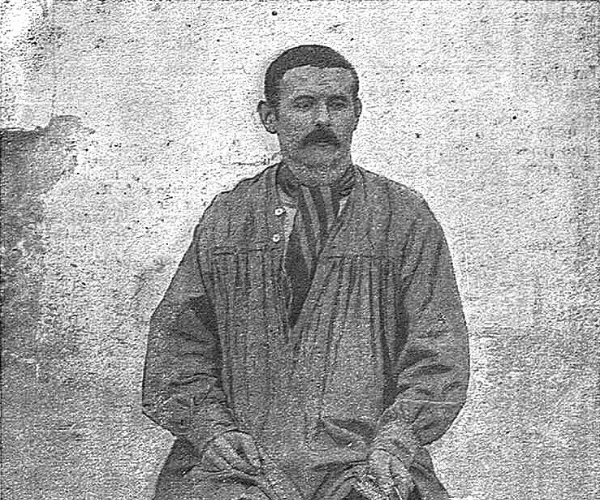
Salvador remained in prison and at times appeared to renounce anarchism and convert to Catholicism. He spent the last months of his life meeting with clergy. On 21 November 1894 he was executed by garrote. Before his execution he shouted in support of the social revolution and anarchy, according to contemporary reports.
The bombing and its aftermath led to further arrests and trials in Barcelona, including the Montjuïc trials. The event also influenced later anti-anarchist laws and continued political repression. Historians describe the Liceu bombing as an indiscriminate attack that marked a change in anarchist violence in Spain.
