d: 2003
Summary
Name:
Salvador TapiaYears Active:
2003Status:
DeceasedClass:
Mass MurdererVictims:
6Method:
ShootingDeath:
August 27, 2003Nationality:
USAd: 2003
Summary: Mass Murderer
Name:
Salvador TapiaStatus:
DeceasedVictims:
6Method:
ShootingNationality:
USADeath:
August 27, 2003Years Active:
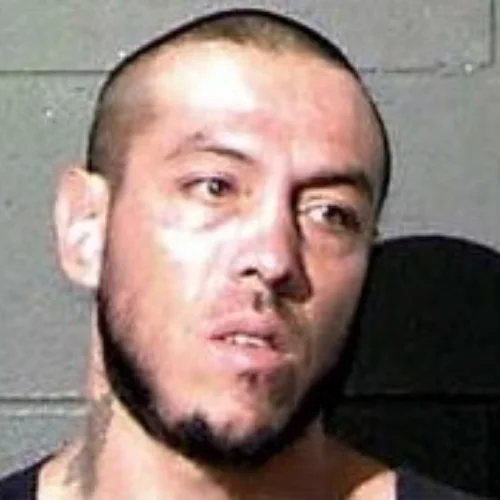
2003Salvador Tapia was born in 1967. He lived in Chicago, Illinois, where he grew up. There is limited information about his early life, but it is known that he faced many challenges as a child. Tapia had a troubled upbringing that included legal issues. He was arrested multiple times for various offenses, including charges related to weapons and domestic violence.
As he grew older, Tapia struggled to find stability in his personal and professional life. He had a history of conflict and trouble at work. Reports indicate that he had problems with authority and often caused disruptions in his workplace. This behavior eventually led to him being fired from his job at an auto parts company six months before his violent actions.
On August 27, 2003, Salvador Tapia returned to his former workplace, an auto parts warehouse in Chicago, armed with a semi-automatic handgun. He had been fired six months prior for causing trouble at work. Tapia entered the warehouse and began shooting, killing six of his former co-workers.
The victims were Alan Weiner, 50, Howard Weiner, 59 (the owners of the business), Howard's son Daniel Weiner, 30, and co-workers Calvin Ramsey, 44, Robert Taylor, 53, and Juan Valles, 34. Four of the victims died at the scene amid the clutter of engine parts and drums.
During the shooting, one employee who was being threatened managed to survive. Tapia tied him up but did not harm him. This employee later escaped and called 911. He also warned another co-worker not to enter the building.
After the shooting, Tapia moved outside and began firing at police officers. Responding quickly to the scene, police encountered heavy gunfire. They attempted to enter the warehouse but retreated due to Tapia's aggression. Eventually, SWAT teams entered the building, where Tapia continued to shoot at them while hiding behind containers.
The shootout ended when police fatally shot Tapia. He and two of the victims were later pronounced dead at hospitals. Tapia had a history of arrests, including charges for weapons offenses and domestic battery. His actions that day marked one of the deadliest workplace shootings in American history.
