Summary
Name:
Ronald TrueNickname:
The Finborough Road MurdererYears Active:
1922Status:
DeceasedClass:
MurdererVictims:
1Method:
AsphyxiationNationality:
United KingdomSummary: Murderer
Name:
Ronald TrueNickname:
The Finborough Road MurdererStatus:
DeceasedVictims:
1Method:
AsphyxiationNationality:
United KingdomYears Active:
1922Date Convicted:
May 5, 1922Ronald True was born in Manchester, England, in 1891. He grew up in a time of change in the country. True was educated at Bedford School, a well-known public school. However, he did not settle into a career after finishing school. His family tried to help him by finding various jobs for him overseas.
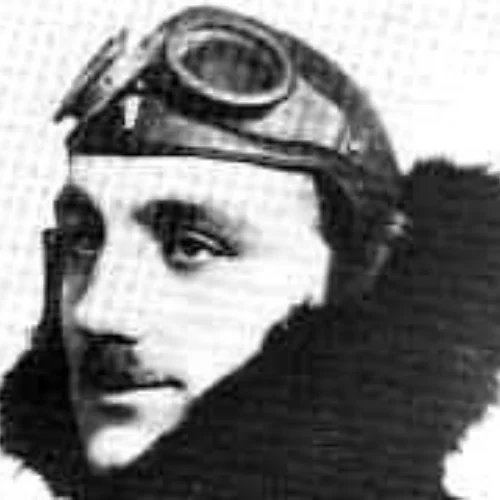
In 1915, True joined the Royal Flying Corps. This was during World War I, and many young men were enlisting to serve their country. However, True's time in the military was cut short. His behavior became increasingly strange, and he struggled with a morphine addiction. He was discharged from the military in 1916.
After leaving the military, True traveled to the United States in 1917. While there, he got married to Frances Roberts, and they had a child together. When True returned to Britain, his family supported him with an allowance. Despite this help, his behavior became even more unusual. He began to believe that he had a doppelgänger—a double who he thought was his enemy.
As True’s mental health declined, he abandoned his wife and child. He started living off his allowance and engaged in petty crimes like fraud and theft. His life was marked by instability, which eventually led him down a darker path.
Ronald True was charged with the murder of a woman named Olive Young, who was also known as Gertrude Yates. She was 25 years old and worked as a prostitute. On March 6, 1922, her body was found in her flat in London. The police discovered that she had been asphyxiated. A dressing gown cord was tied around her neck, and a towel had been stuffed down her throat.
True was arrested the same day. He was later tried at the Old Bailey, with his trial starting on May 1, 1922. His defense claimed that he was insane. After four days of trial, the jury found True guilty of murder and sentenced him to death.
His case gained attention because of another murder trial happening at the same time. A young pantry boy named Henry Jacoby was also sentenced to death, but his case was treated differently. An appeal to save Jacoby was denied, and he was executed, while True's death sentence was reprieved by the Home Secretary Edward Shortt, citing his insanity. Following the reprieve, medical experts examined True and confirmed his mental illness.
On being declared insane, True was committed to Broadmoor Hospital for the Criminally Insane instead of facing execution. He spent the rest of his life in Broadmoor, where he passed away in 1951.
