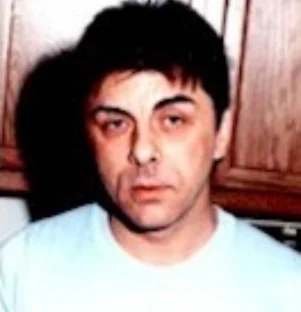
b: 1949
Summary
Name:
Robert KosilekNickname:
Michelle KosilekYears Active:
1990Birth:
April 10, 1949Status:
ImprisonedClass:
MurdererVictims:
1Method:
StrangulationNationality:
USAb: 1949
Summary: Murderer
Name:
Robert KosilekNickname:
Michelle KosilekStatus:
ImprisonedVictims:
1Method:
StrangulationNationality:
USABirth:
April 10, 1949Years Active:
1990“Apparently, I did take her life. It was probably in self-defense.”
— Robert Kosilek
Robert Kosilek, later legally known as Michelle Lynne Kosilek, was born on April 10, 1949, in the United States. Kosilek was married to Cheryl Kosilek. The couple lived in Mansfield, Massachusetts. Cheryl had a son, Timothy McCaul, who was 15 years old at the time of the murder and lived with them.
Kosilek later claimed to have experienced gender dysphoria from early childhood. During later prison litigation, Kosilek was diagnosed with gender identity disorder, now more commonly called gender dysphoria. Kosilek legally changed name to Michelle Kosilek in 1993 while serving a life sentence.
Before the murder, Kosilek had not yet become publicly known for the prison medical-care lawsuits that later drew national attention. Those lawsuits began after conviction and incarceration. In 2002, a federal judge ruled that Kosilek was entitled to treatment for gender identity disorder, which led to hormone therapy, psychotherapy, and other care, though later litigation over sex reassignment surgery continued for years.
By May 1990, Kosilek and Cheryl’s marriage had serious conflict. Kosilek later gave a recorded interview claiming that Cheryl attacked first during an argument, but the jury rejected the self-defense claim and convicted Kosilek of first-degree murder.
Murder Story
On May 20, 1990, Cheryl Kosilek’s body was found in the back seat of her car in a shopping mall parking lot in North Attleborough, Massachusetts, after the mall had closed. Medical evidence showed that she had been strangled with both a wire and a rope.
A taxi driver later testified that he picked up Kosilek from the same mall on the afternoon of May 20 and drove Kosilek to a store about half a mile from the couple’s home in Mansfield. That evening, Kosilek called police and reported that Cheryl had not come home. Police told Kosilek they had located Cheryl’s car and asked Kosilek to come to the station.
At the police station, officers told Kosilek that a body had been found in Cheryl’s vehicle. Kosilek told police that Cheryl had gone to work that day and planned to stop at the mall on her way home. Kosilek also claimed to have spent the day working around the house.
On May 21, 1990, police again questioned Kosilek. During that interview, officers advised Kosilek that Kosilek was a suspect and gave Miranda warnings. Kosilek later left the station after saying that legal counsel would be sought.
On May 22, 1990, shortly after midnight, Kosilek was involved in a car crash in Bedford, Massachusetts. Police found Kosilek dressed in women’s clothing. The officer determined Kosilek was not intoxicated and arranged a taxi home.
On May 24, 1990, police in New Rochelle, New York, stopped Kosilek for speeding. After alcohol was observed in the vehicle and on Kosilek’s breath, Kosilek was arrested for driving while intoxicated. During that encounter, Kosilek made statements referring to Cheryl’s death, including, “I murdered my wife.” Kosilek was taken to a psychiatric unit in New York and was later returned to Massachusetts by state police.
In October 1992, before trial, Kosilek gave recorded interviews to a television news reporter. In one interview, Kosilek claimed that Cheryl had thrown boiling tea, chased Kosilek with a butcher knife, and that Kosilek blacked out during the incident. Kosilek stated, “Apparently, I did take her life. It was probably in self-defense.”
At trial, prosecutors argued that Kosilek intentionally killed Cheryl, placed her body in her car, and left the vehicle at the mall. The jury convicted Kosilek of first-degree murder under theories of deliberate premeditation and extreme atrocity or cruelty. Kosilek was sentenced to life imprisonment without parole.
Kosilek appealed the conviction. On August 8, 1996, the Massachusetts Supreme Judicial Court affirmed the first-degree murder conviction. The court reviewed arguments about jury instructions, cross-examination, prosecutorial statements, sufficiency of evidence, and ineffective assistance of counsel, but found no basis to overturn the conviction.
Kosilek later became nationally known for lawsuits seeking treatment for gender identity disorder while incarcerated. In 2012, a federal judge ordered Massachusetts prison officials to provide sex reassignment surgery, but the full First Circuit later ruled against Kosilek in December 2014. In May 2015, the U.S. Supreme Court declined to hear the appeal, leaving the First Circuit ruling in place.
