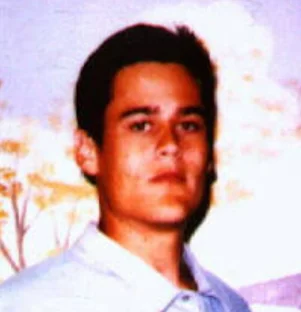
b: 1970
Summary
Name:
Randy Eugene GarciaYears Active:
1993Birth:
September 24, 1970Status:
Awaiting ExecutionClass:
MurdererVictims:
1Method:
ShootingNationality:
USAb: 1970
Summary: Murderer
Name:
Randy Eugene GarciaStatus:
Awaiting ExecutionVictims:
1Method:
ShootingNationality:
USABirth:
September 24, 1970Years Active:
1993Date Convicted:
December 13, 1994Randy Eugene Garcia was born on September 24, 1970. By 1993, at age 22, he was living in the Torrance, California area, though he later relocated to Washington County, Oregon following the crimes.
On the night of May 8, 1993, Garcia was in Torrance, California, with George Aguirre and Edward Pierce. According to trial testimony summarized by the California Supreme Court, Garcia said he wanted to do “a job,” meaning he wanted to steal something. He wore dark clothing, black gloves, and carried a fanny pack that contained a small chrome handgun. Aguirre dropped him off in a residential area near 180th Street.
Garcia first burglarized the nearby home of Archie and Winona Kozak, who were away in Las Vegas. Jewelry, collectible coins, and a multicolored bag were taken from the home. Those items later helped connect Garcia to the crime spree because they were recovered in Oregon after his arrest.
At about 11:15 p.m., Lynn Finzel was in the master bedroom of her home on West 180th Place. Her infant daughter, Brinlee, was sleeping in a bassinet nearby. Her husband, Joseph Finzel, was away from the home but expected to return soon. Lynn woke after hearing a noise and saw Garcia standing in the bedroom doorway holding a small silver gun.
Garcia threatened to hurt the baby if Lynn screamed. He forced Lynn to perform sex acts, attempted intercourse, demanded money, jewelry, a safe, and a gun, and then found Joseph’s .357 Magnum handgun inside the home. Garcia gagged Lynn, tied her wrists and feet behind her with nylons, and waited as Joseph returned home.
When Joseph entered the bedroom and saw his wife bound and nude on the bed, Garcia shot him. He also shot Lynn. The California Supreme Court noted that Garcia fired across or over the infant’s bassinet to hit Joseph. Medical testimony showed that Joseph suffered two gunshot wounds to the chest, both fatal. Lynn survived after emergency surgery for two gunshot wounds, one of which passed through vital organs.
Garcia remained inside the Finzel home for about two or three hours after the shootings. He disabled the phone when Lynn tried to call 911, returned to the bedroom several times, and checked whether Lynn was alive while she pretended to be dead. The waterbed had been punctured by gunfire, and Lynn had to keep water from entering her nose while staying still so Garcia would not kill her or harm the baby.
After Garcia left, Lynn freed herself enough to crawl over Joseph’s body, make her way through the house and yard, and reach a neighbor’s porch. The neighbors found her nude, bleeding, and collapsed at about 2:00 a.m. She told them about the robbery, the shooting, and the baby still inside the house.
Garcia left California for Oregon shortly after the crimes. While driving back, he made incriminating statements to Pierce, saying he shot the male victim because the man had seen his face and shot the female victim because she panicked. In Oregon, he gave the .357 Magnum handgun to Pierce, and police later recovered it. Ballistics testing connected that gun to the bullets and casings from the Finzel bedroom.
Oregon detectives learned on May 11, 1993, that a warrant had been issued in the Torrance case. Garcia was arrested soon afterward at a friend’s house in Oregon. Police recovered jewelry, weapons, and stolen property. Joseph Finzel’s wedding ring was found on Garcia’s finger when he was arrested.
Garcia was indicted in Los Angeles County. On December 13, 1994, he was convicted of murder with special circumstances, attempted murder, sexual assault-related offenses, robbery, and burglary. The Los Angeles Times reported that prosecutors sought the death penalty after the guilty verdict.
On January 27, 1995, the jury recommended death for Garcia. Los Angeles Times reporting stated that the panel returned the death recommendation after six days of deliberation. On March 23, 1995, Judge Jacqueline A. Connor sentenced Garcia to death for the murder of Joseph Finzel.
Garcia’s automatic appeal was decided by the California Supreme Court on August 25, 2011. The court affirmed the judgment in full, finding no prejudicial error at trial.
CDCR condemned-inmate list updated July 7, 2026, Randy Garcia remains listed among California’s condemned prisoners. He has not been executed.
