d: 1999
Summary
Name:
Pierre LebrunYears Active:
1999Status:
DeceasedClass:
Mass MurdererVictims:
4Method:
ShootingDeath:
April 06, 1999Nationality:
Canadad: 1999
Summary: Mass Murderer
Name:
Pierre LebrunStatus:
DeceasedVictims:
4Method:
ShootingNationality:
CanadaDeath:
April 06, 1999Years Active:
1999“It’s Judgment Day!”
— Pierre Lebrun
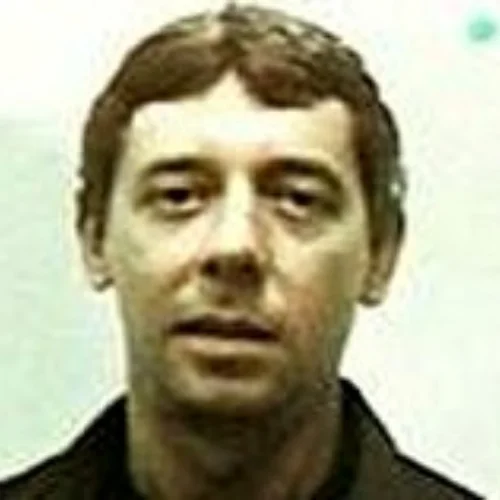
Pierre Lebrun was born in 1959 and later lived in the Ottawa area of Ontario, Canada. He was described as a quiet, single man. He had a speech impediment, including a stutter, and some reports said he was sensitive about being teased for it. Lebrun was also a hunting enthusiast and legally owned firearms. Before the OC Transpo shooting, he had no reported criminal record.
He started working for OC Transpo on November 17, 1986. He first worked as a bus driver, then moved to other jobs inside the transit company. He later worked as a garage attendant, stores counter employee, and audit clerk. Over time, Lebrun had problems at work. He complained that some co-workers made fun of his stutter and treated him badly. These workplace issues later became an important part of the public discussion after the shooting.
In August 1997, Lebrun was fired after an altercation with another employee. His union helped him challenge the firing, and he was allowed to return about a month later. After that, he signed a “last chance” agreement and was moved to a job with less contact with other workers.
Lebrun resigned from OC Transpo in January 1999. After leaving, he traveled west and later drove back toward Ottawa. His last known stop before the shooting was at a gas station in Idaho on April 4, 1999. Before the attack, Lebrun wrote a note at home. Police said the note listed people he liked and people he had problems with at work. However, the four men he killed were not the same people named as problems in the note.
On April 6, 1999, Pierre Lebrun drove to the OC Transpo garage at 1500 St. Laurent Boulevard in Ottawa, Ontario. He arrived in the afternoon, around 2:30 p.m., carrying a high-powered Remington Model 760 pump-action rifle. He had previously worked at the same transit facility and knew the workplace layout.
Lebrun entered the garage and began shooting at employees. Workers inside the building heard gunfire and began running, hiding, or warning others. One person used the public-address system to alert employees that there was a gunman and to call police. Employees hid under desks, inside buses, in closets, and in other parts of the large garage complex.
During the shooting, Lebrun killed four OC Transpo employees, Brian Guay, Clare Davidson, Harry Schoenmakers, and David Lemay. The victims were long-serving employees of the transit agency. Reports also state that two other workers were injured, although some summaries list one wounded employee.
Lebrun fired nine rounds during the attack and still had 36 rounds of ammunition with him when police later found him. This showed that the shooting could have continued longer. Police later described the attack as premeditated because Lebrun had brought the rifle, ammunition, and had left a note connected to his former workplace grievances.

After shooting the victims, Lebrun moved through the building. Some reports say he attempted to start a small fire using oil cans, but the fire did not spread. He then went upstairs to a mezzanine level overlooking part of the garage. From there, he turned the rifle on himself and died by suicide.
Police received the first emergency call at about 2:39 p.m. Officers searched the large garage complex carefully because they had to confirm whether there were other victims or any continuing threat. The discovery of Lebrun’s body confirmed that he had acted alone and had killed himself after the attack.
Investigators later searched Lebrun’s home and found a note. The note listed several co-workers, including people he reportedly disliked and people he liked. Police said the note showed that his intent was connected to revenge and workplace grievances. However, none of the four murdered employees were clearly identified as targets in the note, which made the selection of victims difficult to fully explain.
The shooting deeply affected OC Transpo employees and the Ottawa community. Transit riders later offered condolences to bus drivers, and flowers were left outside OC Transpo facilities. The massacre became a major public event in Ottawa because it was an unusually violent workplace shooting in the city.
A coroner’s inquest later reviewed the shooting and issued 77 recommendations. These recommendations covered workplace violence prevention, harassment prevention, firearms issues, and emergency response procedures. Many recommendations were aimed directly at OC Transpo, including improving employee support, strengthening workplace respect policies, improving communications, and creating stronger violence-prevention systems.
