Summary
Name:
Nasser KaraYears Active:
2002Status:
ReleasedClass:
MurdererVictims:
1-3Method:
Beating / PoisoningNationality:
MalawiSummary: Murderer
Name:
Nasser KaraStatus:
ReleasedVictims:
1-3Method:
Beating / PoisoningNationality:
MalawiYears Active:
2002Date Convicted:
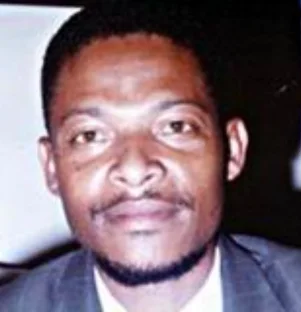
February 4, 2004Nasser Ismail Walli Kara was born in 1970 in Malawi. By the early 2000s, Kara was a politician and businessman. He served as a member of the National Assembly of Malawi for the opposition Malawi Congress Party, representing the central district of Dowa.
Kara was married to Liwoli Kara. In early 2002, Liwoli and her friend, Chimwemwe Kamfoso, disappeared. Police later said Kara gave a written confession claiming he had killed both women because he believed they had stolen money from his business. Reports stated that the women’s bodies were allegedly dumped in a crocodile-infested river, but their remains were not recovered.
Kara’s driver, Alexander Mbewe, later became central to the case. Police and trial witnesses said Mbewe had information that could incriminate Kara in the women’s disappearance. Reports stated that Kara had tried to keep Mbewe quiet with money and benefits, but Mbewe later attempted to blackmail him.
In early 2002, Nasser Kara’s wife, Liwoli, and her friend, Chimwemwe Kamfoso, disappeared in Malawi. Police later said Kara confessed that he had killed both women after accusing them of stealing money from his business. However, because their bodies were not found, the later murder trial centered on Kara’s driver, Alexander Kankhwani Mbewe.
According to reports, Mbewe knew damaging information about the disappearance of the two women. Police said Kara initially tried to silence him by giving him a house in Lilongwe and increasing his salary. Mbewe then allegedly demanded more money and began blackmailing Kara.
On or about March 6, 2002, Mbewe was killed. Reports stated that he was poisoned and beaten to death. His body was later found inside Kara’s Mercedes-Benz, which had been pushed into a river. The discovery led police to focus on Kara and his two bodyguards, Philip Singo and Charles Kulemeka.
Kara went into hiding after the body was found. Police arrested him on May 4, 2002, after a patrol spotted him hitchhiking in Blantyre. Police said he gave a written confession admitting involvement in the deaths of his wife, her friend, and his driver. Kara later denied that the confession was voluntary and claimed he had been coerced.
Kara, Singo, and Kulemeka were tried for Mbewe’s murder. Before trial, the defense argued that the accused should be tried separately and that their caution statements should be excluded. On April 8, 2003, Justice D.S.L. Kumange rejected those objections and ruled that the three accused would be tried together because the alleged murder was part of the same transaction.
The murder trial took place in Salima. The bodyguards admitted involvement in taking Mbewe to a remote area and beating him, but they claimed Kara had forced them through threats and promises of money. A jury convicted Kara by a 9–2 majority and acquitted both bodyguards. On February 4, 2004, Kara was sentenced to death by hanging, becoming the first sitting member of Malawi’s National Assembly to receive a death sentence.
Kara’s death sentence was later reduced during Malawi’s resentencing process after legal challenges to mandatory death sentences. His sentence was reduced to 30 years, and he was released from Zomba Central Prison on August 3, 2021, after about 20 years in custody.
