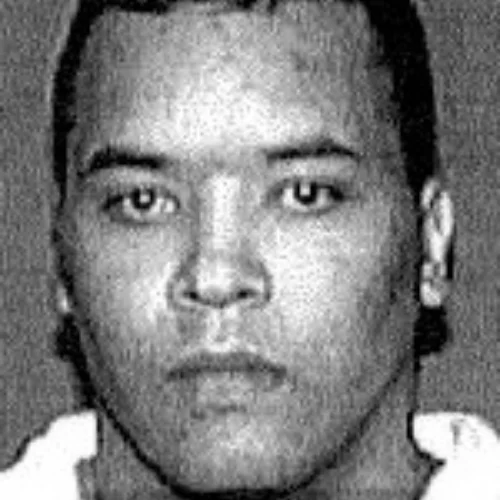
b: 1974
Summary
Name:
Nanon McKewn WilliamsYears Active:
1992Birth:
August 02, 1974Status:
ImprisonedClass:
MurdererVictims:
1Method:
ShootingNationality:
USAb: 1974
Summary: Murderer
Name:
Nanon McKewn WilliamsStatus:
ImprisonedVictims:
1Method:
ShootingNationality:
USABirth:
August 02, 1974Years Active:
1992Date Convicted:
July 26, 1995Nanon McKewn Williams was born on August 2, 1974, in Texas, USA. His early life was marked by chaos and instability due to his family's involvement in crime. Nanon’s mother was incarcerated shortly after his birth because of drug-related activities. During her two-year prison sentence, Nanon was raised by his father, who was also soon jailed, leaving him without a stable parental figure until he was about five or six years old. After his mother remarried, her new husband continued the family’s involvement in drug trafficking.
Nanon's childhood was dangerous and traumatic. One of his earliest memories happened when he was five years old. He was stabbed in the leg by other children who were trying to steal his tricycle. By the age of seven, Nanon experienced a horrific event; he witnessed his uncle being shot in their home. He attempted to help his uncle and was covered in blood from his wounds.
When he was eleven, Nanon and his sister saw their parents being arrested during a raid by federal agents. This incident was traumatic, and the children were left to cope with the aftermath alone. By the time he was twelve, Nanon learned that his biological father had been shot dead. After this, Nanon’s family relied on welfare when his mother was released from prison.
Nanon struggled with depression and suicidal thoughts throughout his youth. He described his life as being filled with crime from an early age, stating, “I became a full time hustler, drug dealer and many other things, but I was never allowed to be innocent; I lost that the day I was born.” Despite these hardships, he continued to go to school and even attended a private school for a brief time, where he excelled in football and attracted interest from college scouts.
As a teenager, Nanon was repeatedly involved with the juvenile justice system. At seventeen years old, he was detained and extradited to Texas for a crime he claims he did not commit. He has remained incarcerated since that time. While in prison, Nanon has turned to writing and has published poetry, as well as a newsletter aimed at other young offenders on death row. Despite his difficult upbringing, he endeavored to express himself through his writing as he reflects on his life.
On May 14, 1992, Nanon McKewn Williams, then 17 years old, was involved in the shooting death of 19-year-old Adonius Collier in Harris County, Texas. The crime occurred during a drug deal at Hermann Park. Williams and several others went to the park with the intent to buy drugs. At some point during the deal, shots were fired. Adonius Collier was shot twice in the head, once with a .25 caliber pistol and then with a shotgun. Emmade Rasul, who was also present, was shot in the face but survived.
After the incident, Nanon Williams was arrested in August 1992 in California and later extradited to Texas. Witnesses testified against him, including Vaal Guevara, who claimed he had fired a gun during the confrontation. Allegations arose that Williams had stolen drugs from Collier after the shooting. However, no solid physical evidence connected him directly to the shooting of Collier. The bullets involved in the shooting were said to come from different guns.
During the trial, the jury convicted Williams based on testimonies and the prosecution's arguments. They did not consider other explanations for the facts, and no strong defense was presented regarding the reliability of the witnesses or the evidence. The defense argued that Williams did not shoot Collier, with evidence suggesting that the initial shot that hit Collier was fired from Guevara’s handgun.
On September 22, 1995, Nanon Williams was sentenced to death. His conviction raised serious questions about whether proper legal procedures were followed and whether he received adequate legal representation. In 2005, his death sentence was commuted to life in prison after ongoing debates about the appropriateness of capital punishment for a juvenile. Williams remains incarcerated, having turned to writing during his time in prison.
