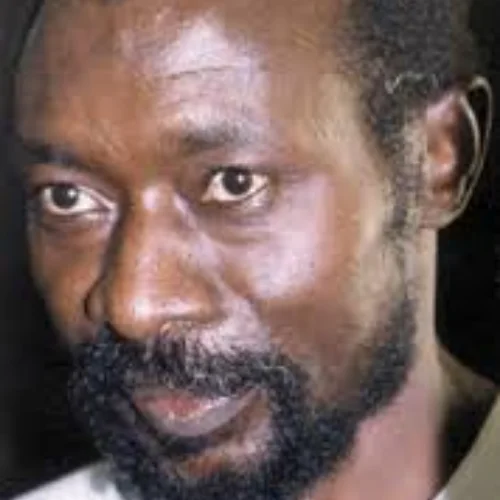
d: 2001
Summary
Name:
Mohammed Adam OmarNickname:
The Sanaa RipperYears Active:
1995 - 1999Status:
ExecutedClass:
MurdererVictims:
2Method:
Strangulation / BludgeoningDeath:
June 20, 2001Nationality:
Sudand: 2001
Summary: Murderer
Name:
Mohammed Adam OmarNickname:
The Sanaa RipperStatus:
ExecutedVictims:
2Method:
Strangulation / BludgeoningNationality:
SudanDeath:
June 20, 2001Years Active:
1995 - 1999Date Convicted:
November 20, 2000“I regret what I did and executing me will purify me from my sins.”
— Mohammed Adam Omar
Mohammed Adam Omar was born in 1952 in Sudan. As a young boy, he reportedly showed violent tendencies and took pleasure in killing small animals, such as rabbits. This interest in violence would later evolve into much darker behaviors.
After completing his basic education, Omar pursued a career in the medical field. He eventually became a morgue assistant at the University of Sanaa in Yemen. His job there allowed him access to the bodies of deceased individuals. Omar's work in the morgue gave him unique opportunities, but it also raised questions about his conduct and ethics.
Due to his behavior and actions, he faced various issues throughout his life. He had been arrested previously in Lebanon for similar charges. He also lived in Kuwait and Jordan for a time, but immigration issues led to his expulsion from both countries.
In 1995, Omar committed his first known murder in Yemen. Over the following years, he continued to live in Sanaa, where he would eventually become involved in a series of disturbing crimes.
Mohammed Adam Omar, known as "The Sanaa Ripper," was a morgue assistant in Sanaa, Yemen. Between 1995 and 1999, he committed a series of murders that shocked the nation. Omar was a suspect in the deaths of young women, many of whom were students at the nearby Sanaa University.
His arrest came on May 15, 2000, after the mother of an Iraqi student reported her daughter missing. The police investigated and discovered evidence linking Omar to her disappearance. It turned out he had lured several women to the morgue under false pretenses. Once inside, he would strangle them and then dispose of their bodies in horrific ways.
During his confession, he initially claimed to have killed 16 women, eight of whom were students. However, he later alleged that he killed many more women across several countries, including Sudan, Kuwait, and Lebanon. Investigators uncovered remains of multiple victims near the university and in its sewage system. Some of these remains were found dismembered or dissolved in chemicals, indicating the gruesome nature of his crimes.
Omar faced trial in late 2000 and was convicted of murdering two women: a Yemeni and an Iraqi medical student. The investigation revealed a long history of complaints against him that were ignored by university officials. Following his conviction, Omar was sentenced to death by firing squad. He was executed on June 20, 2001. His trial and execution drew significant media attention and sparked protests from students blaming university authorities for failing to protect them.
