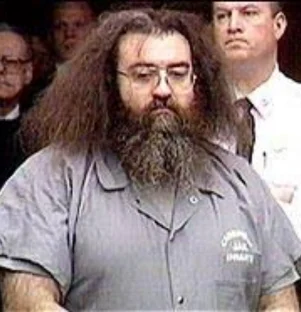
b: 1958
Summary
Name:
Michael McDermottNickname:
The Dot Com Killer / MuckoYears Active:
2000Birth:
September 04, 1958Status:
ImprisonedClass:
Mass MurdererVictims:
7Method:
ShootingNationality:
USAb: 1958
Summary: Mass Murderer
Name:
Michael McDermottNickname:
The Dot Com Killer / MuckoStatus:
ImprisonedVictims:
7Method:
ShootingNationality:
USABirth:
September 04, 1958Years Active:
2000Date Convicted:
April 24, 2002Michael McDermott was born on September 4, 1958, in Plymouth, Massachusetts. He later changed his surname from Martinez to McDermott. After joining the U.S. Navy in 1978, he served aboard the nuclear submarine USS Narwhal and was honorably discharged.
After military service, he worked at the Maine Yankee nuclear plant and later held technical positions, including work at Duracell. He eventually moved into the software field and was hired by Edgewater Technology in 2000.
People who knew him often described him as intelligent but socially distant, eccentric, and private. He also had a history of mental health problems, including a prior suicide attempt and psychiatric treatment. By late 2000, he was facing serious financial difficulties, tax debt, and wage garnishment.
On December 26, 2000, the day after Christmas, Michael McDermott entered the offices of Edgewater Technology in Wakefield carrying several firearms and extra ammunition he had hidden in the building earlier. Just after 11:00 a.m., he began moving through the office and opened fire on co-workers in different departments. Investigators later said the attack was deliberate and targeted, with victims selected in reception, human resources, hallways, and accounting rather than random employees. In only a few minutes, seven workers were killed: Janice Haggerty, Jennifer Bragg Capobianco, Cheryl Troy, Rose Manfredi, Louis Javelle, Paul Marceau, and Craig Wood.
When police arrived, McDermott was found sitting calmly in the reception area and surrendered without resistance. During his 2002 trial, the defense claimed he was legally insane, pointing to bizarre statements that he had traveled through time to kill Nazis and believed he was in purgatory. Prosecutors argued the killings were driven by financial problems, IRS wage garnishment, and anger toward the departments involved in his pay dispute. The jury rejected the insanity defense, found him guilty of seven counts of first-degree murder, and he was sentenced to seven consecutive life terms without parole.
