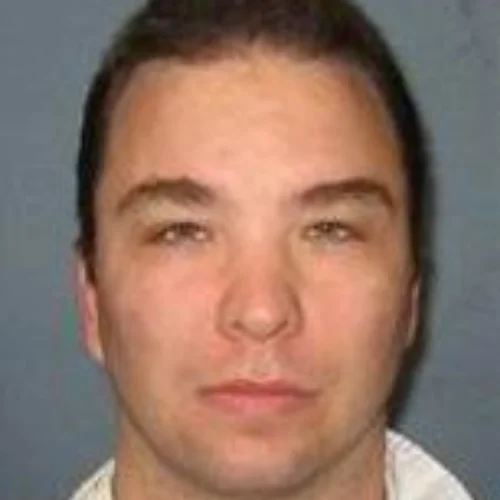
1969 - 2010
Summary
Name:
Michael Jeffrey LandNickname:
Jeff LandYears Active:
1992Birth:
May 23, 1969Status:
ExecutedClass:
MurdererVictims:
1Method:
ShootingDeath:
August 12, 2010Nationality:
USA1969 - 2010
Summary: Murderer
Name:
Michael Jeffrey LandNickname:
Jeff LandStatus:
ExecutedVictims:
1Method:
ShootingNationality:
USABirth:
May 23, 1969Death:
August 12, 2010Years Active:
1992Date Convicted:
August 13, 1993Michael Jeffrey Land was born on May 23, 1969. He lived in Alabama and was 22 years old when Candace Brown was killed in May 1992. Before the murder, Land had already been involved with the criminal justice system. News reports stated that he had previously been to prison twice for receiving stolen property. At the time of the crime, he had a connection to Candace Brown through prison ministry. Brown had briefly met him while visiting a friend of his in prison as part of her ministry work. She later named Land as a suspect in an earlier burglary of her home, during which her purse was stolen.
Land was working at the Riverchase Galleria at the time police located him during the investigation. Detectives found him there on May 19, 1992, while he was repairing the mall roof. He agreed to go with the detectives to the police station for questioning. During the first interview, Land said he knew Candace Brown but claimed he had not seen her in about a week. He also denied knowing anything about the burglary connected to her disappearance. However, he admitted that he had burglarized her house several days earlier, on May 13, 1992, and that he had cut the phone lines during that earlier burglary.
Land’s mother was also connected to law enforcement. Court records and later reports identify her as a Birmingham police officer. Her name and phone number, along with Land’s, were found written on a note inside Candace Brown’s home after she disappeared. This became one of the early pieces of information that led police to contact Land during the investigation.
By May 1992, Land was known to Brown as a casual acquaintance, but available court and news sources do not show that they had a close personal relationship. Brown was a 30-year-old mother with a two-year-old son. She worked and was also involved in religious ministry, including prison ministry. On the night before she disappeared, Brown had gone to her parents’ home to pick up her son. Her family later followed her home because her house had recently been burglarized. After checking that the house was secure, they left her residence at about 9:00 p.m.
On May 18, 1992, Candace Brown returned to her home in Jefferson County, Alabama, with her two-year-old son. Her home had been burglarized a few days earlier, so her mother and brother followed her home to help check the house. After they believed everything was safe, they left around 9:00 p.m.
The next morning, May 19, 1992, Brown did not go to work. Her landlord came to the property and noticed signs of a break-in. A back window was broken, the telephone wires had been cut, and the window of Brown’s car was damaged. Police were called to the home.
When officers entered the house, they found Brown’s two-year-old son alone but unharmed. A puppy was also inside. Brown was missing. Investigators found a shoe print on broken glass near the back of the house. The print had a clear tread pattern that appeared to show the letters “USA.” Police also found a note on a bulletin board with Michael Jeffrey Land’s name and phone number.
Detectives found Land later that day at the Riverchase Galleria, where he was working. He agreed to go to the police station for questioning. At first, Land said he knew Brown but had not seen her for about a week. He also gave police an alibi. Later, investigators found problems with his story.
During the interview, a detective noticed what looked like blood on Land’s shoes. The tread on the shoes also appeared to match the print found on the broken glass at Brown’s home. When police confronted Land with the evidence, he changed his story.
Land then claimed that two men had asked him if he knew an easy house to burglarize. He said he suggested Brown’s home and was paid $20 to cut the glass so the men could enter. He claimed Brown woke up during the break-in, one of the men knocked her down, and he became scared and left. Police did not accept this explanation.
Land also admitted that his car was parked at the Galleria. When police searched it, they found a .45-caliber handgun, wire cutters, and gloves with small glass pieces on them. Land was arrested on May 19, 1992.
The next day, May 20, 1992, hikers found Candace Brown’s body in a rock quarry on Ruffner Mountain. She had been shot once in the back of the head. Forensic testing later showed that the bullet was fired from the .45-caliber handgun found in Land’s car. Investigators also linked the wire cutters to the cut phone lines at Brown’s home. Glass found on the gloves was consistent with glass from the broken windows, and DNA evidence connected Land to Brown’s clothing.
Land was charged with capital murder. On August 13, 1993, he was convicted of two counts of capital murder: murder during a burglary and murder during a kidnapping. The jury recommended a death sentence, and on December 2, 1993, the judge sentenced him to death.
Land appealed his conviction and sentence for many years, but the courts upheld both. His attorneys later asked for clemency, but Governor Bob Riley denied the request. The Alabama Supreme Court and the United States Supreme Court also refused to stop the execution. Michael Jeffrey Land was executed by lethal injection at Holman Correctional Facility in Atmore, Alabama, on August 12, 2010. He was 41 years old.
