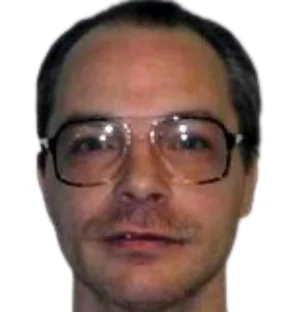
Summary
Name:
Michael Hampton SonnerYears Active:
1993Status:
Awaiting ExecutionClass:
MurdererVictims:
3Method:
ShootingNationality:
USASummary: Murderer
Name:
Michael Hampton SonnerStatus:
Awaiting ExecutionVictims:
3Method:
ShootingNationality:
USAYears Active:
1993Date Convicted:
October 28, 1994“I shot him for the death penalty; I’m going to ask for a speedy trial.”
— Michael Hampton Sonner
Michael Hampton Sonner was born in 1968. He grew up in North Carolina. As he grew older, Sonner became involved in crime. He had multiple felony convictions, including robbery and assault. By his late teens, he was engaging in increasingly serious offenses. At one point, he was incarcerated in a North Carolina jail. Sonner managed to escape from jail, which set the stage for a nationwide crime spree.
In November 1993, he traveled across state lines after his escape. He committed various crimes along the way, including violent acts. His actions during this time would lead him to a tragic confrontation with law enforcement.
Sonner's life took a drastic turn when he was involved in a robbery attempt. He shot and killed two individuals during this incident. Four days later, he encountered a Nevada Highway Patrol trooper. This encounter would ultimately lead to his arrest and conviction.
On November 30, 1993, Michael Hampton Sonner was involved in a series of violent crimes that led to the death of Nevada Highway Patrol Trooper Carlos J. Borland. Earlier that evening, Sonner filled his vehicle with $22 worth of gasoline at a truck stop in Lovelock, Nevada, and drove away without paying. Trooper Borland stopped Sonner's vehicle shortly thereafter, suspecting him of theft.
During the traffic stop, Sonner shot Borland in the head with a .38 caliber revolver. After firing the shot, Sonner fled the scene as Borland fell onto the highway. Despite attempts by other drivers to assist the fallen officer, Borland succumbed to his injuries and was pronounced dead at 3:05 a.m. on December 1, 1993.

After the shooting, law enforcement agencies initiated an extensive manhunt for Sonner. This 25-hour search included police dogs, SWAT teams, and helicopters. At approximately 10 p.m. on the same day, Sonner was located, and officers confronted him. The standoff ended with Sonner's arrest.
Following his capture, Sonner was tried and convicted of first-degree murder and other offenses in September 1994. He was sentenced to death on October 28, 1994. The court also classified him as a habitual criminal due to his history of violent offenses, which included previous convictions for robbery, assault, and additional murders committed in Texas just days before Borland’s shooting.
