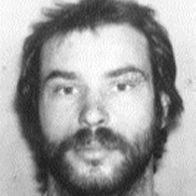
1958 - 1984
Summary
Name:
Michael Alan SilkaYears Active:
1984Birth:
August 20, 1958Status:
DeceasedClass:
MurdererVictims:
9Method:
ShootingDeath:
May 19, 1984Nationality:
USA1958 - 1984
Summary: Murderer
Name:
Michael Alan SilkaStatus:
DeceasedVictims:
9Method:
ShootingNationality:
USABirth:
August 20, 1958Death:
May 19, 1984Years Active:
1984Michael Alan Silka was born on August 20, 1958, and grew up in the northwest suburbs of Chicago, Illinois, particularly in Hoffman Estates. From a young age, Silka developed a fascination with firearms and wilderness survival. His early interest in the outdoors was matched by a troubling pattern of delinquency. At just 17 years old, he was arrested along with another juvenile for attempting to steal camping gear and weapons from a sporting goods store in Des Plaines, Illinois.
In 1975, Silka and his brother briefly ran away to the Canadian wilderness, surviving until their supplies ran out. Later that year, Silka was arrested for carrying a black powder rifle in a suburban park and reoffended with the same behavior. He was convicted and fined $100. In 1977, shortly before finishing high school, he was again arrested for weapons violations.
Following these incidents, Silka enlisted in the U.S. Army, a decision encouraged by a family friend who believed military service might instill discipline. Silka was stationed at Fort Wainwright in Fairbanks, Alaska, in 1981, where he qualified as an expert marksman with the M16 rifle and grenade launcher. Despite his aptitude, he accumulated a series of military police encounters, including for assault and for discharging a firearm in a barracks. He was discharged later that year.
Returning to the Chicago area, Silka worked a series of construction jobs but continued to run afoul of the law. In 1982 and 1983, he was arrested multiple times for weapons violations and resisting arrest. After skipping a court appearance in October 1983, a warrant was issued for his arrest in December. Silka fled the state and made his way back to Alaska, likely arriving in early 1984, and was last known by family to be working somewhere in the state.
Silka’s killing spree began in Fairbanks, Alaska, in late April 1984, where he was living in a cabin in the Chena Ridge area. His neighbor, Roger Culp, went missing on April 28 or 29. Witnesses later reported hearing gunshots after Culp entered Silka’s cabin. Troopers initially visited the cabin after seeing what appeared to be blood and a mound of snow, but Silka told them it was moose blood, and they left without further investigation. When additional witness reports emerged, troopers returned with a search warrant on May 8, only to find Silka gone and human blood present. Culp’s body was never recovered.
Silka was next seen in Manley Hot Springs, a remote village of around 70 people, on May 14, 1984. He arrived driving a battered 1974 Dodge Monaco, carrying camping gear and a canoe. Silka camped at a boat landing on the Tanana River, three miles from the village, where locals frequently saw him paddling and practicing his shooting. Silka presented himself as a survivalist and "mountain man" and was initially well-received by the villagers for his knowledge of the wilderness.
On May 17, a group of six villagers, including men, a woman, and a young child, went down to the riverbank and disappeared. The missing included well-known residents such as Fred Burk, an experienced trapper, and Larry Joe McVey, a disabled Vietnam veteran. Concern grew when the group failed to return, and on May 18, troopers were notified. The license plate number of Silka’s vehicle linked him to the Fairbanks murder investigation.
By early morning on May 19, Alaska State Troopers launched a major aerial and ground search effort. Blood and spent casings were found at the boat landing. Helicopters and planes scoured the river system. That evening, Silka was located approximately 25 miles southeast of Manley Hot Springs, near the confluence of a tributary of the Zitziana River. Silka had stolen one of the victims’ boats and was armed with a Ruger .30-06 rifle.
As troopers prepared to apprehend him, Silka opened fire, shooting and killing Trooper Troy L. Duncan, who was aboard a helicopter. The pilot, Captain Donald Lawrence, was also wounded. Another trooper, Jeff Hall, fired back with an M16, striking Silka five times and killing him instantly.
A memorial was held on May 20 at the boat landing. Silka’s body was cremated and interred in Sitka National Cemetery, at the request of his father. By late June, four of the victims' bodies were recovered downstream in the Tanana River. Others were never found due to the river’s glacial depth, silt, and freezing temperatures. Troopers believe Silka intentionally dumped the bodies in hopes they would not be recovered.
The confirmed victims included Fred Burk, a 30-year-old Athabaskan homesteader and fur trapper; Albert Hagen Jr., a 27-year-old construction worker who had only recently returned to visit his parents; Joyce Klein, who was pregnant at the time; her husband, Lyman Klein, and their 2-year-old son, Marshall Klein; Dale Madajski, a 24-year-old cabin builder; and Larry Joe McVey, a 38-year-old disabled veteran. The suspected first victim was Roger Culp, Silka’s Fairbanks neighbor. The ninth victim, Alaska State Trooper Troy L. Duncan, was killed during the final confrontation in the wilderness.
