d: 1937
Summary
Name:
Max Mayer HaslamYears Active:
1936Status:
ExecutedClass:
MurdererVictims:
1Method:
Beating / bludgeoningDeath:
February 04, 1937Nationality:
United Kingdomd: 1937
Summary: Murderer
Name:
Max Mayer HaslamStatus:
ExecutedVictims:
1Method:
Beating / bludgeoningNationality:
United KingdomDeath:
February 04, 1937Years Active:
1936Date Convicted:
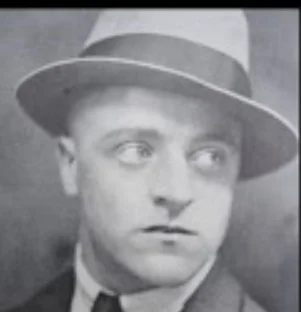
December 10, 1936Max Mayer Haslam was born in 1913 in the United Kingdom. By the time of the murder of Ruth Clarkson, Haslam was 23 years old and was already known to local police because of a record involving minor theft. Accounts of the case describe Haslam as a local man from the Nelson area of Lancashire. He was also repeatedly described in older reports as a very short man. This detail became part of the investigation because police were told that a short-statured man had been pawning or selling jewellery believed to be connected to Ruth Clarkson. The wording used in older reports reflected the language of the time, but the relevant point for the case was that his appearance helped investigators identify him as a suspect.
Before the murder, Haslam was reported to have recently been released from Strangeways Prison in Manchester. He was known to spend time in local pubs and lodging houses and associated with other men who later became witnesses in the case. Two of these men, Thomas Barlow and John William Davieson, later gave evidence at his trial. Their testimony connected Haslam to items taken from Ruth Clarkson’s home and to statements he allegedly made after the killing.
Haslam’s known criminal background before the Clarkson murder appears to have involved theft rather than homicide. There is no confirmed public record showing that he had killed anyone before Ruth Clarkson. His motive in the Clarkson case was treated as robbery, as jewellery and other valuables belonging to the victim were later linked to him.
Ruth Clarkson lived alone at 56 Clayton Street in Nelson, Lancashire. She was an elderly unmarried woman and was locally believed to have money and valuable jewellery despite living in poor domestic conditions. Reports stated that her home was cluttered and neglected, but that she owned valuable items. These rumours appear to have made her a target for robbery.
Ruth Clarkson was found dead inside her home at 56 Clayton Street, Nelson, Lancashire, on June 22, 1936. Neighbours had become concerned after not seeing her for several days. They also noticed that her dog had not been heard. Their concern was reported to police, and officers went to the property to check on her welfare.
When police entered the house, they found evidence that the back door had been forced and then relocked. Inside, officers discovered Clarkson’s body. She had suffered severe head injuries. A heavy tyre lever, a section of iron railing, and a bloodstained plank were found nearby and were believed to have been used in the attack. Her dog was later found upstairs, hanging from a bedpost.
The scene indicated that Clarkson had been attacked inside her home. Reports stated that blood was found in the room, and evidence suggested there had been a struggle. Jewellery and valuables were missing, which supported robbery as the motive. Although the body was found on June 22, 1936, some execution records list the murder date as June 19, 1936, suggesting Clarkson may have been killed several days before she was discovered.
During the early investigation, police learned that jewellery believed to belong to Clarkson had been pawned or offered for sale. Witness information led detectives to Max Mayer Haslam. He was arrested after police found him in Nelson with Thomas Barlow. When Haslam was searched, officers found jewellery in his possession. They also found a key. Haslam claimed the key belonged to his father’s house, but it was later tested and found to fit the back door of Ruth Clarkson’s home.
The police investigation produced several pieces of physical and witness evidence against Haslam. A bloody palm print found inside the house was matched to his right hand. Bloodstains were also found on one of his boots. Reports also stated that he had scratches on his body and a possible bite mark on one finger, which prosecutors connected to the struggle and the victim’s dog.
Thomas Barlow and John William Davieson became important prosecution witnesses. Both men were connected to Haslam through local lodging houses and social contact. They told the court that Haslam had shown them items he said he had stolen. Barlow also testified that Haslam had offered him money to help move or dispose of a body. Their evidence helped the prosecution link Haslam to the robbery and killing.
Haslam’s defence attempted to shift suspicion toward Barlow and Davieson. His lawyers argued that the two men may have visited Clarkson’s house earlier and could have been responsible for the robbery and murder. The defence also challenged the prosecution’s timeline and presented an alibi that placed Haslam at a cricket match. The jury rejected the defence case.
Haslam stood trial at Manchester Assizes in December 1936 before Mr Justice Lawrence. The trial lasted two days. The prosecution presented witness statements, evidence about the jewellery, the key found on Haslam, the blood evidence, the palm print, and testimony linking him to statements made after the crime. On December 10, 1936, the jury found Haslam guilty of murdering Ruth Clarkson. He was sentenced to death.
An appeal was reported in January 1937, but it did not stop the sentence from being carried out. Haslam remained under sentence of death at Strangeways Prison in Manchester. He was executed by hanging on February 4, 1937.
Max Mayer Haslam died at the age of 23. His case is recorded as a robbery-related murder in which Ruth Clarkson was beaten to death inside her own home. The case also involved the killing of Clarkson’s dog and the theft of jewellery from the property. Haslam’s final legal status was executed after conviction for murder.
