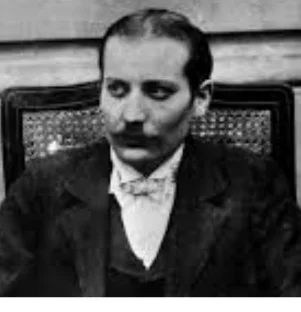
1875 - 1902
Summary
Name:
Mathias KneißlNickname:
Räuber Kneißl / Kneißl Hias / Raiba KneißlYears Active:
1900Birth:
August 04, 1875Status:
ExecutedClass:
MurdererVictims:
2Method:
ShootingDeath:
February 21, 1902Nationality:
Germany1875 - 1902
Summary: Murderer
Name:
Mathias KneißlNickname:
Räuber Kneißl / Kneißl Hias / Raiba KneißlStatus:
ExecutedVictims:
2Method:
ShootingNationality:
GermanyBirth:
August 04, 1875Death:
February 21, 1902Years Active:
1900“I cannot bend, I would rather kill myself.”
— Mathias Kneißl
Mathias Kneißl was born in 1875 in Unterweikertshofen, Bavaria. He grew up in a poor family and was the eldest child. His parents first ran an inn and later moved to the Schachenmühle near Sulzemoos. The family home became a hub for poachers and stolen goods, drawing police attention.
Kneißl was first imprisoned as a teenager after his family was suspected in cattle theft and other crimes. His father died in police custody in 1892, and his mother also faced imprisonment. Kneißl later joined his brothers in poaching and robberies. In 1893, he was arrested again and sentenced to more than five years in prison. After his release in February 1899, he tried to work as a carpenter, but his reputation made it difficult for him to keep employment.
After losing work, Kneißl returned to crime. He committed robberies, traveled through rural Bavaria, and became the subject of a police manhunt. Among poor rural people, he became a folk figure because he repeatedly escaped police and was seen by some as a rebel against harsh authorities. However, the confirmed criminal record shows that he was convicted of murder and violent robberies, not simply remembered as a folk hero.
On November 30, 1900, police attempted to arrest Mathias Kneißl at Irchenbrunn near Altomünster, Bavaria. During the arrest attempt, a gunfight broke out. Two gendarmes were shot and badly wounded. Both later died from their injuries, and Kneißl escaped.
After the shooting, Kneißl became one of Bavaria’s most wanted men. Police searched for him for months, and a reward was offered for information leading to his capture. Despite the pressure, he remained hidden with the help of people in the countryside. His ability to evade police increased his public reputation, especially among poor farmers who already distrusted state authority.
In March 1901, police finally surrounded Kneißl at Geisenhofen/Egenhofen. A large force of officers took part in the operation. During the capture, Kneißl was seriously wounded by gunfire, including injuries to his abdomen and arm. He survived after medical treatment and was later brought to trial in Augsburg.
Kneißl’s trial took place from November 14 to November 19, 1901. He admitted many of the crimes but denied that he had intended to kill the two policemen. The jury convicted him of murder, bodily injury resulting in death, armed robbery, and extortion. He was sentenced to death for murder and to 15 years in prison for the other crimes.
His death sentence was reviewed and confirmed by the Bavarian Ministry of Justice. On the morning of February 21, 1902, Mathias Kneißl was executed by guillotine in Augsburg. He was 26 years old. After his death, he remained a major figure in Bavarian folklore, remembered both as a convicted murderer and as a romanticized rural outlaw.
