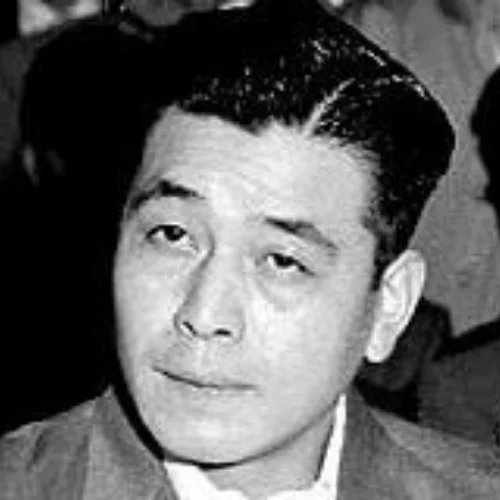
1926 - 2015
Summary
Name:
Masaru OkunishiYears Active:
1961Birth:
January 14, 1926Status:
DeceasedClass:
Mass MurdererVictims:
5Method:
PoisoningDeath:
October 04, 2015Nationality:
Japan1926 - 2015
Summary: Mass Murderer
Name:
Masaru OkunishiStatus:
DeceasedVictims:
5Method:
PoisoningNationality:
JapanBirth:
January 14, 1926Death:
October 04, 2015Years Active:
1961Date Convicted:
September 10, 1969Masaru Okunishi was born in 1926 in Japan. He lived in a remote mountain village called Kuzuo in Nabari city, which is located in Mie Prefecture. Okunishi worked as a farmer in this small community. The village was tight-knit, and everyone knew each other well.
As a farmer, his life would have been focused on agriculture, working the land, and taking care of livestock, like many people in rural Japan at that time.
In March 1961, Okunishi became involved in a tragic event in his village. On March 28, five women, including his wife, died after drinking wine that had been poisoned with pesticide. Okunishi was the one who carried the wine from the house of the local community chief to the community center where it was served.
Following the tragic deaths, the local authorities began to suspect foul play. They thought that someone from the village was responsible for the poisoning. Okunishi came under investigation and faced intense scrutiny. He endured more than three days of harsh interrogation by police, which is quite common in Japan when dealing with serious crimes.
On April 2, 1961, after long hours of questioning, Okunishi allegedly confessed to the crime. He was arrested the next day on April 3. This confession arose under pressure, and many villagers quickly turned against him, spreading rumors of his guilt.
Despite the strong accusations, there was a lack of solid evidence linking Okunishi to the crime. No eyewitnesses came forward, and only a wine stopper with what was claimed to be Okunishi's bite marks was found as evidence. Law enforcement relied on witness statements that suggested Okunishi was the only one who could have accessed the wine before it was served.
Okunishi's case went to trial, and in 1964, he was acquitted due to inconsistencies in the witness testimonies and doubts regarding the evidence against him. However, the prosecution appealed this decision, leading to a new trial that would take years to unfold.
On March 28, 1961, in Kuzuo, a village in Nabari city, Mie, Japan, Masaru Okunishi was accused of poisoning to death five women, including his wife. It was alleged that he mixed pesticide into their wine. Okunishi, a farmer, had carried the wine from the community chief’s house to the local community center.
After the poisoning was discovered, authorities launched an investigation. During this investigation, Okunishi faced more than three days of intense police interrogation. It was said that the harsh interrogation tactics led him to provide a confession on the night of April 2, 1961. He was arrested the following day on April 3.
Once he was arrested, the villagers turned against Okunishi. Rumors circulated about his guilt, and there was a strong desire within the community for him to be punished. However, evidence connecting Okunishi to the crime was limited. The main evidence was a wine stopper that was found at the community center which was claimed to have Okunishi’s teeth marks on it. There were no eyewitnesses to the crime.
The case went to trial at the Tsu District Court. In 1964, the court acquitted Okunishi, pointing to inconsistencies in witness statements and questioning the reliability of the forensic evidence. The court also deemed his confession to be unnatural and unreasonable. Nonetheless, the prosecution appealed the decision.
In 1969, the Nagoya High Court reversed the acquittal, convicting Okunishi and sentencing him to death. The court stated that circumstantial evidence suggested he had the opportunity to commit the crime. They ruled that the forensic evidence from the wine stopper matched Okunishi’s dental structure. Although this evidence was later revealed to be flawed, it played a crucial role in his conviction.
Following his conviction, Okunishi appealed to the Supreme Court, but his appeal was dismissed in 1972. He continued to seek retrials, filing petitions that were initially dismissed. In 2005, after a long battle, a Nagoya Appeal Court granted him a retrial. New forensic evidence suggested that the pesticide used was not consistent with what he had allegedly confessed to using.
However, in 2006, another panel of the same court reversed the decision for the retrial. Okunishi's challenges continued in the Supreme Court, which has yet to reach a conclusion on his case. Throughout this process, the accusations against Okunishi and the subsequent legal battles have raised questions about the fairness and reliability of the justice system in Japan.
Masaru Okunishi was diagnosed with stomach cancer in 2003, transferred to Hachiōji Prison Hospital in 2012, and died there in October 04, 2015 at age 89.
