d: 1866
Summary
Name:
Martha GrinderNickname:
The Pittsburgh PoisonerYears Active:
1864 - 1865Status:
ExecutedClass:
MurdererVictims:
2Method:
PoisoningDeath:
January 19, 1866Nationality:
USAd: 1866
Summary: Murderer
Name:
Martha GrinderNickname:
The Pittsburgh PoisonerStatus:
ExecutedVictims:
2Method:
PoisoningNationality:
USADeath:
January 19, 1866Years Active:
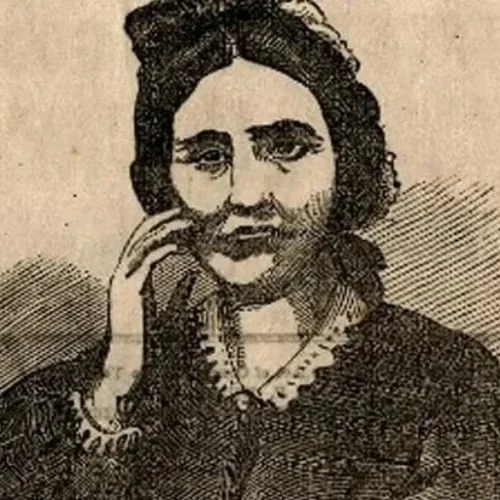
1864 - 1865Martha Grinder was born in 1815. Not much is known about her early years, but she later lived in Pittsburgh, Pennsylvania. She was married and had a young daughter. The family started off very poor but soon their situation changed. After about six months in Pittsburgh, Martha and her husband moved to a nicer house. They began to live more comfortably and Martha became known for her charm and social skills.
She became a part of her local community and attended the Ames' Methodist Episcopal Church. However, she lost the trust of the congregation after some time and eventually left the church. Martha claimed to have connections to a wealthy former governor of Indiana, saying he promised to help support her children. This story helped explain her sudden change in wealth.
Martha was known to be friendly and sociable. Her household welcomed friends and neighbors, but over time, some began to distrust her. Concerning events began to unfold around her, including the strange illnesses and deaths of several people close to her, which raised suspicion in the community. Despite appearances, her life was marked by complexities that would eventually lead to her notoriety.
Martha Grinder, known as "The Pittsburgh Poisoner," was convicted of murdering two women through poisoning. Her first victim was Jane R. Buchanan, who died on February 28, 1864. Jane had worked as a domestic servant before she was suddenly taken ill the night after starting to work for Martha. Jane's symptoms included violent vomiting and diarrhea. Despite the efforts of friends, she declined medical assistance and died two days later. During the investigation, suspicion arose when Jane's belongings, including money and jewelry, were found missing after her death.
Martha's second victim was Mary Caroline Caruthers, who died on August 1, 1865. Mary also became ill after dining at Martha's home. Similar to Jane, she suffered from vomiting and other severe symptoms. Both she and her husband became sick after consuming food prepared by Martha. After a rigorous examination of Martha's house, officers discovered a white powder that was later identified as poison.
Following Mary’s death, a search revealed that Martha had purchased the poison in large quantities. Authorities decided to exhume Mary’s remains for further analysis. Testing confirmed the presence of arsenic and antimony in her body.
Martha was arrested on August 24, 1865, after Mary’s husband filed charges. Her trial began on October 23, 1865, capturing significant public interest due to the nature of the crimes. The evidence presented was circumstantial, yet strong enough for the jury to find her guilty of first-degree murder shortly after deliberation.
On November 25, 1865, she was sentenced to death. Martha maintained her innocence throughout the trial but confessed to poisoning both women shortly before her execution on January 19, 1866. During her final moments, she acknowledged her guilt in the deaths of Jane and Mary but denied involvement in other allegations against her. She was executed by hanging, concluding a case marked by deception and tragedy.
