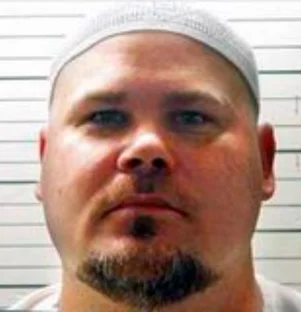
1970 - 2020
Summary
Name:
Marlon Duane KiserYears Active:
2001Birth:
February 18, 1970Status:
DeceasedClass:
MurdererVictims:
1Method:
ShootingDeath:
September 30, 2020Nationality:
USA1970 - 2020
Summary: Murderer
Name:
Marlon Duane KiserStatus:
DeceasedVictims:
1Method:
ShootingNationality:
USABirth:
February 18, 1970Death:
September 30, 2020Years Active:
2001Date Convicted:
November 20, 2003“It is my belief that there is nothing that can be said on my behalf or by anyone that knows me to change anybody’s mind.”
— Marlon Duane Kiser
Marlon Duane Kiser was born on February 18, 1970, in the state of Tennessee to his parents, the late Harlon and Vicki Kiser. Growing up in the East Tennessee area alongside his brother, Harlon Wayne Kiser Jr., and his sister, Kimberly Carlock, Kiser lived a relatively ordinary early life in Cleveland, Tennessee. During his youth and early adulthood, he was known by his family and peers as "Duane," and he developed hobbies that included a deep love for watching football, playing card and video games, and engaging in arts and crafts.
He eventually married his wife, Melissa Kiser, and attempted to build a routine life in the Hamilton County area. However, his personal life grew increasingly unstable as he drifted into financial strain and volatile living arrangements, eventually moving into a home on Brainerd Road in Chattanooga with a roommate named Mike Chattin—a turbulent domestic situation that ultimately set the stage for the tragic 2001 ambush of Deputy Donald Bond and Kiser's subsequent lifetime on death row.
In the early morning hours of September 6, 2001, Hamilton County Sheriff’s Deputy Donald Kenneth Bond Jr. was on patrol in the East Brainerd area of Chattanooga, Tennessee. He came across activity near Nunley’s fruit stand. Prosecutors said Kiser was attempting to set fire to the fruit stand when Bond interrupted him.
Bond was shot several times with a high-powered assault rifle. His body was found in the fruit stand parking lot, and parts of his bulletproof vest and his service weapon were missing. Officers also detected the smell of gasoline near the scene, and investigators later found evidence linking the crime scene to Kiser’s clothing, rifle, and other items.
Kiser was arrested later that same morning at James Michael Chattin’s house. Police found Deputy Bond’s service weapon, part of Bond’s bulletproof vest, dark clothing, and Kiser’s MAK-90 rifle near or inside the home. Forensic testing showed that shell casings from the scene and bullet fragments from Bond’s body had been fired from Kiser’s rifle. Gunshot residue was also found on Kiser’s hands.
Chattin became a key witness for the prosecution. He testified that Kiser came to him after the shooting and said he had killed a police officer. According to Chattin, Kiser said the killing gave him “stress relief” and described taking Bond’s weapon and part of his vest. Kiser’s defense argued that Chattin was the actual killer and had framed him, pointing to Chattin’s drug use, weapons, and alleged threats involving police.
A jury convicted Kiser in November 2003 of first-degree premeditated murder and two counts of felony murder, all involving Deputy Bond. The jury sentenced him to death after finding that Bond was a law-enforcement officer killed while performing official duties, and that Kiser knew or reasonably should have known Bond was an officer. The Tennessee Supreme Court later ordered the convictions merged into a single first-degree murder conviction but upheld the death sentence.
Kiser continued to challenge his conviction and sentence, arguing ineffective assistance of counsel, newly discovered evidence, and claims that another person committed the murder. His post-conviction and coram nobis petitions were denied.
Kiser was never executed. He died at Riverbend Maximum Security Institution in Nashville on September 30, 2020, at age 50, while still under a Tennessee death sentence.
