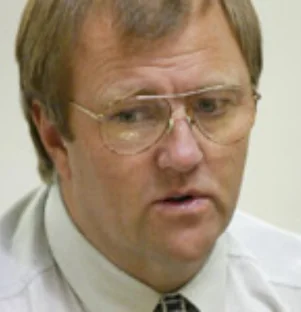
Summary
Name:
Mark Edward LundyYears Active:
2000Status:
ReleasedClass:
MurdererVictims:
2Method:
Beating / BludgeoningNationality:
New ZealandSummary: Murderer
Name:
Mark Edward LundyStatus:
ReleasedVictims:
2Method:
Beating / BludgeoningNationality:
New ZealandYears Active:
2000Date Convicted:
March 20, 2002“I definitely did not.”
— Mark Edward Lundy
Mark Edward Lundy was born in 1956 in New Zealand. Before the murders, he lived in Palmerston North with his wife, Christine, and their daughter, Amber. He worked as a salesman and was involved in business ventures, including a kitchen-fitting business and a wine-related project.
By 2000, Lundy was under financial pressure. He was involved in a vineyard investment plan connected to land in Hawke’s Bay, and the prosecution later argued that his financial problems gave him a possible motive. Lundy told police he had cash-flow problems, but he also maintained that his marriage was happy and that he loved his wife and daughter.
On August 29, 2000, Lundy was away on business in the Wellington area. He checked into a motel in Petone and spoke to Christine and Amber by phone around 5:30 p.m. That call became important because the prosecution later argued he left Petone, drove to Palmerston North, killed his wife and daughter, and returned to Petone that night.
Lundy denied leaving the Wellington area that evening. He said he spent time reading in his car near the Petone foreshore, returned to his motel, drank rum, watched television, and later contacted an escort agency. He has continued to deny murdering Christine and Amber.
The murders happened on the night of August 29, 2000, at the Lundy family home in Karamea Crescent, Palmerston North, New Zealand. Christine Lundy and her daughter Amber had been seen earlier that evening, and evidence later showed they bought McDonald’s food around 5:45 p.m.
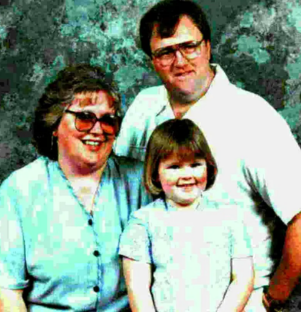
The next morning, August 30, 2000, Christine’s brother, James Glenn Weggery, went to the house after concerns were raised when family members could not reach Christine or Amber. He entered the home and discovered Amber’s body near the doorway of the master bedroom. He then saw Christine’s body on the bed. Both victims had suffered severe head injuries.

Investigators believed the murder weapon was a tomahawk-like axe or hatchet, but the weapon was never found. Police also searched waterways and other areas for missing evidence, including the weapon, clothing, and a missing jewellery box.

The prosecution’s original theory was that Lundy drove at high speed from Petone to Palmerston North after speaking to his wife and daughter, killed them, staged the home to look like a burglary, and returned to Petone in time to make later calls. The timing of that alleged return trip became one of the most disputed parts of the case.
A key piece of evidence was a polo shirt found in Lundy’s car. At the first trial, experts testified that biological material on the shirt was brain or spinal cord tissue from Christine Lundy. The Crown argued that this connected Lundy directly to the attack. The defence argued that the evidence could have been contaminated while in police custody.
Lundy was arrested on February 23, 2001, about six months after the murders. His trial began in 2002 in the High Court at Palmerston North. On March 20, 2002, he was found guilty of murdering Christine and Amber. He was sentenced to life imprisonment with a 17-year minimum non-parole period. Later that year, the Court of Appeal dismissed his conviction appeal and increased the minimum non-parole period to 20 years.
In 2013, the Privy Council quashed Lundy’s convictions and ordered a retrial. The Privy Council found serious issues around the original scientific evidence, especially the reliability and disclosure of evidence connected to the tissue testing.
At the 2015 retrial, the Crown changed its timeline. Instead of arguing that Lundy made the trip around 7 p.m., prosecutors argued he made the drive later in the night after his contact with a sex worker. The second jury again found Lundy guilty of both murders on April 1, 2015.
Lundy continued to maintain his innocence. His later appeals were unsuccessful, but the case remained controversial because of the disputed forensic evidence, the changing Crown timeline, the missing murder weapon, and questions about whether the original alleged travel schedule was realistic.
In 2022, New Zealand’s Criminal Cases Review Commission agreed to investigate his case. In April 2025, the New Zealand Parole Board granted Lundy parole after he served more than 20 years in prison. The Board noted that he had completed alcohol-related treatment, had a safety plan, and had been assessed as a low risk of reoffending, while also imposing strict release conditions.
