
Summary
Name:
Mario José Redondo LlenasNickname:
Redondo LlenasYears Active:
1996Status:
ImprisonedClass:
MurdererVictims:
1Method:
StabbingNationality:
Dominican RepublicSummary: Murderer
Name:
Mario José Redondo LlenasNickname:
Redondo LlenasStatus:
ImprisonedVictims:
1Method:
StabbingNationality:
Dominican RepublicYears Active:
1996Mario José Redondo Llenas was born in 1978 in the Dominican Republic. He grew up in Santo Domingo, a bustling city and the capital of the Dominican Republic. As he was growing up, he was known to be part of a middle to upper-class family. Being part of this social class often meant that families had connections to influential people and networks.
Mario was related to José Rafael Llenas Aybar, a boy who would later become the victim in a high-profile murder case. Although they were cousins, the relationship details and experiences they shared in childhood are not heavily documented. It is assumed that they spent time together, as many cousins do.
As a teenager, Mario became involved with other young people who would influence his life in significant ways. He graduated from high school and was about 18 years old at the time that he became involved in serious legal troubles. This period of transition from a carefree youth to a troubled young adult marked a significant change in his life trajectory.
He was said to have navigated complex social environments and relationships with relatives and friends. Despite being a trusted member of his family, events starting in his late teenage years would alter this perception dramatically.
Mario’s life changed forever by the time he reached early adulthood. The decisions he made as a young adult would lead to a legal battle that shocked many in the Dominican Republic.
On May 3, 1996, a tragic event occurred in the Dominican Republic. Twelve-year-old José Rafael Llenas Aybar was reported missing. His family, who belonged to a middle-upper-class background, was alarmed by his disappearance. The next day, on May 4, 1996, his body was found in a creek bed, about 24 kilometers northwest of Santo Domingo.
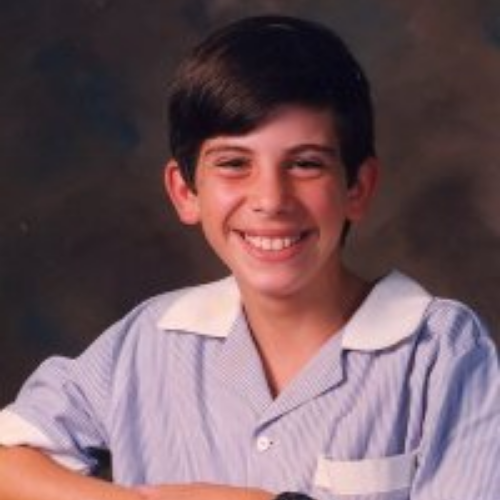
José's body was bound with duct tape and had suffered thirty-four stab wounds. The gruesome nature of the murder drew significant media attention and public outrage. Mario José Redondo Llenas, a cousin of the victim, became one of the main suspects in the case.
The investigation faced numerous challenges. The scene where José was found was disturbed by many people before the authorities secured it. This included both officials and unidentified individuals, which complicated the evidence collection. The autopsy's effectiveness was also undermined because it was conducted after the body went through funerary procedures, which led to the loss of crucial evidence.
Key pieces of evidence, including the murder weapon and the victim's clothing, went missing from police custody. Redondo Llenas claimed that police officers denied the existence of audio recordings from his interrogation, while the police maintained that no recordings existed. During the trial, testimonies, including one from José's mother, suggested recordings were made.
Redondo Llenas alleged that he, along with another suspect, Juan Moliné Rodriguez, was coerced into participating in the crime by members of the Palmas family, including the then Argentine ambassador to the Dominican Republic, Luis Palmas de la Calzada. He claimed that they were threatened with harm to his family if they did not comply. Redondo Llenas indicated that he had endured traumatic experiences related to the Palmas family leading up to the murder.
The investigation concluded that the motive for the murder might have been kidnapping for ransom. However, no evidence was found to support this theory, as the accused did not appear to have sought any money in exchange for José. The authorities faced frequent leaks to the press, which impaired their ability to control the investigation.
Redondo Llenas and Moliné Rodriguez were ultimately found guilty in January 1997 and received the maximum sentence of 30 years in prison. Despite the serious nature of the case, members of the Palmas family were never prosecuted due to their diplomatic status. They left the country before the authorities could pursue further legal action.
The trial was highly publicized and became one of the first widely televised trials in the Dominican Republic. It raised various theories, including dark speculations involving possible satanic implications. The case continued to provoke strong reactions and discussions in Dominican society long after the trial concluded.
