d: 1998
Summary
Name:
Manuel Martinez CoronadoYears Active:
1995Status:
ExecutedClass:
Mass MurdererVictims:
7Method:
ShootingDeath:
February 10, 1998Nationality:
Guatemalad: 1998
Summary: Mass Murderer
Name:
Manuel Martinez CoronadoStatus:
ExecutedVictims:
7Method:
ShootingNationality:
GuatemalaDeath:
February 10, 1998Years Active:
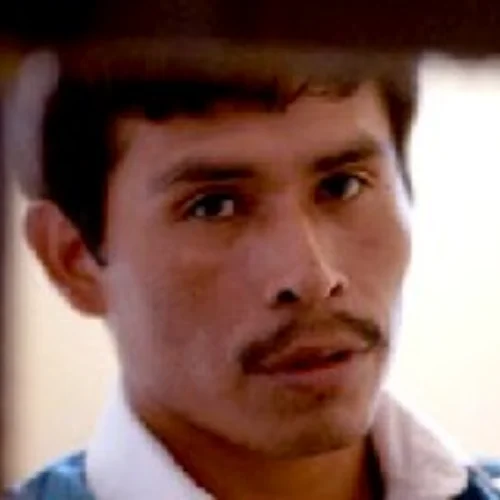
1995Manuel Martinez Coronado was born in 1955 in Guatemala. He grew up in a rural area where farming was a common way of life. Manuel worked as a farmer, like many others in his community. His childhood and early life were shaped by the experiences of living in a farming family.
Growing up in Guatemala during a time of political and social unrest, Manuel faced various challenges. These circumstances were common in his country, which struggled with issues related to land ownership and power. As he became an adult, Manuel would learn about the complexities of land disputes, a theme that would later influence his life.
On May 16, 1995, Manuel Martinez Coronado committed the murders of seven people in a family in Chiquimula, Guatemala. The victims were Juan Bautista Arias, aged 58, his wife Rosalbina Miguel, and their five children: Francias, who was 12, Jovita, who was 8, Arnoldo, who was 5, Aníbal, who was 2, and Emilia Arias, who was 68. All of them were shot.
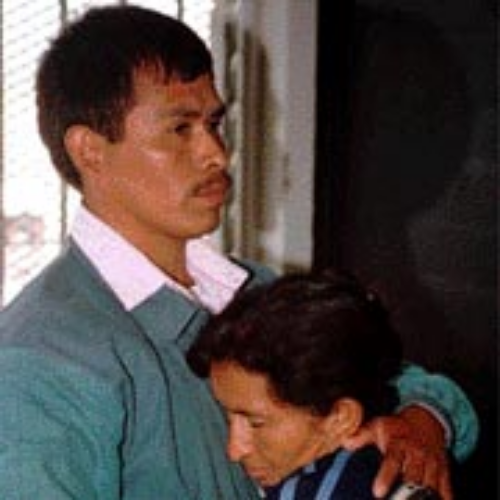
Following the murders, Coronado was arrested and charged with multiple homicides. He was sentenced to death by lethal injection after a trial. Despite the objections from Amnesty International, who argued that there might have been issues with the case and said that his stepfather could have been the real killer, the Guatemalan authorities proceeded with the sentence.
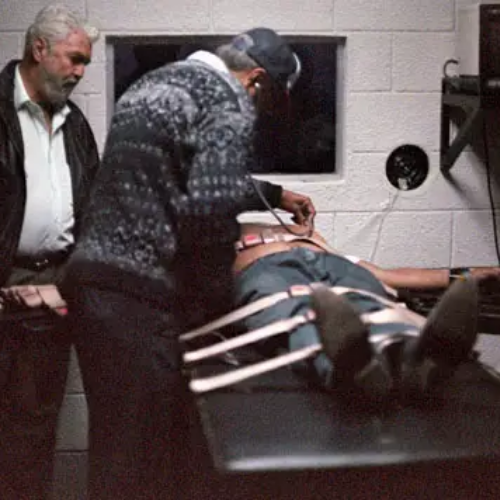
Coronado's execution took place on February 10, 1998, in Guatemala City. This event was significant as it was broadcast live on television. During the execution, doctors in surgical gowns and masks administered the lethal injection. It took eighteen minutes for him to die after the poison was given. His family, including his wife and children, could be heard crying in the background. After his death had been confirmed by the doctors, he became the first person in Guatemala to be executed by lethal injection.
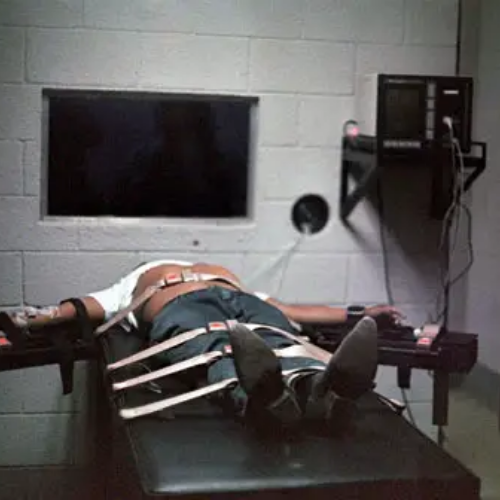
The method had recently been made legal in the country, leading to more executions that followed. Amnesty International criticized the execution, claiming it was a violation of medical ethics, as the identities of the healthcare workers involved were not disclosed.
