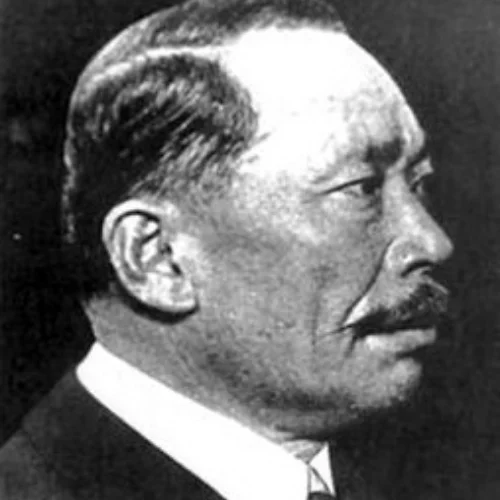
d: 1926
Summary
Name:
Lock Ah TamYears Active:
1925Status:
DeceasedClass:
MurdererVictims:
3Method:
ShootingDeath:
March 23, 1926Nationality:
Chinad: 1926
Summary: Murderer
Name:
Lock Ah TamStatus:
DeceasedVictims:
3Method:
ShootingNationality:
ChinaDeath:
March 23, 1926Years Active:
1925Lock Ah Tam was born in Canton in 1872. He moved to England and started working as a ship's steward. Eventually, he settled in Birkenhead. In Birkenhead, he became a significant figure in the Chinese community. He organized labor for Chinese dock workers and held an important role in the European branch of the Jack Ah Tai organization. He also managed the Chinese Progress Club and worked as a superintendent for several steamship companies in Liverpool.
Lock was married and had three children. He was known as a peacemaker, able to mediate conflicts among dock workers. However, his life changed dramatically in February 1918. While drinking at a club, he was attacked by a group of drunken Russian sailors. They hit him on the head, and even though he did not seek immediate medical attention, this injury had a lasting impact on him.
After the head injury, Lock's behavior became unstable. He began to drink heavily and experienced violent mood swings. His personal life worsened, and by 1924, he faced financial troubles and was declared bankrupt.
On December 1, 1925, Lock's family threw a party to celebrate his son’s twenty-first birthday. Following the party, after the guests had left, he shot his wife and two daughters in their home. After the incident, Lock called the police and surrendered himself.
On November 30, 1925, Lock Ah Tam shot and killed his wife and two daughters at their home in Liverpool, England. This act occurred after a party hosted to celebrate his son's twenty-first birthday. Following the shootings, Lock called the police and confessed to the crime, surrendering himself immediately.
Lock was arrested on the same day and later faced trial at Chester Assizes in February 1926. He was defended by a well-known lawyer, Sir Edward Marshall Hall. The defense argued that Lock was insane at the time of the murders. They suggested he was in a state of automatism due to an epileptic seizure caused by a head injury he sustained in 1918. However, the jury found him guilty after only twelve minutes of deliberation. They concluded that he understood the nature of his actions and that they were wrong because he had contacted the police right after the killings.
Lock Ah Tam was sentenced to death. He was executed by hanging on March 23, 1926, at Walton Gaol.
