d: 1928
Summary
Name:
Leung YingYears Active:
1928Status:
DeceasedClass:
Mass MurdererVictims:
11Method:
Shooting / BludgeoningDeath:
October 22, 1928Nationality:
Chinad: 1928
Summary: Mass Murderer
Name:
Leung YingStatus:
DeceasedVictims:
11Method:
Shooting / BludgeoningNationality:
ChinaDeath:
October 22, 1928Years Active:
1928Date Convicted:
August 31, 1928Leung Ying was born in Canton, China and immigrated to California with his parents as a child in the early 1900s. His father worked for two decades as a farmer in Stockton before both parents returned to China. Leung spent time living in San Jose and Oakland, and was associated with the Hop Sing Tong, until his expulsion due to chronic narcotics use. He was known to be a habitual opium user and was also involved in illegal activities including gunrunning, drug trafficking, alcohol sales during Prohibition, and procuring sex workers for rural laborers.
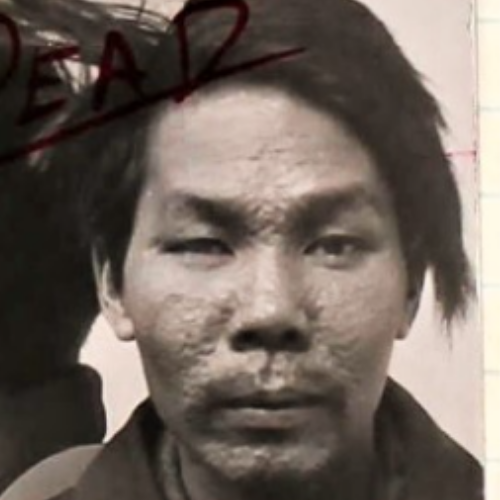
In 1924, Leung was arrested in San Francisco as a gunman and narcotics dealer. Within the Chinese labor community, he was reputed to have participated in prior murders during tong conflicts, a claim he often boasted about. His physical appearance included deep facial pockmarks, likely from smallpox, and he was described as being of short stature. His exact birthdate was unknown, and he estimated his age to be 29 or 30 years old in 1928.
In spring 1928, Leung worked for about three months as a cook and fruit picker at the Bryan ranch in Solano County, California. He was dismissed in June after attempting to assault the foreman’s daughter, Nellie Wong. Though Leung claimed they had a consensual relationship, his repeated efforts to regain employment at the ranch were denied.
On the morning of 22 August 1928, Leung Ying returned to the Bryan ranch near Fairfield, California, armed with a stockless .25-35 rifle and reportedly under the influence of narcotics. Over the next 20 minutes, he fatally shot and bludgeoned eleven individuals, including several members of the Wong family who operated the ranch, and four laborers. It was the deadliest mass murder in California at the time.
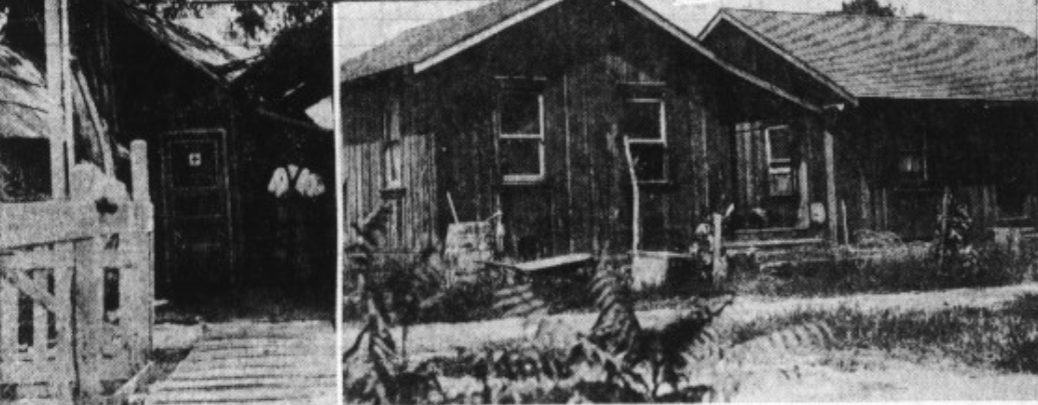
Leung began the attack in an underground dugout or gambling room, shooting foreman Wong Gee and laborer Cheung Yueng. He then moved across the ranch grounds, shooting Wong Gee’s brother Wong Hueng through a window, and mortally wounding the ranch cook, Low Shek Way, in the cutting shed. En route to the main house, he shot orchard worker Yeung Foon.
At the residence, Leung shot Nellie Wong in the abdomen as she was leaving for school. Inside, he killed Mrs. Wong with a shot to the head while she held her ten-day-old infant. He then entered a children’s bedroom and killed four-year-old Johnnie Wong and three-year-old Willie Wong. Willie was bludgeoned to death, likely with a cleaver or axe. Leung fatally mutilated the baby and wounded Nellie, who died five days later. Two other Wong children, Helen and Ruth, survived by hiding under a bed.
After the murders, Leung fled the scene in a stolen vehicle and traveled north toward Sacramento before changing direction. In Nevada County, he commandeered a truck and forced the driver, George Sing, to assist him. Leung was eventually located the next morning in Grass Valley and arrested without resistance after hiding in a chicken coop. At the time of his capture, he was carrying $100 and a small bag of personal items.
Following his arrest, Leung confessed to the killings and cited drug use, emotional distress from being rejected by Nellie Wong, and delusions of being poisoned as motivations. He also expressed a desire to have killed additional people.
Leung was arraigned on 24 August 1928 and pleaded guilty. His trial began on 30 August and concluded in one day. He was found sane, assigned court-appointed counsel, and sentenced to death by hanging on 31 August. The trial was one of the shortest in California's history for a capital case.
While incarcerated at San Quentin Prison, Leung attempted suicide shortly after his arrest and again successfully on 22 October 1928. He hanged himself with a towel tied to his cell door. His execution had been scheduled for 09 November 1928.
Leung was buried in the San Quentin prison cemetery under the name “Leong Ying.” His case was one of the most violent mass killings in early 20th century California and marked the end of the historic Rockville Chinatown, which was largely abandoned within six months of the murders.
