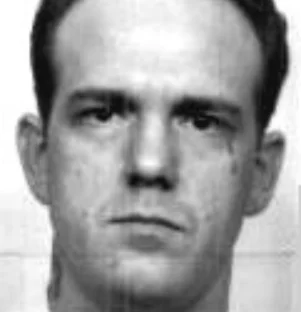
1958 - 1996
Summary
Name:
Leo Ernest Jenkins Jr.Years Active:
1988Birth:
October 12, 1958Status:
ExecutedClass:
MurdererVictims:
2Method:
ShootingDeath:
February 09, 1996Nationality:
USA1958 - 1996
Summary: Murderer
Name:
Leo Ernest Jenkins Jr.Status:
ExecutedVictims:
2Method:
ShootingNationality:
USABirth:
October 12, 1958Death:
February 09, 1996Years Active:
1988"I'd just like to say I believe in Jesus Christ our Lord and Savior. I'm sorry for the Kelleys' loss but my death is not gonna bring back their children. I think the State of Texas is wrong to execute me. I love my mama. Let's go, man."
— Leo Ernest Jenkins Jr.
Leo Ernest Jenkins Jr. was born on October 12, 1958, in the United States. Prior to the murders that brought him national attention, Jenkins accumulated a criminal record that resulted in multiple prison terms. By the time of his arrest in 1988, he was known to law enforcement and had spent significant periods incarcerated. Witness descriptions and police records noted that he was heavily tattooed, including distinctive teardrop tattoos beneath one eye that reportedly symbolized previous prison sentences.
During the years leading up to the offense, Jenkins became involved in drug abuse. Investigative records later revealed that he and his associate were using cocaine and were seeking money to continue purchasing drugs. His criminal history, repeated imprisonment, and substance abuse problems formed the backdrop to the events that unfolded in Houston, Texas, during the summer of 1988.
On the afternoon of August 29, 1988, Leo Ernest Jenkins Jr. and an accomplice, Eugene Hart, entered the Golden Nugget Pawn Shop in north Houston, Texas. The business was owned and operated by members of the Kelley family.
Inside the store were 20-year-old Kara Kelley Voss and her 25-year-old brother, Mark Kelley. According to testimony presented during Jenkins' trial, he approached Kara Voss and stated that he was interested in purchasing a rifle. As she assisted him, Jenkins suddenly produced a .22-caliber pistol and shot her in the head at close range.
After shooting Kara Voss, Jenkins turned his attention to Mark Kelley. He fired multiple rounds at him, striking him three times in the face. Both victims suffered fatal injuries and died as a result of the attack. Following the shootings, Jenkins and Hart stole jewelry, watches, rings, and other valuables from the pawn shop before fleeing the scene. The robbery and double homicide triggered a major investigation by local law enforcement.
Witnesses provided investigators with descriptions of a heavily tattooed man seen leaving the pawn shop around the time of the murders. The distinctive description helped detectives identify Jenkins as a suspect. Approximately four days after the killings, authorities arrested him.
During questioning, Jenkins admitted involvement in the crimes. He told investigators that he and Hart were under the influence of cocaine and needed money to buy additional drugs. The confession, combined with witness statements and other evidence, played a significant role in the prosecution's case.
Jenkins was subsequently charged with capital murder. Prosecutors argued that the killings occurred during the commission of a robbery, making the offense eligible for the death penalty under Texas law.
Following trial proceedings in Harris County, a jury convicted Jenkins of capital murder. He was sentenced to death and transferred to Texas death row. Eugene Hart, who participated in the robbery, received a life sentence rather than a death sentence.
Over the following years, Jenkins pursued limited legal challenges to his conviction and sentence. Unlike many death row inmates, he reportedly opposed efforts aimed at delaying his execution and expressed a desire for the sentence to be carried out.
His case became historically significant because Texas officials approved a request allowing the victims' family members to witness the execution. On February 9, 1996, relatives of Mark Kelley and Kara Kelley Voss attended the execution at the Huntsville Unit in Huntsville, Texas. It was the first execution in Texas witnessed by surviving family members of murder victims.
Among those present were the victims' mother, Linda Kelley, their father, Jim Kelley, other relatives, and members of the extended family. The execution attracted considerable media attention and renewed discussions concerning victims' rights and the role of surviving family members in the capital punishment process.
Shortly before the lethal injection was administered, Jenkins delivered a final statement. He expressed belief in Jesus Christ, apologized for the family's loss, and criticized the state's decision to execute him. He concluded his remarks by expressing love for his mother.
The lethal injection was then carried out, and Leo Ernest Jenkins Jr. was pronounced dead on February 9, 1996. He became the 105th inmate executed in Texas following the state's reinstatement of the death penalty in 1982.
