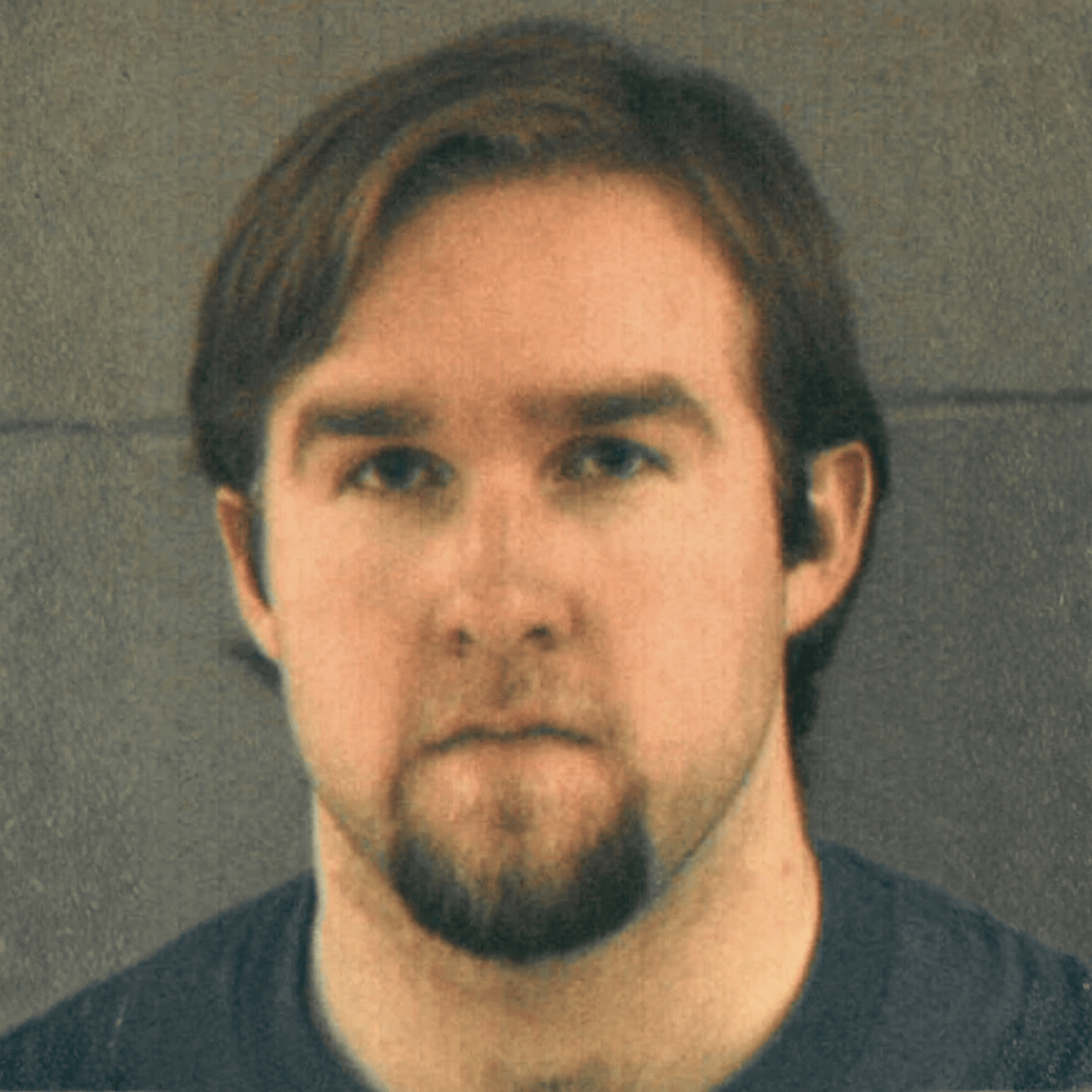
1977 - 2006
Summary
Name:
Kyle Aaron HuffYears Active:
2006Birth:
September 22, 1977Status:
DeceasedClass:
Mass MurdererVictims:
6Method:
ShootingDeath:
March 25, 2006Nationality:
USA1977 - 2006
Summary: Mass Murderer
Name:
Kyle Aaron HuffStatus:
DeceasedVictims:
6Method:
ShootingNationality:
USABirth:
September 22, 1977Death:
March 25, 2006Years Active:
2006Kyle Aaron Huff was born on September 22, 1977, and was raised in Whitefish, Montana. He had a twin brother, Kane Huff, with whom he remained closely connected throughout his life. His parents divorced by January 1992, and he graduated from high school in 1996, where he was voted “least school-spirited.” Little is publicly known about his childhood beyond brief community mentions and isolated accounts from neighbors and acquaintances.
After high school, Huff claimed to have attended both the Art Institute of Seattle and North Seattle Community College, though neither institution had official records confirming his enrollment. His work history consisted primarily of pizza delivery jobs. Huff and his twin brother eventually relocated to Seattle around 2001. They shared an apartment in North Seattle.
In 2000, Huff had a legal brush with the law in Montana after destroying a public art installation called “Moose on the Loose,” in which he shot a moose statue. Initially charged with a felony, he pleaded down to a misdemeanor after paying restitution and a fine. At the time, the felony charge would have barred him from owning firearms, but since he was only convicted of a misdemeanor, he retained the legal right to possess weapons. The firearms used in the later Capitol Hill massacre were purchased legally at sporting goods stores in Kalispell, Montana.
In 2004, Huff was involved in a bar fight at the Lobo Saloon in Seattle, but had little other contact with law enforcement in the city. By all appearances, he lived a low-profile life. He was not well known in the Seattle rave or dance community and had limited social connections. Notably, on February 1, 2006, Huff posted to a local rave message board asking when the next rave would take place, stating that he had never been to one before.
In the weeks leading up to the attack, Huff began fixating on the rave subculture. Reports suggest he made failed attempts to date a woman who later rejected him, and he expressed apparent frustrations about sexual freedom and youth culture. A letter attributed to him, dated two days before the shooting, revealed an obsessive disdain for the rave scene, claiming that the “hippy stuff has to end.” He described sexual behavior at parties as disturbing and indicated that he felt compelled to act violently.
Huff's internal turmoil remained hidden from those around him. No friends or family came forward with reports of warning signs, and attendees at the event he targeted described him as quiet but pleasant just hours before the attack.
On the night of March 24, 2006, a themed event titled "Better Off Undead" was held at the Capitol Hill Arts Center (CHAC) in Seattle’s Capitol Hill neighborhood. The event attracted over 300 attendees and featured security from more than 20 personnel. Among the crowd was Kyle Huff, who had recently become interested in the rave scene. During the event, Huff received a last-minute invitation to an after-party held at a private residence approximately one mile away at 2112 E. Republican Street.
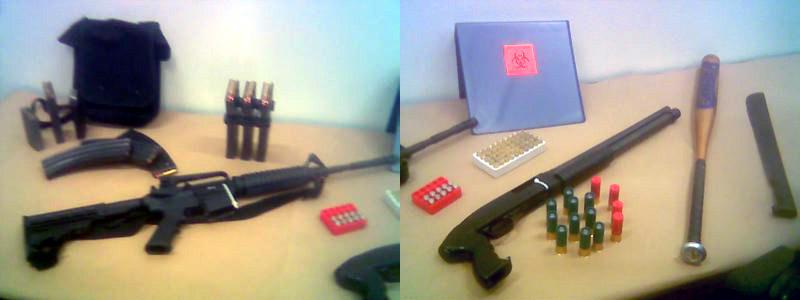
Huff, 28 years old at the time, attended the after-party quietly. He did not know anyone personally but interacted politely and gave no indication of malice. Sometime between 4:00 a.m. and 6:00 a.m., Huff left the gathering and returned to his nearby truck. At approximately 7:00 a.m. on March 25, 2006, he retrieved a 12-gauge Winchester 1300 Defender shotgun, a .40-caliber Ruger P944 semi-automatic pistol, and over 300 rounds of ammunition. He also spray-painted the word “NOW” on the sidewalk and porch steps of a neighboring house.
Returning to the after-party, Huff opened fire outside the home, killing two people on the steps and three more on the porch. He then forced entry into the house, shooting three more individuals inside. One of those shot inside later died at Harborview Medical Center, bringing the total fatalities to six. Two others were seriously injured.
Eyewitnesses described Huff saying, “There’s plenty for everyone,” during the rampage. On the second floor, he fired through a locked bathroom door where a couple had hidden in a bathtub, but neither was hit. In a chilling twist, he later wandered through parts of the house without firing further, walking past others without harming them.
Seattle Police officer Steve Leonard, responding to 911 calls, arrived quickly on the scene and encountered one of the wounded. As Huff came down the front steps, Leonard attempted to confront him. Before the officer could complete his command to drop the weapon, Huff turned the shotgun on himself and committed suicide with a blast through his mouth and head.
Police later recovered a third firearm—a Bushmaster XM15 E2S .223-caliber rifle—from his truck, along with another handgun, additional ammunition, a machete, and a baseball bat. A search of Huff’s North Seattle apartment, which he shared with his twin brother, uncovered more weapons and ammunition. His brother was briefly detained but released after questioning.
In the days following the massacre, investigators discovered a handwritten letter believed to be from Huff in a nearby dumpster. Forensic analysis confirmed a high probability that it was authentic. The letter was dated two days before the attack and expressed anger toward the rave scene’s perceived promiscuity and culture. In it, Huff said he felt compelled to act violently and hinted that the people at the rave were "screwing up the world."
The Capitol Hill Massacre was Seattle’s deadliest mass shooting since the Wah Mee massacre in 1983. It shocked the city and provoked wide-ranging discussions about youth culture, gun laws, mental health, and event security. However, many officials, including Seattle’s mayor and members of the city council, emphasized that the tragedy was not the fault of music culture or the party itself, but of a deeply disturbed individual who had the means and intent to kill.
