
b: 1982
Summary
Name:
Kipland Philip KinkelNickname:
KipYears Active:
1998Birth:
August 30, 1982Status:
ImprisonedClass:
Mass MurdererVictims:
4Method:
ShootingNationality:
USAb: 1982
Summary: Mass Murderer
Name:
Kipland Philip KinkelNickname:
KipStatus:
ImprisonedVictims:
4Method:
ShootingNationality:
USABirth:
August 30, 1982Years Active:
1998Date Convicted:
September 24, 1999“I am very sorry for everything I have done.”
— Kipland Philip Kinkel
Kipland Philip Kinkel was born on August 30, 1982. He was known as “Kip” and grew up in Springfield, Oregon, as the son of William “Bill” Kinkel and Faith Kinkel. Both of his parents were educators. His father had taught Spanish at Thurston High School, and his mother taught Spanish at another high school in the area. He also had an older sister, Kristin, who was away at college in Hawaii when the murders occurred.
Kinkel grew up in a family that was described publicly as stable and supportive, but he struggled with behavioral and emotional problems from a young age. Accounts from classmates, friends, and later court proceedings described him as withdrawn, angry, and increasingly interested in guns, explosives, and violent subjects. He had been in counseling before the shooting, and he had previously been prescribed medication for depression. He suffered from serious mental illness, including later diagnoses of paranoid schizophrenia.
Before the murders, Kinkel had been in trouble for earlier misconduct, including throwing rocks at cars and bringing a stolen handgun to school. On May 20, 1998, school officials discovered that he had a stolen handgun in his locker at Thurston High School. He was arrested, suspended pending expulsion, and released into his father’s custody. That incident became the immediate trigger for the crimes that followed.
On May 20, 1998, after being suspended from Thurston High School for possessing a stolen handgun, Kipland Kinkel returned home with his father. Later that afternoon, he shot and killed his father, William “Bill” Kinkel, inside the family home. He then waited for his mother, Faith Kinkel, to return from work. When she arrived, he shot and killed her as well.

After killing his parents, Kinkel remained in the house overnight. Police later found weapons, ammunition, homemade explosive devices, bomb-making materials, and written material connected to explosives inside the home. Bomb squads spent several days removing dangerous materials from the residence.

The next morning, May 21, 1998, Kinkel drove his mother’s Ford Explorer to Thurston High School. He was armed with a .22-caliber semiautomatic rifle, a 9mm Glock handgun, another .22-caliber pistol, knives, and ammunition. He first fired in a hallway, killing Ben Walker and wounding another student. He then entered the school cafeteria, where many students were gathered before classes.

Inside the cafeteria, Kinkel fired dozens of rounds into the crowd. Mikael Nickolauson was killed, and many other students were wounded. The attack ended when student Jake Ryker, despite being wounded, tackled Kinkel as he was reloading. Other students helped restrain him until police arrived.
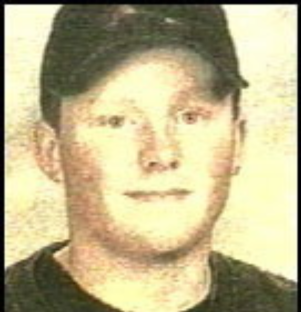
After his arrest, Kinkel was taken to the police station, where he lunged at an officer with a knife that had not been found during the initial search. He later said he had wanted police to shoot him. He was charged in adult court because of the severity of the crimes, but he could not receive the death penalty because he was 15 years old at the time.
On September 24, 1999, Kinkel pleaded guilty to four counts of murder and 25 counts of attempted murder, and he pleaded no contest to one additional attempted-murder count. The plea removed the possibility of an insanity acquittal. On November 10, 1999, he was sentenced to more than 111 years in prison without the possibility of parole.
Kinkel later challenged his conviction and sentence, arguing in part that his attorneys should have pursued an insanity defense and that his sentence was unconstitutional because he was a juvenile at the time of the crimes. Oregon courts rejected the challenges. In 2018, the Oregon Supreme Court held that his nearly 112-year sentence did not violate the Eighth Amendment.
