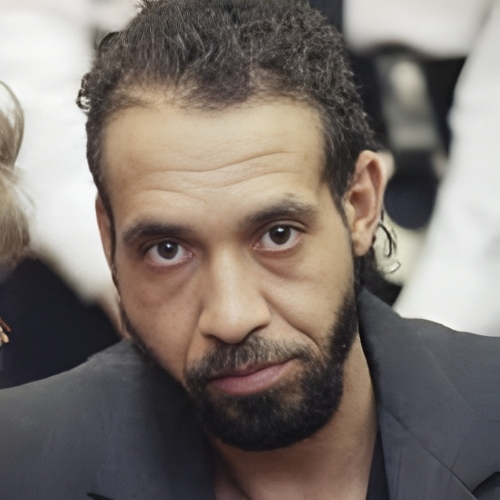
1954 - 2016
Summary
Name:
Julio GonzálezYears Active:
1990Birth:
October 10, 1954Status:
DeceasedClass:
Mass MurdererVictims:
87Method:
ArsonDeath:
September 13, 2016Nationality:
Cuba1954 - 2016
Summary: Mass Murderer
Name:
Julio GonzálezStatus:
DeceasedVictims:
87Method:
ArsonNationality:
CubaBirth:
October 10, 1954Death:
September 13, 2016Years Active:
1990Date Convicted:
August 19, 1991"I'll be coming back."
— Julio González
Julio González was born on 10 October 1954 in Holguín, Oriente Province, Cuba. His early adult life was marred by instability. During the 1970s, he was sentenced to three years in prison in Cuba for desertion from the Cuban Army. Seeking a way out of Cuba during the Mariel boatlift of 1980, González reportedly faked a criminal record as a drug dealer to secure a spot on the exodus boats that transported over 100,000 Cubans to the United States. After arriving in Florida, he drifted through Wisconsin and Arkansas before settling in New York City.
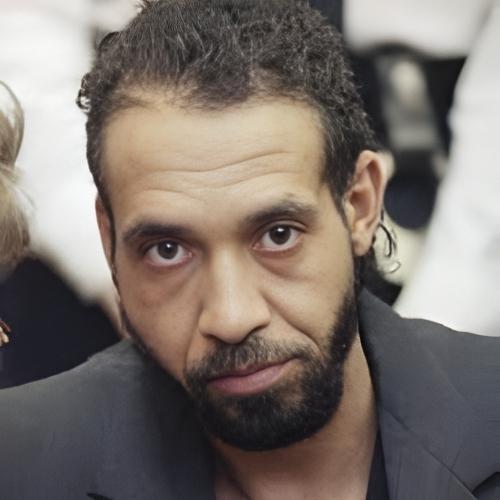
Sponsored by the American Council for Nationalities in Manhattan, González attempted to rebuild his life. However, he never found lasting success or stability. By early 1990, he had lost his job at a lamp factory in Queens and was two weeks behind on rent at his boarding house. Described by his landlord as being “down to his last hope,” González’s situation deteriorated rapidly.
In the months before the attack, González ended his relationship with Lydia Feliciano, a coat check worker at the Happy Land social club in the Bronx. Their breakup was volatile and deeply affected him. On the night of the fire, Feliciano rejected his pleas for reconciliation. She told him she wanted nothing more to do with him.
In the early hours of 25 March 1990, Julio González committed one of the most horrific acts of mass murder in the United States. Just after 3:00 a.m., he was ejected from the Happy Land social club, an illegal nightclub operating at 1959 Southern Boulevard in the West Farms section of the Bronx. The venue, which lacked fire exits, alarms, or sprinklers, had previously been ordered closed by fire inspectors in 1988 for code violations, but no follow-up was documented. The club continued to operate, especially during weekends and holidays like Carnival.
That night, the club was packed with approximately 100 patrons, many of them young Hondurans celebrating Carnival. González arrived and confronted his ex-girlfriend, Lydia Feliciano, who worked the coat check. After she dismissed him, a bouncer physically ejected him from the club. Witnesses reported hearing González angrily shout threats, including “I’ll be coming back” and “I’m going to shut this place down.”
Fifteen minutes later, he returned. He had walked to a nearby Amoco gas station, where he purchased $1 worth of gasoline, which he poured into a plastic container. Returning to the club, he splashed the gasoline at the bottom of the stairwell — the only entrance and exit to the second-floor venue. He lit the fuel and fled.
Within minutes, the building was engulfed in flames and smoke. The blaze quickly consumed the staircase and sealed off the only escape route for the club’s patrons. Toxic smoke filled the room with such speed that many of the victims died with drinks still in their hands. Attempts to escape through walls and adjoining rooms failed. Most of the 87 victims died from smoke inhalation or being trampled in the stampede toward the door. The dead included five students from nearby Theodore Roosevelt High School.
Only a handful of individuals survived. Among them were Lydia Feliciano, the club owner’s wife, and the DJ, Ruben Valladares, who suffered second- and third-degree burns over half his body. In total, seven people were injured, and 87 were killed, making it the deadliest fire in New York City since the 1911 Triangle Shirtwaist Factory fire, which had coincidentally occurred on the same date 79 years earlier.
Later that day, investigators spoke with Feliciano, who identified González and described their argument. Police found him at his boarding house, asleep and wearing clothes still damp with gasoline. After being read his rights, González confessed to the attack.
On 19 August 1991, Julio González was convicted on 87 counts of second-degree murder and 87 counts of first-degree arson. Although he had been charged with 174 counts of murder (two for each victim), New York state law required that sentences for multiple killings committed during a single act be served concurrently, not consecutively. He was sentenced to 25 years to life for each count, but would be eligible for parole after 25 years.
Despite eligibility, parole was denied in March 2015. González died the following year in Clinton Correctional Facility in Plattsburgh, New York, on 13 September 2016, from a heart attack at age 61.
