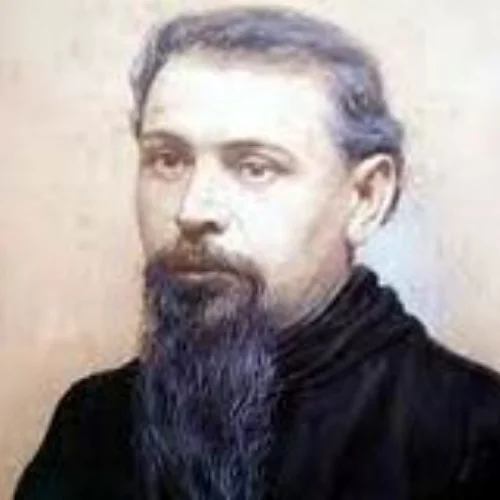
d: 1874
Summary
Name:
Juan MoreiraYears Active:
1856 - 1874Status:
DeceasedClass:
MurdererVictims:
16Method:
Stabbing / ShootingDeath:
April 30, 1874Nationality:
Argentinad: 1874
Summary: Murderer
Name:
Juan MoreiraStatus:
DeceasedVictims:
16Method:
Stabbing / ShootingNationality:
ArgentinaDeath:
April 30, 1874Years Active:
1856 - 1874Juan Moreira was an Argentine gaucho from Buenos Aires Province. His exact birth year is uncertain, with some sources listing 1819 and others listing 1829. Before becoming known as an outlaw, he worked as a rural laborer and horseman.
Moreira was described in traditional accounts as hardworking, skilled with horses, and respected in his community. He married a woman named Vicenta and had a son. His life changed after a financial dispute with a storekeeper named Sardetti, who allegedly refused to repay money Moreira had lent him.
When Moreira tried to get help from local authorities, he was reportedly punished instead of helped. He later killed Sardetti in a knife fight. After that, police tried to arrest him, and Moreira resisted. This marked the beginning of his life as a wanted outlaw.
Moreira later became known for his skill with the knife and firearm. He moved through several towns in Buenos Aires Province and became one of Argentina’s most famous gaucho outlaw figures.
Juan Moreira’s criminal life is difficult to separate from legend because his story was later popularized in literature, theater, and film. The best-known version presents him as a gaucho who became violent after being treated unfairly by local officials. However, historical studies also show that official records treated him as a feared rural criminal, while popular culture later turned him into a symbol of gaucho resistance.
The first major killing linked to Moreira was the death of Sardetti, a storekeeper who allegedly refused to repay money Moreira had lent him. Moreira had reportedly trusted Sardetti without written proof, following rural customs of personal honor. When the debt was denied and Moreira was punished instead, he later confronted Sardetti and killed him with a knife. This killing placed him in open conflict with local authorities.
After Sardetti’s death, officers came to arrest Moreira. In the confrontation that followed, Moreira resisted and killed more than one man, including the local official known in traditional accounts as Don Francisco. From that point forward, Moreira lived as a fugitive. His ability with a knife and firearm made him feared, and many stories describe him defeating several opponents in duels or clashes with police.
During his years as an outlaw, Moreira moved across Buenos Aires Province and became involved in political conflicts. Some sources describe him as being used by local political leaders, who promised protection or influence but did not clear his name. A modern academic source states that Moreira became notorious among gauchos and townspeople because of confrontations with police patrols and his ability with weapons. It also notes that he was connected to political factions and local electoral conflicts.
In April 1874, Moreira’s final days began. A historical study records that on April 6, 1874, he had an encounter with police and was wounded in the face and hand. Four days later, in Navarro, Moreira and several companions were linked to the killing of landowner José Melquíades Ramalhe or Ramallo and one of his workers. The source notes that the reasons for those killings were never fully clear.
Authorities then moved to capture Moreira. In Lobos, police and military officials located him at an inn and brothel called La Estrella. The operation was led by officials connected to Buenos Aires law enforcement. On April 30, 1874, Moreira was found there during the siesta. According to historical accounts, Sergeant Andrés Chirino attacked him with a bayonet or blade during the confrontation. Moreira fought back and reportedly wounded Chirino before dying.
Juan Moreira was killed on April 30, 1874, in Lobos, Buenos Aires Province. He was not executed after trial; he died during a police operation. His body was buried in Lobos. After his death, his story continued to grow in Argentine popular culture. Eduardo Gutiérrez later published Juan Moreira as a serialized narrative between 1879 and 1880, turning Moreira into one of the most famous gaucho outlaw figures in the Río de la Plata. Cambridge University Press notes that the serialized story presented Moreira as a “good gaucho gone bad” whose downfall was linked to persecution by corrupt officials, and that the work became widely popular in Argentina and Uruguay
