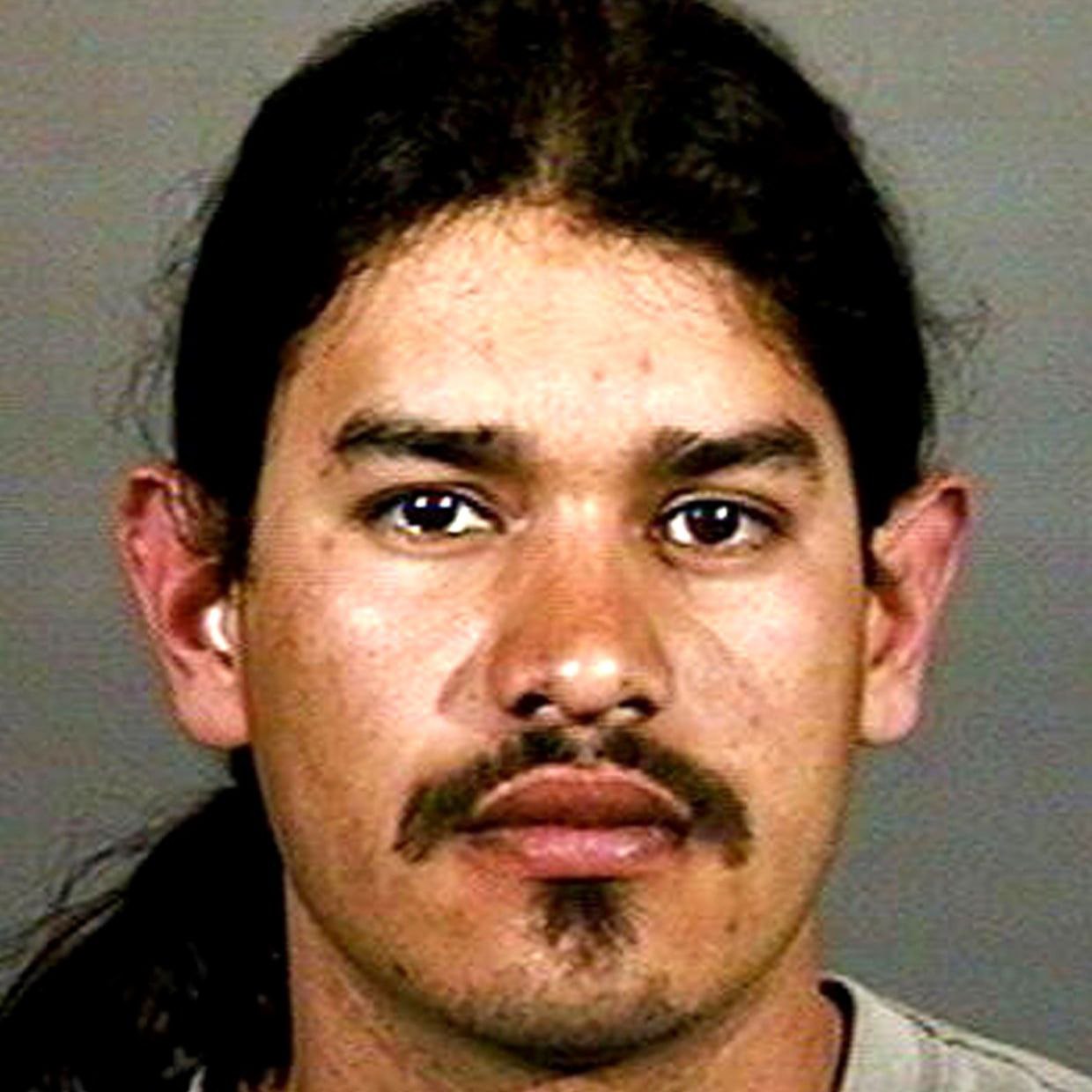
Summary
Name:
Juan Manuel ÁlvarezYears Active:
2005Status:
ImprisonedClass:
Mass MurdererVictims:
11Method:
Arson / Vehicular obstructionNationality:
USASummary: Mass Murderer
Name:
Juan Manuel ÁlvarezStatus:
ImprisonedVictims:
11Method:
Arson / Vehicular obstructionNationality:
USAYears Active:
2005Date Convicted:
June 26, 2008Juan Manuel Álvarez was born in 1964 and lived in Compton, California. Prior to the events of 2005, he worked intermittently as a handyman and was the father of two young children. His personal life was marked by instability in the years leading up to the attack. Court records and witness testimony later revealed a history of methamphetamine addiction, erratic behavior, and mental health struggles, including previous suicide attempts.
Álvarez’s marriage deteriorated significantly in 2004. His wife, Carmelita Ochoa, filed for a restraining order months before the crash, citing threatening, controlling, and unpredictable behavior toward herself and their children. By early 2005, Álvarez was living apart from his family and experiencing emotional distress, financial problems, and substance abuse issues.
Despite these warning signs, Álvarez was not under active psychiatric supervision at the time. Investigators later concluded that his actions were deliberate and premeditated, even though he claimed suicidal intent.
On the morning of January 26, 2005, during peak commuter hours, Juan Manuel Álvarez drove his Jeep Cherokee Sport onto railroad tracks near the Chevy Chase Drive grade crossing in an industrial area of Glendale, California, just east of the Los Angeles city limits.
At approximately 6:03 a.m. PST, Metrolink Ventura County Line train #100, carrying over 200 passengers, struck the abandoned SUV at high speed. The impact caused the train to derail and jackknife, colliding with a stationary Union Pacific freight train and a northbound Metrolink Antelope Valley Line train (#901) traveling in the opposite direction.
The chain-reaction collision resulted in 11 deaths and 177 injuries, making it one of the deadliest rail disasters in Southern California history. Victims included commuters and Thomas Ormiston, the conductor of the northbound train.
Investigators determined that Álvarez had slashed his wrists and stabbed himself before parking the vehicle on the tracks. He poured gasoline inside the SUV, supporting prosecutors’ claim that he intended to ignite a fire and worsen the impact. Although Álvarez later stated he had changed his mind and tried unsuccessfully to move the vehicle off the tracks, evidence showed he willingly abandoned the car moments before impact.
Álvarez fled the scene and was arrested later that day at a friend’s home in Atwater Village, Los Angeles.
Álvarez was charged with 11 counts of first-degree murder with special circumstances and one count of arson. Prosecutors initially sought the death penalty under California’s rarely used train-wrecking statute, a law dating back to 1873. That charge was ultimately not upheld by the jury.
During trial, the defense argued that the crash resulted from an aborted suicide attempt and that Álvarez never intended to kill anyone. Prosecutors countered that the act was deliberate, citing the placement of the vehicle, the use of gasoline, and Álvarez’s decision to flee rather than warn authorities.
On June 26, 2008, a jury found Álvarez guilty of 11 counts of first-degree murder with special circumstances and one count of arson. On July 15, 2008, the jury recommended life imprisonment without the possibility of parole, rejecting the death penalty.
Álvarez was formally sentenced on August 20, 2008, to 11 consecutive life sentences without parole, where he remains incarcerated.
