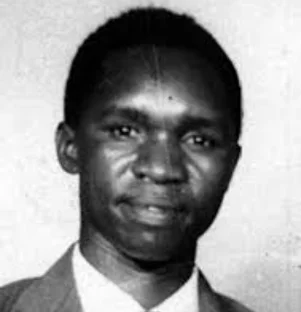
Summary
Name:
Joseph KibweteereNickname:
The ProphetYears Active:
2000Status:
DeceasedClass:
Mass MurdererVictims:
1000+Method:
Fire / Poisoning / StrangulationNationality:
UgandaSummary: Mass Murderer
Name:
Joseph KibweteereNickname:
The ProphetStatus:
DeceasedVictims:
1000+Method:
Fire / Poisoning / StrangulationNationality:
UgandaYears Active:
2000Joseph Kibweteere was born in 1932 in Uganda. He was born in Kishariro, a village in Uganda's Ntungamo District. Before becoming known as a cult leader, he was reportedly a devout Catholic and a respected local figure. He had enough social standing and resources to run for political office and support a school, which helped him gain credibility in his community.
Kibweteere’s religious life became more extreme during the 1980s. He claimed to have visions of the Virgin Mary and later became involved with Credonia Mwerinde, who also claimed to receive religious messages. Together, they helped form the Movement for the Restoration of the Ten Commandments of God, a group that broke away from mainstream Catholic practice and preached strict obedience, silence, fasting, sexual abstinence, and preparation for the end of the world.
The group taught that the world would end around the year 2000. Members were told to prepare spiritually and give up ordinary life. Many followers sold their belongings and gave money or property to the group. The movement built compounds and attracted followers from different parts of Uganda. Later investigations found that children were also present in the camps, and earlier complaints had been raised about the group before the killings.
Although Kibweteere was long presented as the main leader, later findings suggested that Credonia Mwerinde may have held more direct control over the group. The Uganda Human Rights Commission report, quoted in 2002 reporting, said Mwerinde recruited Kibweteere and used his wealth and public reputation to strengthen the movement.
The Kanungu massacre took place in March 2000 and became one of the deadliest cult-related killings in modern history. On March 17, 2000, hundreds of members of the Movement for the Restoration of the Ten Commandments of God gathered inside a church building at Kanungu. The windows and doors were reportedly sealed or nailed shut, and the building was set on fire. At least 330 people were killed in the fire, though police believed more bodies may have been destroyed in the blaze.
At first, the deaths were widely described as a mass suicide because the group had preached the end of the world. That interpretation changed after investigators found mass graves and hidden bodies at other sites connected to the movement. The Uganda Human Rights Commission later described the case as a planned mass killing, not simply a suicide. Its report said 444 bodies were exhumed from cult branches and leaders’ homes, in addition to those killed in the Kanungu fire.
Further discoveries showed that many victims had died before the fire. Bodies were found at Buhinga, Rugazi, Rushojwa, and other locations connected to cult leaders. Some victims appeared to have been poisoned, strangled, or otherwise killed before being buried. The Guardian reported that police had confirmed 725 dead by late March 2000 and believed the final number could be several hundred higher.
The motive remains partly unclear, but investigators and later reports suggested that the cult leadership faced growing pressure after repeated failed apocalypse predictions. Followers had sold property and given up possessions after being told the world was ending. When the promised apocalypse did not occur, some members reportedly began questioning the leaders and demanding answers. The Daily Monitor reported that leaders eventually locked followers inside the church and set it on fire.
Kibweteere’s exact role remains disputed. He was one of the founders and public leaders of the movement, but later reports suggested Credonia Mwerinde may have been the dominant figure. The Uganda Human Rights Commission report even raised the possibility that Kibweteere may have died before the fire, though police continued listing him among wanted cult leaders.
No one was successfully prosecuted for the massacre. Warrants were issued for several cult leaders, including Joseph Kibweteere, Credonia Mwerinde, and Dominic Kataribabo, but the leaders’ final fate was never fully proven. Some sources say Kibweteere likely died in the fire, others say he may have escaped.
