
1974 - 2019
Summary
Name:
John William KingNickname:
BillYears Active:
1998Birth:
November 03, 1974Status:
ExecutedClass:
MurdererVictims:
1Method:
Dragging behind a vehicle / BeatingDeath:
April 24, 2019Nationality:
USA1974 - 2019
Summary: Murderer
Name:
John William KingNickname:
BillStatus:
ExecutedVictims:
1Method:
Dragging behind a vehicle / BeatingNationality:
USABirth:
November 03, 1974Death:
April 24, 2019Years Active:
1998“Regardless of the outcome of this, we have made history. Death before dishonor. Sieg Heil!”
— John William King
John William “Bill” King was born on November 3, 1974, in Texas. Little information about his early upbringing has been publicly documented, but later court records and interviews portrayed a life marked by instability, racial resentment, and personal trauma. He grew up in East Texas, an area with a long, complex history of racial tension, and by adolescence had developed associations with white supremacist ideology.
In his late teens and early twenties, King was repeatedly incarcerated for various offenses. During one prison term, he claimed he had been violently gang‑raped by several Black inmates—an allegation he repeated during his trial and in personal writings. Whether the assault occurred remains unverified, but the experience allegedly intensified his racial animosity and drove him deeper into extremist ideology.
By the mid‑1990s, King had become deeply immersed in white supremacist prison gangs and propaganda. He covered his body with racist tattoos, including a Black man hanging from a tree, multiple Nazi symbols, the phrase “Aryan Pride,” and the insignia of the Confederate Knights of America, another white supremacist prison gang. When released from prison shortly before the murder of James Byrd Jr., King returned to Jasper, Texas, maintaining close ties to extremist associates and harboring a belief that white men were engaged in a racial “struggle” that justified violence.
On June 7, 1998, John King, Lawrence Brewer, and Shawn Berry offered 49-year-old James Byrd Jr., an African American man, a ride in Berry’s pickup truck in Jasper, Texas. Instead of taking him home, they drove to a remote road, brutally beat him, and chained his ankles to the truck’s rear bumper.
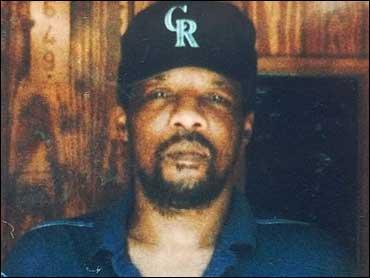
King and Brewer, known white supremacists, participated in dragging Byrd along an asphalt road for nearly three miles. For much of the ordeal, Byrd was alive and conscious, attempting to hold his head up. Approximately halfway through the dragging, Byrd’s body struck a culvert, causing decapitation and the severing of his right arm, which led to his death.
The men dumped Byrd’s remaining torso in front of an African American cemetery before driving away. Physical evidence, including a wrench with “Berry” inscribed and a lighter marked “Possum,” King’s prison nickname, tied the perpetrators to the crime. Investigators quickly identified the racially motivated lynching as one of the most brutal hate crimes in modern U.S. history.
In 1999, King was convicted of capital murder. During trial proceedings, testimony and intercepted letters revealed his lack of remorse. In one letter to Brewer, King wrote, “Regardless of the outcome of this, we have made history. Death before dishonor. Sieg Heil!” His appeals, including attempts to block execution on claims of ineffective counsel and trial errors, were repeatedly denied.
On December 21, 2018, a judge formally scheduled King’s execution for April 24, 2019. His last appeals to the Texas Court of Criminal Appeals and the Texas Board of Pardons and Paroles were denied. King refused to make a final statement before being executed by lethal injection at the Huntsville Unit. He was pronounced dead at 7:08 p.m.
The murder of James Byrd Jr. led to historic hate crime legislation, including the James Byrd Jr. Hate Crimes Act in Texas (2001) and the federal Matthew Shepard and James Byrd Jr. Hate Crimes Prevention Act (2009). King’s execution, along with Brewer’s earlier execution in 2011, marked one of the rare instances where white perpetrators were executed for killing a Black victim in Texas since the reinstatement of the death penalty in the 1970s.
