d: 1954
Summary
Name:
John Wesley WableNickname:
The Turnpike PhantomYears Active:
1953Status:
ExecutedClass:
MurdererVictims:
2Method:
ShootingDeath:
September 26, 1954Nationality:
USAd: 1954
Summary: Murderer
Name:
John Wesley WableNickname:
The Turnpike PhantomStatus:
ExecutedVictims:
2Method:
ShootingNationality:
USADeath:
September 26, 1954Years Active:
1953Date Convicted:
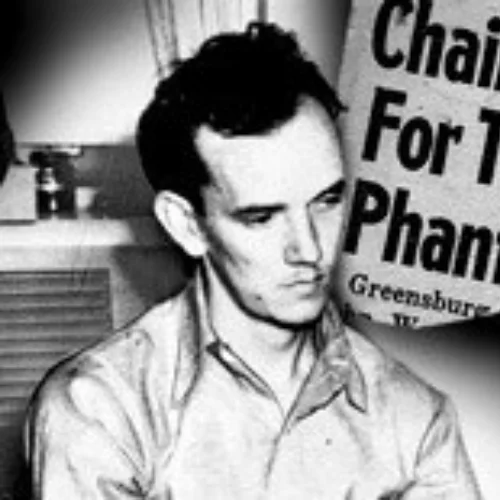
March 13, 1954John Wesley Wable was born in 1929. He grew up in Pennsylvania. Little is known about his early life. His family faced financial struggles. His father was an unemployed miner. John had a difficult time in school and did not graduate.
As a young adult, John took various jobs. He worked in factories but was eventually fired. By the time he was in his twenties, he was unemployed. He had trouble finding steady work.
In 1953, Wable's life took a significant turn. He faced legal issues for failing to return a rented car. This arrest occurred close to the Pennsylvania Turnpike, where a series of murders would later take place. After his arrest, his father paid off the claim related to the car. This incident did not lead to major violent crime, and Wable was released.
During this time, John began to speak to others about the murders of truck drivers, which took place nearby. His claims were seen as strange. Police later dismissed him as just someone seeking attention.
At the time of his arrest in October 1953, he was living in a rooming house in Cleveland. He had a girlfriend named Leora Crissey. She later voiced confusion about his sudden disappearance. Wable left behind an unpaid rent bill when he vanished, as well as a pistol that would later be tied to the murders.
John Wesley Wable's upbringing and early life gave little hint of the violence that would follow later. His path, marked by unemployment and legal troubles, led him toward a life of crime that would change many others' lives.
On July 26, 1953, truck driver Lester Woodward was found dead in his truck along the Pennsylvania Turnpike. He had been shot in the head while he slept. Just two days later, on July 28, another truck driver named Harry Pitts was killed under similar circumstances in a parking lot near the Donegal interchange on the turnpike. Both men were shot with a .32-caliber weapon.
On July 31, a third truck driver, John Shepperd, was also targeted. He survived but was shot in the jaw while sleeping in his truck in Ohio. The bullet that hit Shepperd matched the weapon used to kill Woodward and Pitts. Investigators noted a clear pattern where truckers were ambushed in their sleep.
Initially, the police had no suspects. There was a man who confessed to the shootings but was dismissed by the authorities as unreliable. On October 9, 1953, police in Cleveland announced that they had information about a suspect, 24-year-old John Wesley Wable. Wable had been arrested earlier in Uniontown for felonious assault but was released after he made a confession about the murders that was not taken seriously.
After a nationwide manhunt, Wable was apprehended on October 12, 1953, in Albuquerque. At first, he denied killing anyone but acknowledged possessing the murder weapon, claiming he sold it to someone else. However, authorities had collected statements from Wable that implied his guilt.
On November 14, 1953, he was formally indicted for the murders. The trial began on March 5, 1954. Wable maintained that he was innocent and claimed that a man named Jim Parks was responsible for the actual shootings. Despite the circumstantial evidence against him, the jury convicted him of first-degree murder.
Wable was sentenced to death, and he was executed by electrocution in Pennsylvania on September 26, 1954. His actions led to significant changes in how truck drivers chose to rest while on the road, shifting from secluded areas to more populated rest stops.
