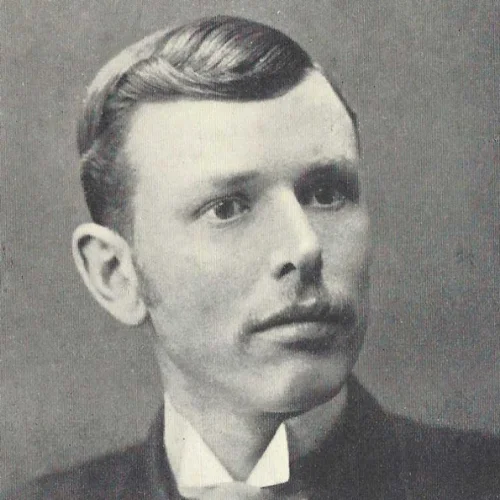
d: 1930
Summary
Name:
John Watson LaurieNickname:
John AnnandaleYears Active:
1889Status:
DeceasedClass:
MurdererVictims:
1Method:
BatteringDeath:
October 04, 1930Nationality:
Scotland / United Kingdomd: 1930
Summary: Murderer
Name:
John Watson LaurieNickname:
John AnnandaleStatus:
DeceasedVictims:
1Method:
BatteringNationality:
Scotland / United KingdomDeath:
October 04, 1930Years Active:
1889Date Convicted:
November 9, 1889“I robbed the man, but I did not murder him.”
— John Watson Laurie
John Watson Laurie was born in Coatbridge, Scotland, in 1864. He worked as a pattern-maker in Glasgow’s locomotive engineering industry and was employed at the Atlas Engineering Works in Springburn. By July 1889, Laurie was travelling around the Clyde coast, a popular holiday area for visitors from Scotland and England. He went to Port Bannatyne on the Isle of Bute and stayed at a guesthouse run by Mrs. Currie at Iona Place. During this trip, he used the name John Annandale instead of his real name. This alias later became important when police began investigating the disappearance of Edwin Robert Rose.
Laurie was later described as a young working man who cared about his appearance and dressed noticeably while on holiday. Some accounts say he carried cards with the name John Annandale printed on them. These details helped police trace his movements after Rose disappeared.
Before the Goatfell incident, Laurie was reportedly facing personal and financial problems. Some accounts say he had been rejected by a fiancée after a money-related scandal at his workplace, although this detail has not been fully verified. What is confirmed is that Laurie later wrote to a Glasgow newspaper while police were looking for him. In that letter, he mentioned a failed romantic relationship and suggested that he had gone to Rothesay because of it.
On July 12, 1889, Laurie boarded the steamer Ivanhoe from Rothesay toward Arran. Edwin Robert Rose, a 32-year-old clerk from London, was also travelling on the same steamer for a holiday. The two men did not know each other before the trip, but they became friendly during the journey. Laurie introduced himself to Rose as John Annandale.
After they arrived in Brodick on Arran, Laurie arranged lodgings with Mrs. Walker at Invercloy. He booked a room for a week and said a friend would be staying with him. Rose later shared the lodging with him. During the next two days, Laurie and Rose spent time walking and socializing with two other young men, Francis Mickel and William Thom.
On July 13 and July 14, the group went walking around Arran, including visits to Corrie and Glen Rosa. By July 15, the two other men had left the island, leaving Laurie and Rose together. That afternoon, Laurie and Rose climbed Goatfell, the highest mountain on Arran. Several witnesses saw them on the summit at about 6:20 p.m. Rose was never seen alive again.
On Monday, July 15, 1889, John Watson Laurie and Edwin Robert Rose went to climb Goatfell on the Isle of Arran. Goatfell was a popular place for holiday walkers, but parts of the mountain could be dangerous, especially during the descent. Laurie and Rose were seen together on the summit at about 6:20 p.m. Rose was never seen alive again.
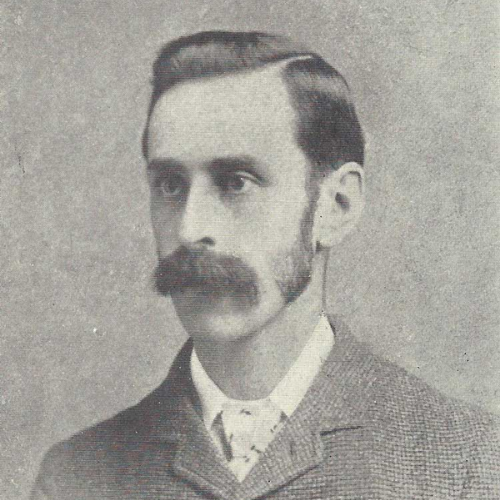
What happened after they reached the summit was never fully proven by eyewitnesses. Prosecutors later argued that Laurie killed Rose on the mountain and stole his belongings. Laurie admitted that he robbed Rose, but he denied murdering him. He claimed Rose died after falling on the mountain.
Later that night, Laurie came down from Goatfell alone. He was seen at the Corrie Hotel shortly before 10:00 p.m. The next morning, July 16, he left Arran by ferry and train. His landlady later found that both men had left their lodging without paying the bill. Witnesses also later connected Laurie to items that belonged to Rose, including a striped jacket.
Rose failed to return home from his holiday, which worried his family. His brother, Benjamin Rose, arrived in Brodick on July 27, 1889, to search for him. The next day, about 200 local men joined a search on Goatfell. Rose’s body was found hidden under rocks in Coire nam Fuaran, near Glen Sannox.
Rose’s body had serious injuries. His skull was badly broken, his upper spine was damaged, and several bones were broken. His pockets were empty. Items believed to belong to him were found nearby, including a stick, a torn waterproof coat, a knife, a button, a pencil, and a cap. Because the body had been hidden and Rose’s belongings were missing, the case became a murder investigation.
Laurie became the main suspect. Police learned that he had been using the false name John Annandale while travelling. After Rose’s body was found, Laurie left his Glasgow lodgings and gave up his job at the Atlas Locomotive Works in Springburn. He later travelled to Liverpool. Some items connected to Rose were reportedly found among Laurie’s belongings.
While police were looking for him, Laurie wrote to a Glasgow newspaper. In the letter, he denied killing Rose and said he was not afraid of being arrested. He also referred to personal problems involving a failed romantic relationship.
Laurie was arrested on September 3, 1889, near Ferniegair Station. A stationmaster noticed him acting suspiciously and contacted Constable Gordon. Laurie ran away when he realized he was being followed. Miners from a nearby colliery helped chase him, and he was eventually found hiding in Quarry Wood. He had a razor and had made a shallow cut to his throat.
After his arrest, Laurie admitted stealing from Rose but continued to deny murder. His main defense was that Rose had died from a fall and that he had only taken his belongings afterward. He later said, “I robbed the man, but I did not murder him.”
Laurie was tried at the High Court of Justiciary in Edinburgh in November 1889. The official trial record named Edwin Robert Rose as the victim and recorded Laurie’s charge as murder near Glen Sannox on the Isle of Arran. The trial lasted two days. Prosecutors argued that Laurie had killed Rose and then taken his possessions. The defense argued that there was no eyewitness, no confirmed murder weapon, no blood found on Laurie’s clothing, and that Rose’s injuries could have been caused by a fall.
Despite these issues, the jury found Laurie guilty of murder on November 9, 1889. He was sentenced to death by hanging, with the execution set for November 30, 1889. After the sentence was passed, Laurie continued to say he was innocent of murder.
Laurie’s death sentence was later commuted to life imprisonment. Reports state that the close jury decision and public petitions helped lead to the reprieve. He spent the rest of his life in custody.
Some later summaries say Laurie was moved to Perth Criminal Asylum in 1893 after a short escape from Peterhead Prison, but this detail has not been fully verified. Other reports state that he spent many years at Peterhead Prison before being moved to Perth Prison around 1910. In his later years, he was held in the prison’s lunatic department.
John Watson Laurie died in Perth Prison on October 4, 1930. He had spent about 41 years in custody after his conviction. Later accounts describe him as one of the longest-serving prisoners in Scottish history.
The Goatfell case remains known because Laurie was convicted without any eyewitness to the killing. There was also debate over whether Rose was murdered or died after a fall. Legally, however, Laurie was convicted of murder, sentenced to death, reprieved, imprisoned for life, and died while still in custody.
