d: 1932
Summary
Name:
John S. WilliamsYears Active:
1910 - 1921Status:
DeceasedClass:
MurdererVictims:
2+Method:
Shooting / BeatingDeath:
January 26, 1932Nationality:
USAd: 1932
Summary: Murderer
Name:
John S. WilliamsStatus:
DeceasedVictims:
2+Method:
Shooting / BeatingNationality:
USADeath:
January 26, 1932Years Active:
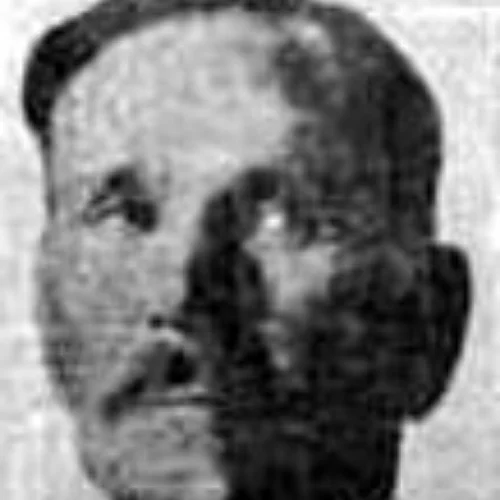
1910 - 1921John S. Williams was born in 1863. Not much is known about his early life. He lived during a time when the United States was changing after the Civil War. The war ended slavery, but new forms of labor systems, like peonage, emerged in the South. Peonage involved keeping workers in a state of enforced servitude until they paid off debts that were often impossible to clear.
As a young man, Williams grew up in Jasper County, Georgia. This area was heavily influenced by the agricultural economy and social norms of the South. He became a farmer and eventually owned a large plantation. By the time he was 54 years old, he was operating a plantation that covered 2,000 acres.
Williams had 12 children and ran his plantation with the help of three of his adult sons. They employed black workers through the peonage system. The workers lived and labored in harsh conditions. They received little to no pay, and many men never managed to pay off their debts to Williams.
Reports suggest that Williams operated his farm with a strict and often cruel management style. Workers were expected to meet high demands. If they fell short, they faced severe punishments. These practices were a product of the social order in the South, where many white landowners held power and influence over their black workers.
In the years leading up to 1921, many stories of abuse circulated about conditions at Williams's plantation. These accounts of mistreatment would later play a significant role in his life and trials. Williams's life as a farmer and a father was intertwined with the complex and troubling history of labor and race relations in the South.
John S. Williams was a farmer in Jasper County, Georgia, who enslaved black men to work on his plantation. Between 1910 and 1921, he was involved in a series of murders of those who tried to escape or caused him trouble. Some of the conditions for the farmworkers were dire. They were often beaten for minor faults, faced severe punishments, and lived in cramped quarters with little freedom.
In November 1920, a worker named Gus Chapman managed to escape the plantation and reported the conditions to the authorities. This triggered an investigation by federal agents in February 1921. During their visit, they spoke to the workers, but many were too frightened to speak out. One worker named Clyde Manning lied to the agents about past escape attempts, raising suspicions about him and the plantation.
Realizing that he might be held responsible for the crimes, Williams decided to eliminate the remaining evidence against him. He planned the murders of the black men on the farm, convincing Manning to assist him. Both Williams and Manning were later indicted for three counts of murder. They were tried separately to give them chances of acquittal.
Williams's trial began in April 1921 and drew significant attention. It was known as "Georgia's greatest murder trial." His attorneys argued that they had insufficient time to prepare. Despite their defense, the jury found Williams guilty. He was sentenced to life imprisonment based on the recommendation from the jury.
Manning's trial happened in May 1921. This case was notable as Manning’s defenders worked to prove his innocence. The prosecution had labeled him a danger, stating he committed the murders to avoid blame. Ultimately, the jury also found Manning guilty, but he was sentenced to life in prison rather than death.
Manning died of tuberculosis in 1927, and Williams was killed in an accident in prison in 1932. Their cases led to increased awareness of peonage and helped to trigger actions against this form of labor exploitation in the South.
